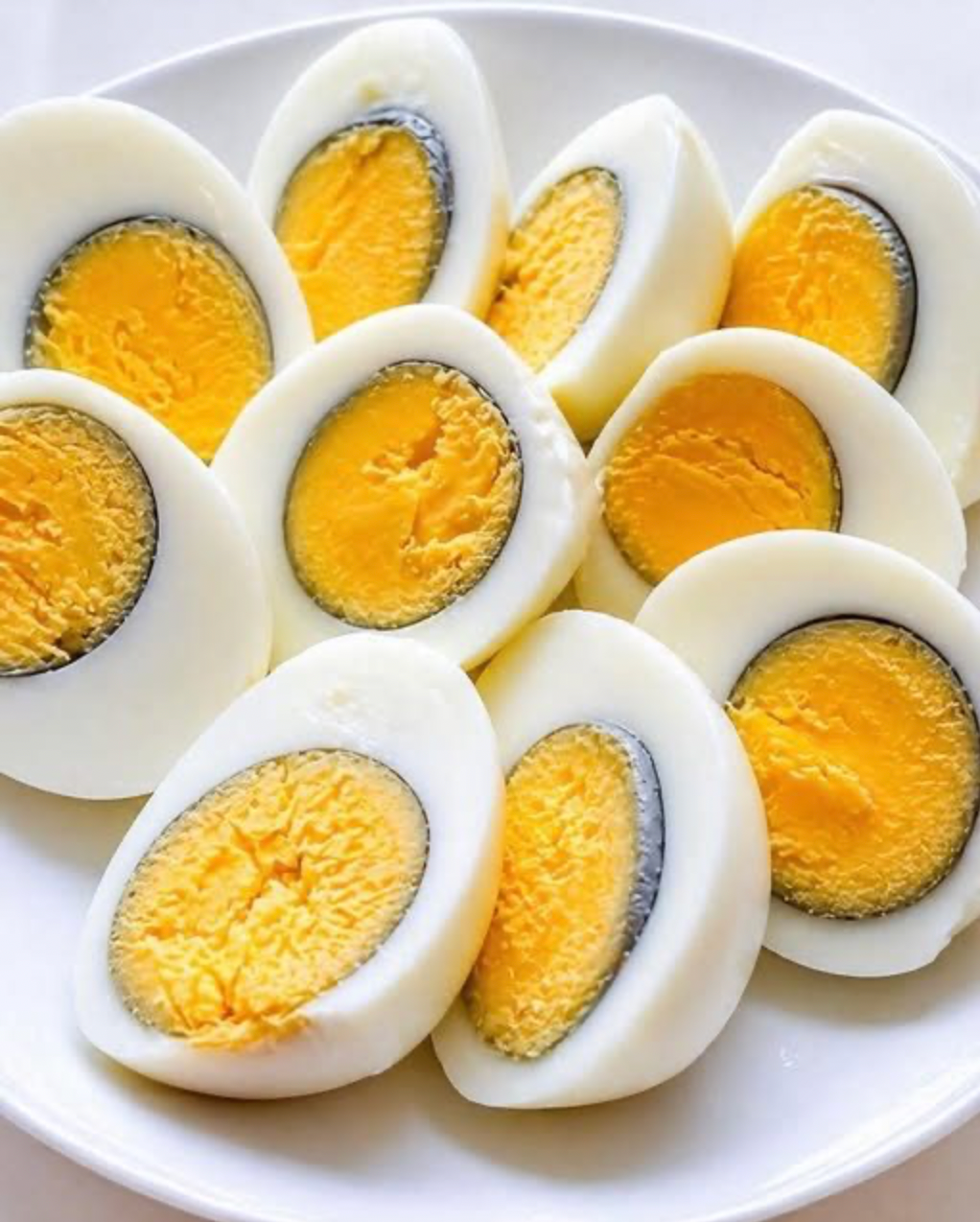
It’s a small detail that many people notice but don’t fully understand. You boil an egg, slice it open, and there it is—a faint green or grayish ring forming around the yolk. For some, it raises immediate concern. Is the egg spoiled? Overcooked? Unsafe to eat?
The truth is far less alarming—and actually quite interesting.
This green ring is not a sign of danger, but rather a simple chemical reaction that occurs during cooking. Understanding why it happens not only removes unnecessary worry but also helps you cook better eggs with the texture and appearance you prefer.
What Causes the Green Ring?
The green (or gray-green) ring around a boiled egg yolk is the result of a natural chemical reaction between two elements found in eggs:
- Sulfur (present in the egg white)
- Iron (present in the yolk)
When eggs are cooked, especially at high temperatures or for too long, sulfur from the white reacts with iron in the yolk. This forms a compound called iron sulfide, which appears as that greenish ring.
When Does This Reaction Happen?
This reaction typically occurs when eggs are:
- Overcooked (boiled too long)
- Cooked at very high temperatures
- Left in hot water for too long after cooking
The longer and hotter the cooking process, the more likely the reaction is to occur.
Is It Safe to Eat?
Yes—completely safe.
Despite its unusual appearance, the green ring does not indicate spoilage or contamination. The egg remains edible and retains most of its nutritional value.
However, the texture and taste may be slightly affected:
- The yolk can become dry and crumbly
- The flavor may develop a mild sulfuric note
So while it is safe, it may not be the most enjoyable version of a boiled egg.
What Doctors and Nutrition Experts Say
Health professionals agree on a few key points:
- The green ring is not harmful
- It is purely a cosmetic and texture issue
- It does not significantly reduce the egg’s nutritional value
In other words, it may not look ideal, but it is still perfectly fine to eat.
How to Prevent the Green Ring
If you want perfectly yellow yolks without the green edge, controlling the cooking process is essential.
1. Use the Right Cooking Time
Avoid boiling eggs for too long. For hard-boiled eggs:
- 9–12 minutes is usually sufficient, depending on size
2. Avoid High Heat for Too Long
Instead of aggressively boiling eggs, try a gentler method:
- Bring water to a boil, then reduce heat to a simmer
3. Cool Eggs Quickly
Once cooking is done, transfer eggs immediately into cold or ice water.
This stops the cooking process and prevents the chemical reaction from continuing.
4. Don’t Let Eggs Sit in Hot Water
Leaving eggs in hot water after turning off the heat can continue cooking them, increasing the chance of the green ring forming.
Perfect Hard-Boiled Egg Method (No Green Ring)
- Place eggs in a pot and cover with cold water
- Bring to a gentle boil
- Once boiling, reduce heat and simmer for 9–10 minutes
- Transfer immediately to ice water
- Let cool before peeling
This method helps maintain:
- Bright yellow yolks
- Smooth, tender texture
- Clean, appealing appearance
Does Egg Freshness Matter?
Freshness does not directly cause the green ring, but it can affect overall quality.
- Fresher eggs may be harder to peel
- Older eggs peel more easily
- Both can develop the green ring if overcooked
The key factor is cooking method, not egg age.
Other Common Egg Myths
“Green yolk means the egg is bad”
False. The green ring is a result of cooking, not spoilage.
“You must throw it away”
False. The egg is still safe to eat.
“It means too much sulfur in the egg”
Not exactly. All eggs contain sulfur—the reaction depends on heat and time.
Nutritional Impact
Even with the green ring, eggs still provide:
- High-quality protein
- Essential vitamins like B12 and D
- Healthy fats
- Important minerals such as iron and selenium
The main difference is in texture and taste—not nutritional value.
Welcome to my kitchen!
I’m a passionate home cook and recipe creator who loves turning simple ingredients into delicious, comforting meals that everyone can enjoy. Through this website, I share carefully prepared recipes, practical cooking tips, and easy-to-understand food education to help you feel more confident in the kitchen.
My goal is to make cooking simple, enjoyable, and accessible. Whether you are looking for a quick family dinner, a delicious dessert, healthy meal ideas, or traditional recipes with a modern touch, you’ll find inspiration here.
More Than Just Recipes
I believe that cooking is also a way to learn. That’s why this website is not only about recipes. I also create educational articles about ingredients, cooking techniques, kitchen tips, food preparation, and the stories behind different dishes.
Each article is designed to give you useful knowledge that you can apply in your own kitchen. From understanding how ingredients work together to learning better cooking methods, my aim is to help you become a more confident and creative cook.
My Philosophy
Good food doesn’t always require complicated ingredients or professional equipment. With a little knowledge, patience, and creativity, simple ingredients can become something truly special.
I believe in sharing recipes that are practical, clearly explained, and enjoyable to make. I also love exploring new flavors while appreciating traditional cooking and the recipes passed down through generations.
Thank you for visiting my kitchen and being part of this food-loving community. I hope my recipes and articles inspire you to cook, learn, experiment, and most importantly, enjoy every bite!
Happy cooking!