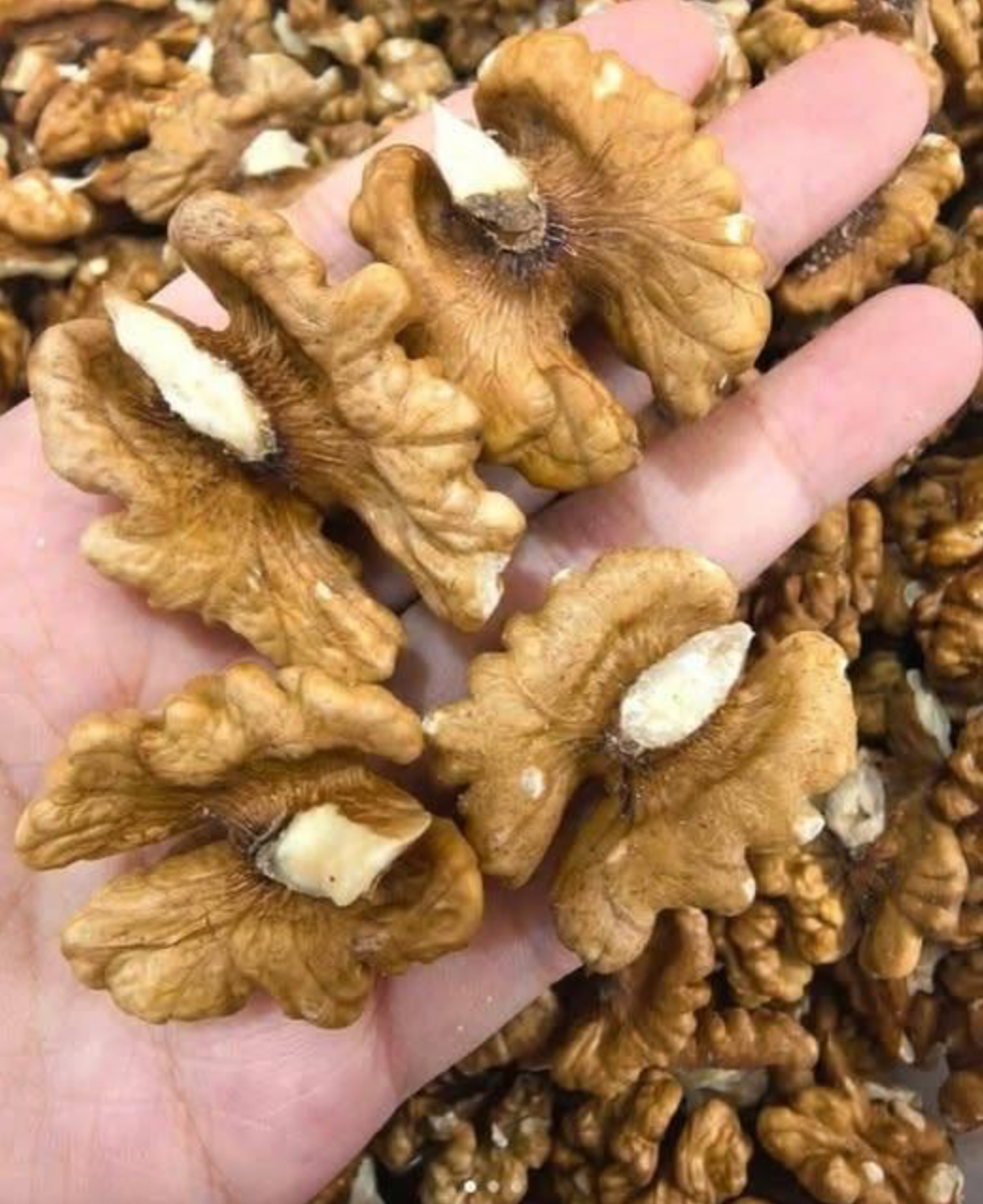
Walnuts are often described as one of the most nutrient-dense foods you can add to your diet. At first glance, they may seem like just another nut—small, slightly bitter, and easy to overlook. But behind their simple appearance lies a powerful combination of healthy fats, antioxidants, vitamins, and minerals that can influence your body in meaningful ways.
When doctors and nutrition experts talk about walnuts, they are not referring to a miracle food that solves everything overnight. Instead, they highlight something more realistic and valuable: consistent, measurable health benefits when walnuts are eaten regularly and in moderation.
This article explores what actually happens in your body when you eat walnuts, separating fact from exaggeration.
What Makes Walnuts Unique?
Walnuts stand out among nuts because of their nutritional profile.
They are especially rich in:
- Omega-3 fatty acids (ALA) – rare in plant foods
- Antioxidants – particularly polyphenols
- Healthy fats – mostly unsaturated
- Fiber – supports digestion
- Protein – helps with satiety
- Magnesium, copper, and vitamin E
Their composition makes them more than just a snack—they are a functional food that supports multiple systems in the body.
1. Heart Health Support
One of the most widely studied benefits of walnuts is their effect on cardiovascular health.
Regular consumption has been associated with:
- Lower levels of LDL (bad) cholesterol
- Improved blood vessel function
- Reduced inflammation in arteries
The omega-3 fatty acids in walnuts help maintain flexibility in blood vessels and support overall circulation.
What doctors say:
Walnuts can be part of a heart-healthy diet, especially when replacing less healthy fats.
2. Brain Function and Cognitive Support
Walnuts are often linked to brain health—not just because of their shape, but because of their nutrient content.
They contain:
- Omega-3 fatty acids that support brain cell structure
- Antioxidants that protect against oxidative stress
- Compounds that may help reduce inflammation in the brain
Some studies suggest that regular walnut consumption may support memory and cognitive performance over time.
Important note:
They support brain health, but they do not act as a quick “brain booster” overnight.
3. Anti-Inflammatory Effects
Chronic inflammation is linked to many health issues, including joint pain, heart disease, and metabolic disorders.
Walnuts contain natural compounds that may help:
- Reduce inflammatory markers
- Support immune balance
- Protect cells from damage
This makes them valuable as part of a long-term healthy diet.
4. Digestive Health and Gut Support
Walnuts also contribute to gut health.
Their fiber and natural compounds can:
- Support beneficial gut bacteria
- Improve digestion
- Promote a healthier gut environment
A balanced gut microbiome plays a key role in overall health, including immunity and even mood.
5. Weight Management (When Eaten Properly)
Although walnuts are calorie-dense, they can actually support weight management when consumed in moderation.
They help:
- Increase feelings of fullness
- Reduce overeating
- Provide sustained energy
Because they are satisfying, they may reduce the need for less healthy snacks.
6. Blood Sugar Control
Walnuts have a low glycemic impact and may help stabilize blood sugar levels.
They can:
- Slow digestion due to fat and fiber content
- Reduce spikes in blood glucose
- Improve insulin response in some cases
This makes them a smart snack option for people monitoring their blood sugar.
7. Skin and Aging Support
The antioxidants and healthy fats in walnuts contribute to skin health by:
- Protecting against oxidative damage
- Supporting skin elasticity
- Helping maintain hydration
While they are not a cosmetic solution, they support skin health from within.
How Much Should You Eat?
Moderation is key.
Most experts recommend:
- About 28–30 grams per day (a small handful)
This amount provides benefits without excessive calorie intake.
Potential Risks and Considerations
While walnuts are healthy, they are not suitable for everyone in all situations.
1. High Calorie Content
Eating large quantities can lead to excess calorie intake and weight gain.
2. Allergies
Tree nut allergies can be serious. Anyone with known allergies should avoid walnuts completely.
3. Digestive Sensitivity
Some people may experience bloating or discomfort if they eat too many at once.
4. Medication Interactions
Because of their effect on blood vessels and nutrients, people on certain medications should consult a healthcare professional.
Best Ways to Eat Walnuts
Walnuts are versatile and easy to include in daily meals:
- Eat them raw as a snack
- Add to oatmeal or yogurt
- Mix into salads for crunch
- Blend into smoothies
- Use in baking or cooking
To improve taste and texture, you can lightly toast them—but avoid burning, as this can reduce nutritional quality.
Common Myths About Walnuts
“They cure diseases”
No single food can cure diseases. Walnuts support health but are not a medical treatment.
“More is better”
Excess intake can lead to unwanted effects. Balance is essential.
“They work instantly”
Benefits come from consistent, long-term consumption, not one-time use.

Welcome to my kitchen!
I’m a passionate home cook and recipe creator who loves turning simple ingredients into delicious, comforting meals that everyone can enjoy. Through this website, I share carefully prepared recipes, practical cooking tips, and easy-to-understand food education to help you feel more confident in the kitchen.
My goal is to make cooking simple, enjoyable, and accessible. Whether you are looking for a quick family dinner, a delicious dessert, healthy meal ideas, or traditional recipes with a modern touch, you’ll find inspiration here.
More Than Just Recipes
I believe that cooking is also a way to learn. That’s why this website is not only about recipes. I also create educational articles about ingredients, cooking techniques, kitchen tips, food preparation, and the stories behind different dishes.
Each article is designed to give you useful knowledge that you can apply in your own kitchen. From understanding how ingredients work together to learning better cooking methods, my aim is to help you become a more confident and creative cook.
My Philosophy
Good food doesn’t always require complicated ingredients or professional equipment. With a little knowledge, patience, and creativity, simple ingredients can become something truly special.
I believe in sharing recipes that are practical, clearly explained, and enjoyable to make. I also love exploring new flavors while appreciating traditional cooking and the recipes passed down through generations.
Thank you for visiting my kitchen and being part of this food-loving community. I hope my recipes and articles inspire you to cook, learn, experiment, and most importantly, enjoy every bite!
Happy cooking!