A Complete Guide to Causes, Symptoms, Removal, and Prevention
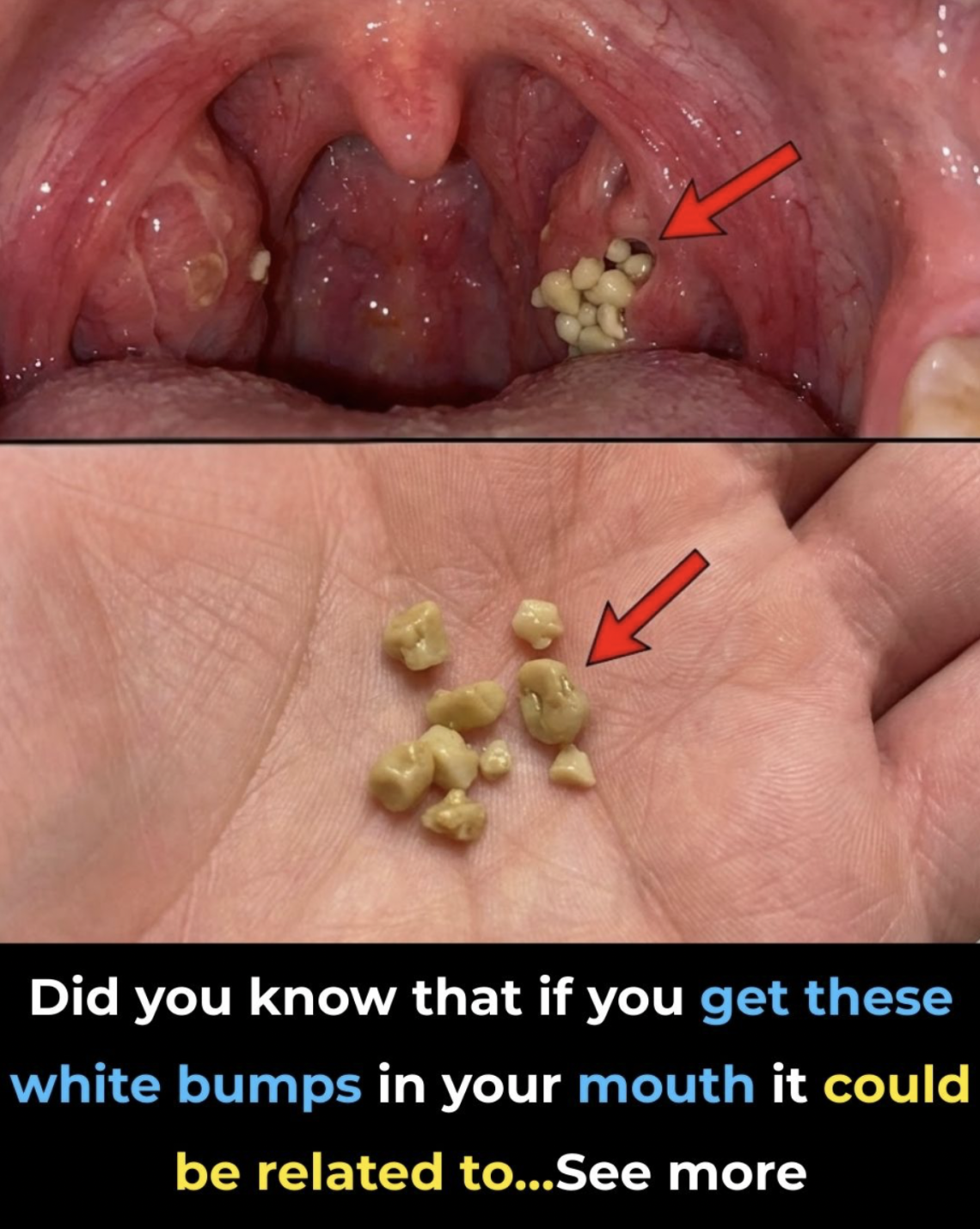
They’re small, often hidden, and easy to overlook—yet for many people, they become a persistent source of discomfort and embarrassment. tonsil stones, also known medically as tonsilloliths, are tiny calcified formations that develop in the crevices of the tonsils.
While usually harmless, they can cause noticeable symptoms such as bad breath, throat irritation, and a constant feeling that something is stuck at the back of the throat.
Despite how common they are, tonsil stones remain poorly understood by many. This guide explores what they are, why they form, and what you can do about them—both at home and with medical support.
What Are Tonsil Stones?
Tonsils are part of your immune system. Located at the back of the throat, they help trap bacteria, viruses, and debris entering through the mouth.
The surface of the tonsils is not smooth—it contains small pockets and folds called crypts.
Tonsil stones form when:
- Food particles
- Dead cells
- Mucus
- Bacteria
get trapped in these crypts and begin to accumulate.
Over time:
- This material hardens
- Minerals like calcium deposit
- Small, whitish or yellowish lumps develop
These are tonsil stones.
Why Do Tonsil Stones Form?
Not everyone gets tonsil stones, and some people are more prone than others.
1. Deep Tonsil Crypts
Some individuals naturally have deeper or more irregular tonsil surfaces, making it easier for debris to become trapped.
2. Poor Oral Hygiene
When bacteria and food particles are not effectively removed:
- More debris reaches the tonsils
- The chance of buildup increases
3. Chronic Throat Conditions
Frequent throat infections, such as chronic tonsillitis, can enlarge tonsil crypts and increase susceptibility.
4. Post-Nasal Drip
Excess mucus flowing from the nasal passages into the throat can contribute to the material that forms stones.
5. Dry Mouth
Reduced saliva allows bacteria to grow more easily, increasing the likelihood of buildup.
Common Symptoms of Tonsil Stones
Tonsil stones vary in size. Some are so small they go unnoticed, while others can cause significant discomfort.
1. Persistent Bad Breath
This is the most common symptom.
Bacteria in tonsil stones produce sulfur compounds, leading to a strong, unpleasant odor.
2. Feeling of Something Stuck in the Throat
Many people describe a sensation of:
- A lump
- Irritation
- Something lodged in the throat
3. Sore or Irritated Throat
Tonsil stones can cause mild inflammation or discomfort.
4. Difficulty Swallowing
Larger stones may interfere slightly with swallowing.
5. Ear Pain
Due to shared nerve pathways, throat irritation can sometimes be felt as ear discomfort.
6. Visible White or Yellow Lumps
In some cases, stones can be seen in the tonsils.
Are Tonsil Stones Dangerous?
In most cases, tonsil stones are not dangerous.
However, they can:
- Affect quality of life
- Cause embarrassment due to bad breath
- Lead to recurring discomfort
Rarely, very large stones may require medical attention.
How Tonsil Stones Affect Oral Health
Tonsil stones are closely linked to oral bacteria.
They can:
- Contribute to chronic bad breath
- Indicate imbalance in oral hygiene
- Serve as a reservoir for bacteria
While not a direct cause of serious disease, they reflect underlying conditions in the mouth and throat.
How to Remove Tonsil Stones
There are several ways to remove tonsil stones, depending on their size and location.
1. Gargling with Salt Water
A simple and effective method:
- Helps loosen stones
- Reduces bacteria
- Soothes the throat
2. Gentle Manual Removal
Using a cotton swab or clean finger, stones can sometimes be gently pushed out.
Important:
- Be very careful
- Avoid causing injury or bleeding
3. Oral Irrigators
Low-pressure water devices can help flush out debris.
4. Coughing or Clearing the Throat
Sometimes stones dislodge naturally.
5. Medical Removal
For persistent or large stones, a doctor can remove them safely.
When to See a Doctor
Seek medical advice if:
- Stones are large or painful
- Symptoms persist despite home care
- You experience frequent recurrence
- There is significant difficulty swallowing
In rare cases, surgical options may be considered.
Preventing Tonsil Stones
Prevention focuses on reducing the buildup of debris and bacteria.
1. Maintain Good Oral Hygiene
- Brush teeth regularly
- Clean the tongue
- Use mouthwash
2. Stay Hydrated
Adequate saliva helps:
- Wash away debris
- Control bacterial growth
3. Manage Post-Nasal Drip
Treat underlying sinus or allergy issues if present.
4. Gargle Regularly
Saltwater gargling helps keep the throat clean.
5. Reduce Bacterial Growth
Avoid habits that increase bacteria, such as:
- Smoking
- Poor diet
Long-Term Outlook
For many people, tonsil stones are a recurring but manageable issue.
With proper care:
- Frequency can be reduced
- Symptoms can be controlled
- Quality of life improves
In persistent cases, medical solutions can provide relief.
The Psychological and Social Impact
Although physically minor, tonsil stones can have a noticeable social impact.
Bad breath, in particular, may affect:
- Confidence
- Social interactions
- Self-esteem
Understanding the condition helps reduce anxiety and encourages proactive management.

Welcome to my kitchen!
I’m a passionate home cook and recipe creator who loves turning simple ingredients into delicious, comforting meals that everyone can enjoy. Through this website, I share carefully prepared recipes, practical cooking tips, and easy-to-understand food education to help you feel more confident in the kitchen.
My goal is to make cooking simple, enjoyable, and accessible. Whether you are looking for a quick family dinner, a delicious dessert, healthy meal ideas, or traditional recipes with a modern touch, you’ll find inspiration here.
More Than Just Recipes
I believe that cooking is also a way to learn. That’s why this website is not only about recipes. I also create educational articles about ingredients, cooking techniques, kitchen tips, food preparation, and the stories behind different dishes.
Each article is designed to give you useful knowledge that you can apply in your own kitchen. From understanding how ingredients work together to learning better cooking methods, my aim is to help you become a more confident and creative cook.
My Philosophy
Good food doesn’t always require complicated ingredients or professional equipment. With a little knowledge, patience, and creativity, simple ingredients can become something truly special.
I believe in sharing recipes that are practical, clearly explained, and enjoyable to make. I also love exploring new flavors while appreciating traditional cooking and the recipes passed down through generations.
Thank you for visiting my kitchen and being part of this food-loving community. I hope my recipes and articles inspire you to cook, learn, experiment, and most importantly, enjoy every bite!
Happy cooking!