An Expanded, In-Depth Guide to a Timeless, Comforting Dessert
There are desserts that impress with layers, decorations, and complexity—and then there are those that quietly become unforgettable because of how they make you feel. Classic Vanilla Butter Cake with Buttermilk Sauce belongs firmly in that second category. It is not about visual drama or modern trends. It is about warmth, balance, and the kind of deep, satisfying flavor that lingers long after the last bite.
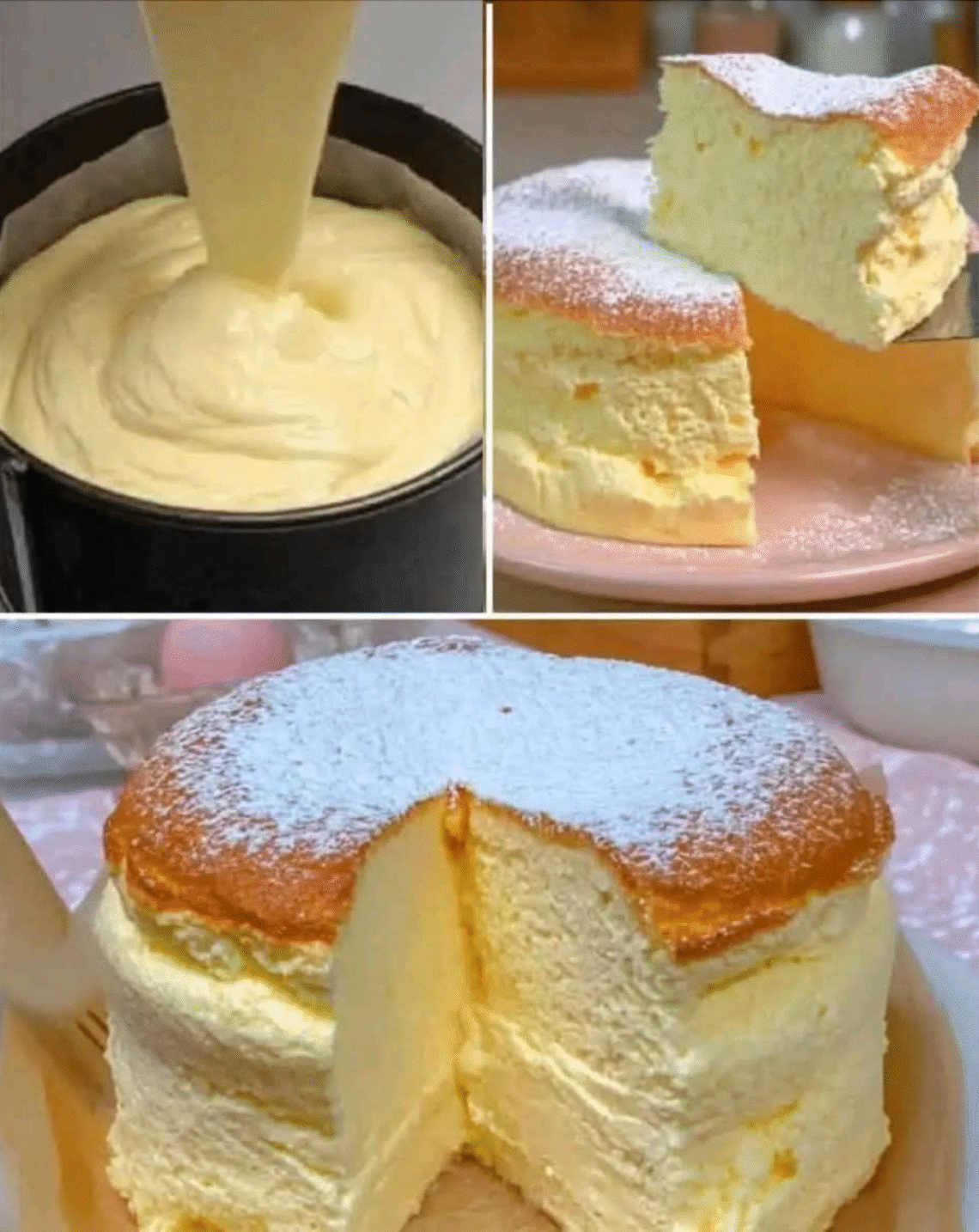
This dessert has roots in traditional home kitchens where ingredients were simple, techniques were practical, and every recipe had a purpose: to nourish, to comfort, and to bring people together. What makes this cake so special is not just its taste, but its transformation. A simple butter cake becomes something entirely different once the warm buttermilk sauce is poured over it. The cake absorbs the sauce, softens, and develops a texture that is somewhere between a classic cake and a delicate pudding.
This expanded guide will take you far beyond the basics. You will understand not only how to make this dessert, but why each step matters, how to perfect the texture, and how to adapt it to your own taste.
The Philosophy Behind This Cake
At its core, this dessert is built on a simple idea:
A well-made base can be elevated through thoughtful finishing.
Instead of relying on frosting or decoration, this cake depends on absorption. The sauce becomes part of the cake itself, not something that sits on top. This creates a unified dessert where every bite carries the same richness, moisture, and flavor.
It also reflects a deeper cooking principle:
- Simplicity does not mean lack of sophistication
- Fewer ingredients can still create complex results
- Technique is more important than quantity
Understanding the Two Components in Depth
1. The Vanilla Butter Cake Base
This is not just any cake. It is specifically designed to:
- Hold structure while still being soft
- Absorb liquid without collapsing
- Deliver a rich but neutral flavor
Texture Goals
The cake should be:
- Fine-crumbed (not coarse or crumbly)
- Moist but not wet before the sauce
- Strong enough to hold its shape after soaking
Flavor Profile
- Buttery and warm
- Lightly sweet
- Enhanced by vanilla
The cake acts as a canvas. Its job is to carry the sauce, not overpower it.
2. The Buttermilk Sauce
The sauce is where the transformation happens.
Texture Goals
- Smooth and pourable
- Slightly thick but still fluid
- Capable of soaking into the cake evenly
Flavor Balance
- Sweet, but not cloying
- Slight tang from buttermilk
- Richness from butter
The tanginess is critical—it prevents the dessert from becoming too heavy or overly sweet.
Ingredient Breakdown with Deeper Insight
Butter: The Backbone of Flavor
Butter is not just fat—it is flavor, aroma, and texture.
What It Does
- Adds richness
- Creates tenderness
- Helps with aeration when creamed
Important Detail
Properly softened butter is essential. If it is too cold, it will not cream well. If it is too soft, it will not hold air.
Sugar: More Than Sweetness
Sugar plays multiple roles:
- Sweetens the cake
- Helps create a tender crumb
- Aids in browning
When creamed with butter, sugar creates tiny air pockets that expand during baking.
Eggs: Structure and Stability
Eggs provide:
- Binding
- Moisture
- Strength
They help the cake maintain its shape even after absorbing sauce.
Flour: The Structural Framework
Flour determines the final texture.
- Too much = dense cake
- Too little = weak structure
The goal is balance—enough strength to hold the sauce, but not so much that the cake becomes heavy.
Buttermilk: The Hidden Hero
Buttermilk is essential for both flavor and chemistry.
In the Cake
- Adds moisture
- Creates tenderness
In the Sauce
- Adds tang
- Balances richness
Its slight acidity enhances the overall flavor profile.
Vanilla: The Aromatic Layer
Vanilla is subtle but important.
- Enhances sweetness
- Adds warmth
- Completes the flavor profile
The Technique: Where Everything Comes Together
Creaming Butter and Sugar
This step is often underestimated.
What Happens
- Air is incorporated into the batter
- Structure is built before baking even begins
Result
- Lighter, softer cake
Skipping or rushing this step leads to a dense result.
Gentle Mixing
Once flour is added, mixing must be controlled.
Why
Overmixing develops gluten, which leads to:
- Tough texture
- Reduced tenderness
The goal is a smooth batter—not a heavily worked one.
Baking with Precision
The baking stage determines:
- Structure
- Moisture level
- Ability to absorb sauce
Signs of Proper Baking
- Golden top
- Set center
- Slight spring when touched
The Critical Transformation: Adding the Sauce
Timing Is Everything
The cake must be:
- Warm
- Fresh from the oven or slightly cooled
The sauce must also be:
- Warm
- Fluid
Why Temperature Matters
Warm cake absorbs liquid more effectively because:
- The crumb is still open
- Steam has not fully escaped
How to Apply the Sauce
- Pour slowly and evenly
- Allow time for absorption
- Repeat if necessary
Optional technique:
- Lightly poke the cake to help absorption
The Final Texture: What You Should Achieve
Before Sauce
- Soft
- Light
- Structured
After Sauce
- Moist throughout
- Slightly dense but tender
- Almost creamy inside
The transformation is what makes this dessert unique.
Flavor Experience in Every Bite
A perfect slice delivers:
- Buttery richness
- Gentle sweetness
- Subtle tang
- Warm vanilla notes
The flavors are not loud—they are balanced and comforting.
Advanced Tips for Perfection
Control the Sauce Quantity
Too little:
- Cake stays dry
Too much:
- Cake becomes soggy
Balance is key.
Let the Cake Rest
After adding sauce:
- Allow time for full absorption
- Flavor improves as it settles
Use Quality Ingredients
Because the recipe is simple:
- Every ingredient matters
Variations to Explore
Brown Sugar Version
- Adds caramel depth
Coconut Addition
- Adds texture and richness
Citrus Twist
- Lemon or orange zest brightens flavor
Nutty Variation
- Adds crunch and contrast
Serving the Cake
Best Temperature
- Warm or slightly cooled
Optional Additions
- Vanilla ice cream
- Light cream
- Extra sauce
Presentation Style
- Simple slices
- Sauce spooned over the top
No elaborate decoration needed.
Storage and Longevity
Short-Term
- Keep covered at room temperature
Longer Storage
- Refrigerate
- Reheat gently before serving
Freezing
- Possible, but best enjoyed fresh
Common Mistakes and How to Avoid Them
Overbaking
- Leads to dryness
- Reduces absorption
Pouring Cold Sauce
- Limits penetration
- Creates uneven texture
Rushing the Process
- Affects texture and flavor
The Emotional and Cultural Value
This cake represents a style of cooking that prioritizes:
- Comfort
- Simplicity
- Sharing
It is the kind of dessert that:
- Feels homemade
- Brings people together
- Creates lasting memories