A Deep Dive Into the Simple Method That Keeps Floors Clean Longer
Cleaning floors often feels like a cycle you can’t escape. You sweep, mop, admire the shine—and within a day or two, dust returns, footprints appear, and the freshness fades. It’s frustrating, time-consuming, and sometimes feels pointless.
That’s why simple “floor hacks” spread so quickly. Most sound too good to be true. Some are. But a few are grounded in real principles—understanding how dirt behaves, how cleaning solutions interact with surfaces, and how residue affects long-term cleanliness.
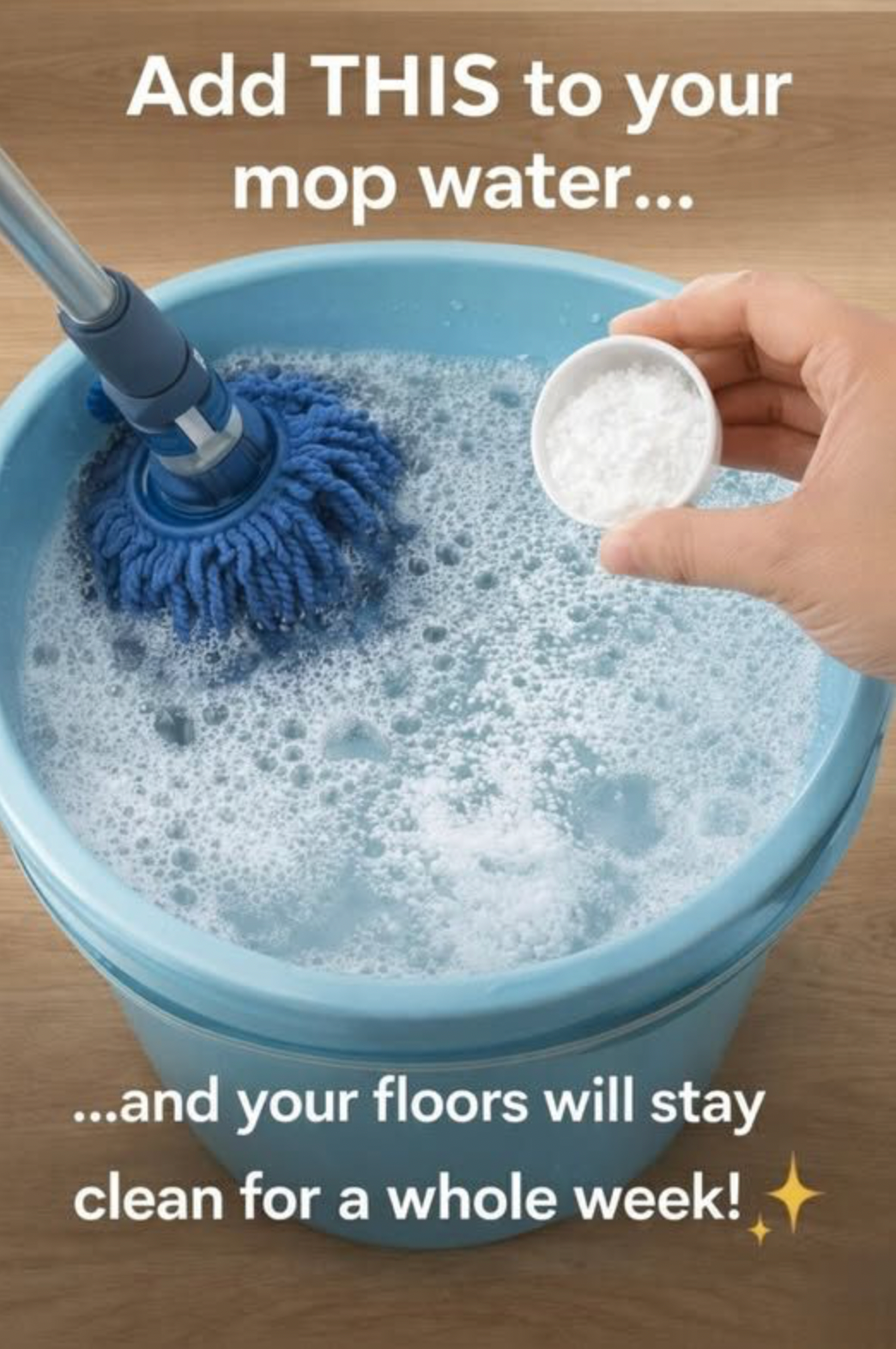
One such method—often based on minimal ingredients like baking soda, warm water, and controlled mopping technique—can genuinely change how your floors look and stay clean over time.
This guide goes deep into what this “trick” actually is, why it works, how to do it properly, and what most people get wrong.
The Real Problem: Why Floors Get Dirty So Fast
Before understanding the solution, you need to understand the problem.
1. Residue Build-Up
Many commercial cleaners:
- Leave behind a thin film
- Attract dust and dirt
- Make floors look dull faster
2. Over-Wetting
Too much water:
- Spreads dirt instead of removing it
- Leaves streaks
- Can damage certain surfaces
3. Dirty Mop Water
If you’re using the same water:
- You’re redistributing dirt
- Not actually cleaning
The “Simple Trick” Explained
At its core, this method is based on:
- Using a mild, non-residue cleaner (like baking soda)
- Controlling moisture
- Cleaning in stages instead of all at once
It’s not magic—it’s technique.
Why Baking Soda Works
Baking soda is often used in cleaning for a reason.
Key Properties
- Mildly abrasive (removes dirt without scratching)
- Neutralizes odors
- Breaks down grease and grime
- Leaves minimal residue
Result
- Cleaner surface
- Less dirt attraction afterward
The Method: Step-by-Step
Step 1: Dry Cleaning First (Critical)
Before mopping:
- Sweep or vacuum thoroughly
Why
- Removes loose dirt
- Prevents mud-like spreading during mopping
Step 2: Prepare the Cleaning Solution
- Warm water
- Small amount of baking soda
Important
- Do not overuse baking soda
- A little is enough
Step 3: Use a Damp Mop (Not Wet)
This is where most people go wrong.
Correct Approach
- Dip mop
- Wring it out well
Goal
- Slightly damp, not dripping
Step 4: Clean in Sections
- Work in small areas
- Rinse mop frequently
Why
- Prevents spreading dirt
- Keeps water clean
Step 5: Optional Second Pass
For best results:
- Go over the floor again with clean water
Effect
- Removes any remaining residue
- Enhances shine
What Happens After You Use This Method
1. Less Residue
Without sticky cleaner buildup:
- Dust has less to cling to
2. Cleaner Surface
- Dirt is removed instead of redistributed
3. Longer-Lasting Freshness
Floors stay clean longer because:
- There’s no film attracting dirt
Why It Feels Like It “Lasts a Week”
The effect isn’t that dirt disappears—it’s that:
- You removed what causes rapid re-soiling
- You reduced residue buildup
So floors:
- Look cleaner longer
- Feel smoother underfoot
Surfaces Where This Works Best
Suitable Floors
- Tile
- Vinyl
- Sealed wood
- Laminate
Surfaces to Be Careful With
- Unsealed wood
- Natural stone
These may require specialized care.
Common Mistakes That Ruin Results
1. Using Too Much Baking Soda
- Can leave powdery residue
2. Skipping the Sweep Step
- Turns dirt into muddy streaks
3. Over-Wetting the Mop
- Leaves streaks
- Slows drying
4. Not Changing Water
- Reapplies dirt
Additional Tips for Even Better Results
Use Microfiber Mops
- Trap dirt more effectively
- Require less water
Ventilation Matters
- Open windows
- Helps floors dry faster
Clean High-Traffic Areas More Often
- Entryways
- Kitchens
Optional Enhancements
Add a Small Amount of Mild Soap
- Helps with greasy floors
Use Vinegar (With Caution)
- Can help shine
- Not suitable for all surfaces
The Psychology of Clean Floors
Part of why this method feels so effective is not just physical—it’s psychological.
- Clean floors look brighter
- Smooth surfaces feel better
- Less visible dirt reduces stress
When floors stay clean longer, you:
- Spend less time cleaning
- Feel more in control of your space
Is It Really Better Than Commercial Cleaners?
It depends.
Advantages
- Minimal residue
- Low cost
- Simple ingredients
Limitations
- Not a disinfectant
- May not handle heavy grease alone

Welcome to my kitchen!
I’m a passionate home cook and recipe creator who loves turning simple ingredients into delicious, comforting meals that everyone can enjoy. Through this website, I share carefully prepared recipes, practical cooking tips, and easy-to-understand food education to help you feel more confident in the kitchen.
My goal is to make cooking simple, enjoyable, and accessible. Whether you are looking for a quick family dinner, a delicious dessert, healthy meal ideas, or traditional recipes with a modern touch, you’ll find inspiration here.
More Than Just Recipes
I believe that cooking is also a way to learn. That’s why this website is not only about recipes. I also create educational articles about ingredients, cooking techniques, kitchen tips, food preparation, and the stories behind different dishes.
Each article is designed to give you useful knowledge that you can apply in your own kitchen. From understanding how ingredients work together to learning better cooking methods, my aim is to help you become a more confident and creative cook.
My Philosophy
Good food doesn’t always require complicated ingredients or professional equipment. With a little knowledge, patience, and creativity, simple ingredients can become something truly special.
I believe in sharing recipes that are practical, clearly explained, and enjoyable to make. I also love exploring new flavors while appreciating traditional cooking and the recipes passed down through generations.
Thank you for visiting my kitchen and being part of this food-loving community. I hope my recipes and articles inspire you to cook, learn, experiment, and most importantly, enjoy every bite!
Happy cooking!