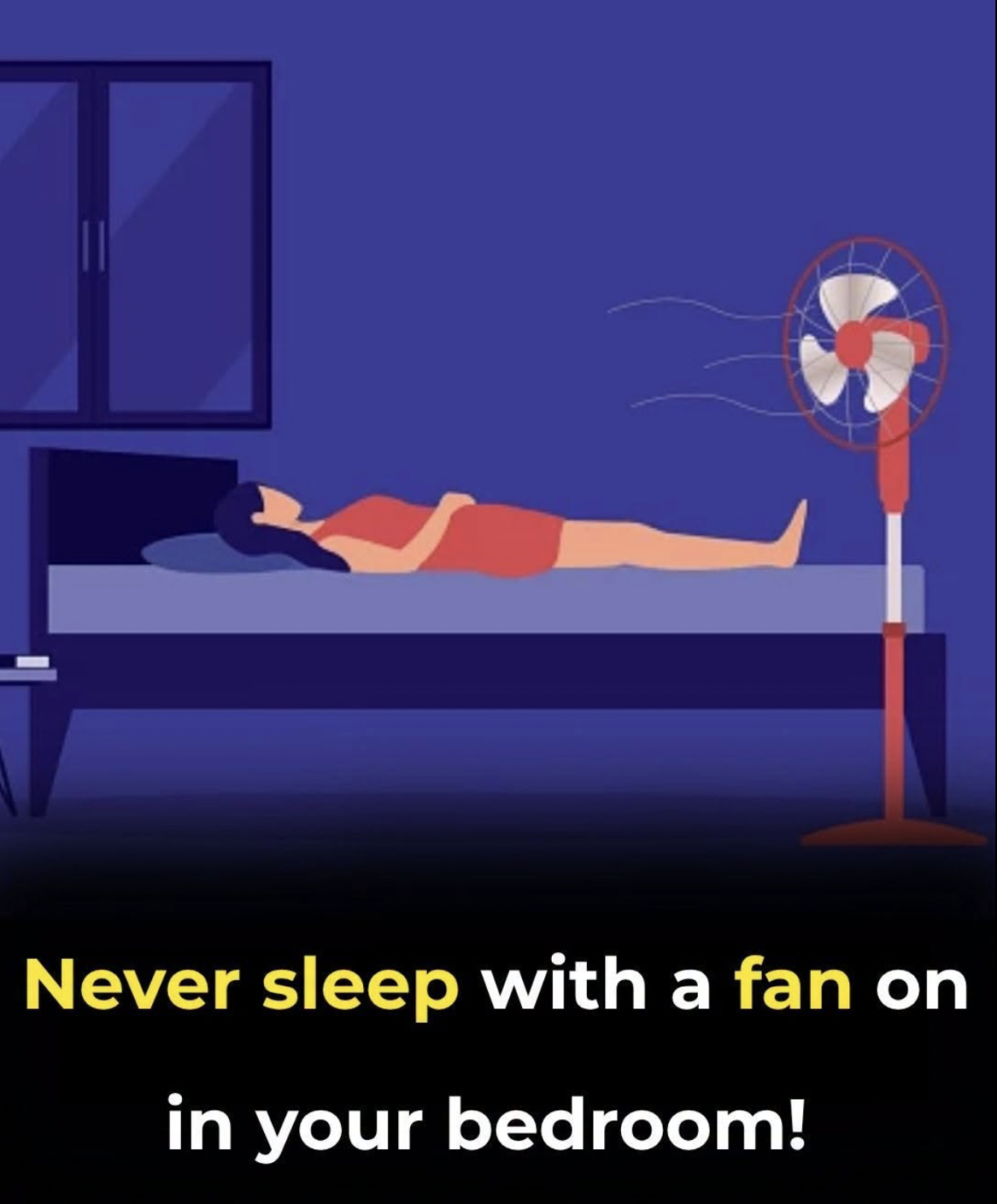
Sleep is often treated as though it is simply a matter of closing your eyes and waiting for morning. But the way you position your body during those hours can influence breathing, comfort, muscle tension, snoring, acid reflux, and the way you feel when you wake up.
At the same time, there is no single sleeping position that is perfect for every person.
That is one of the most important things to understand.
Some people naturally sleep on their side. Others prefer their back. Some feel most comfortable on their stomach. And many people change positions repeatedly throughout the night without even realizing it. Sleep specialists emphasize that the best position depends on individual comfort, breathing, pain, snoring, reflux, pregnancy, and other personal health considerations.
So instead of asking, “What is the one healthiest sleeping position?”, a better question is:
“Which sleeping position allows my body to remain comfortable, supported, and able to breathe normally throughout the night?”
That small change in perspective makes the subject much easier to understand.
Why Does Sleeping Position Matter?
You spend a substantial portion of your life in bed.
During those hours, your muscles are relaxing, your nervous system is changing its activity, your breathing pattern shifts, and your body is recovering from the physical and mental demands of the day.
Your sleeping position determines how your head, neck, shoulders, spine, hips, and legs are arranged for hours at a time.
If your position provides good support, you may wake feeling comfortable and refreshed.
If your position places unnecessary pressure on certain areas, you may wake with:
- a stiff neck
- aching shoulders
- lower-back discomfort
- hip pain
- numbness in an arm
- tingling in the hands
- headaches
- heartburn
- a dry mouth
- excessive tiredness
However, discomfort in the morning does not automatically mean your sleeping position is “wrong.”
Your mattress, pillow, physical activity, injuries, stress, and underlying health conditions can all contribute.
There Is No Universal Perfect Position
The internet often presents sleep advice as a competition:
“Sleep on your left side.”
“Never sleep on your back.”
“Stomach sleeping is terrible.”
“Everyone should sleep on their right side.”
These statements are usually too simplistic.
Sleep specialists generally agree that sleep position should be individualized. A position that works beautifully for one person may be uncomfortable or inappropriate for another.
For example, someone who snores heavily may breathe more comfortably on their side.
Someone with certain types of back discomfort may prefer lying on their back with appropriate support.
Someone with frequent nighttime reflux may find the left side more comfortable.
And someone who has slept on their stomach for decades may find it extremely difficult to suddenly force themselves into another position.
The goal isn’t to win a competition.
The goal is better sleep.
The Four Main Sleeping Positions
Most people fall into one of several broad categories:
- Sleeping on your back
- Sleeping on your left side
- Sleeping on your right side
- Sleeping on your stomach
There are also combinations and variations.
You might sleep partly on your side and partly on your stomach.
You might bend one knee.
You might put one arm beneath your pillow.
You might sleep in a semi-reclined position.
You might begin the night on your back and wake up on your side.
All of this is normal.
In fact, sleep specialists point out that people generally don’t remain completely still throughout the night. Changing positions is a normal part of sleep.
Sleeping on Your Side
Side sleeping is one of the most common sleeping positions.
It is also a position that can be helpful for several people because it can support easier breathing and may reduce certain nighttime symptoms.
When you sleep on your side, gravity is less likely to pull the tongue and soft tissues backward into the airway compared with lying flat on your back.
This is one reason side sleeping is often recommended for people who snore or have obstructive sleep apnea.
But side sleeping isn’t automatically perfect.
Your shoulder, hip, and outer leg can experience pressure.
If your pillow is too high or too low, your neck can bend sideways for hours.
If your mattress is extremely firm or extremely soft, maintaining comfortable spinal alignment can become difficult.
How to Improve Side Sleeping
One of the simplest adjustments is to pay attention to your pillow.
Your head should be supported without being pushed dramatically upward or allowed to drop toward the mattress.
The exact pillow height depends on:
- your shoulder width
- mattress firmness
- body shape
- personal comfort
- sleeping position
A side sleeper generally needs enough pillow height to fill the space between the shoulder and head.
But there is no universal measurement that works for everyone.
The Pillow Between the Knees
Another simple trick is placing a pillow between your knees.
This can make side sleeping more comfortable by providing additional support around the hips and legs.
Some people find that it prevents the upper leg from falling forward and pulling the pelvis into an uncomfortable position.
You don’t necessarily need a special product.
A normal pillow can work.
The important thing is that it feels comfortable and doesn’t force your legs into an unnatural position.
Side Sleeping and Snoring
Side sleeping can be particularly useful for people who snore.
When you’re lying on your back, the tongue and other soft tissues can move backward and partially narrow the airway.
For some people, that can increase snoring.
Moving onto the side may reduce that tendency.
However, changing position doesn’t necessarily eliminate the underlying problem.
If someone snores loudly and regularly, especially if there are pauses in breathing, choking sounds, morning headaches, or significant daytime sleepiness, sleep apnea should be considered.
Side Sleeping and Sleep Apnea
For many people with obstructive sleep apnea, side sleeping is preferable to sleeping flat on the back.
Research and clinical guidance indicate that breathing interruptions can become more frequent in the supine position, while lateral sleeping can reduce them in some patients.
This is sometimes called positional sleep apnea.
The important point is that changing position may help some people, but it isn’t necessarily a substitute for medical treatment.
If someone has diagnosed sleep apnea, they should follow the treatment plan recommended by their healthcare professional.
Left-Side Sleeping
Sleeping on the left side has received particular attention because of its relationship with acid reflux and pregnancy.
For people who experience nighttime reflux, left-side sleeping may reduce the tendency for stomach contents to move upward into the esophagus.
This is partly related to the anatomy of the stomach and the position of the esophagus.
Research and clinical guidance commonly recommend the left side for people dealing with nighttime gastroesophageal reflux symptoms.
Why the Left Side Can Help With Reflux
Think about the stomach as a curved container.
Its anatomical position means that lying on the left side can make it more difficult for stomach contents to travel upward toward the esophagus.
By contrast, lying flat on the back or sometimes on the right side can worsen reflux symptoms for certain people.
Of course, individual responses vary.
If one position makes your heartburn worse, another may be more comfortable.
Left-Side Sleeping During Pregnancy
Side sleeping is commonly recommended during pregnancy, particularly later in pregnancy.
The left side is often discussed because of circulation and comfort, although pregnant people should follow individualized advice from their healthcare professional.
Pregnancy changes the body significantly.
As the abdomen grows, certain sleeping positions can become uncomfortable, and side sleeping can help many people find a more sustainable posture.
Pillows can be extremely useful during this period.
A pillow between the knees and another supporting the abdomen can make side sleeping more comfortable.
Right-Side Sleeping
There is nothing inherently wrong with sleeping on your right side.
For many people, it is simply comfortable.
Right-side sleeping can also be helpful for some people with breathing-related sleep problems because side sleeping generally reduces the airway collapse that can occur during back sleeping.
However, people with reflux may notice a difference between left- and right-side sleeping.
If you regularly experience heartburn at night, the left side is often considered preferable.
Why Some People Prefer the Right Side
Comfort is personal.
Some people find that the right shoulder or hip feels better.
Others simply naturally roll toward the right side.
And sometimes your sleeping position is influenced by your mattress, partner, room layout, or even which direction you normally turn when getting into bed.
There is no reason to force yourself to sleep on the left side if the right side feels substantially more comfortable and you don’t have a health reason to prefer another position.
Sleeping on Your Back
Back sleeping, also called the supine position, can be an excellent position for some people.
It allows the body to rest symmetrically across the mattress.
Your head, neck, shoulders, and hips can potentially remain in a relatively neutral arrangement if the pillow and mattress provide appropriate support.
For some people, this position can reduce pressure on the shoulders and hips.
It can also make it easier to maintain a relatively straight spinal alignment.
But there is a major drawback.
For people prone to snoring or obstructive sleep apnea, lying flat on the back can make breathing problems worse.
Why Back Sleeping Can Increase Snoring
When you’re lying on your back, gravity can cause the tongue and soft tissues at the back of the throat to move backward.
If the airway becomes narrower, air moving through it can create vibrations.
Those vibrations are what we hear as snoring.
For some people, simply turning onto the side can reduce the problem.
But again, loud persistent snoring should not automatically be dismissed as harmless.
Back Sleeping and Acid Reflux
Back sleeping may also worsen reflux for some people.
When you are lying completely flat, gravity no longer helps keep stomach contents down.
If you already have a tendency toward reflux, this can make nighttime symptoms more noticeable.
One strategy sometimes recommended is elevating the upper body rather than simply stacking several pillows underneath the head.
A wedge or appropriately designed elevation can create a more gradual incline.
Why Stacking Many Pillows Isn’t Always Ideal
Someone with reflux may think:
“I’ll just put three pillows underneath my head.”
The problem is that this can bend the body at the waist or neck rather than creating a smooth incline.
Your neck may become flexed.
Your shoulders may be pushed forward.
Your back may end up in an awkward position.
A gradual elevation is generally more comfortable than simply creating a giant pile beneath your head.
Sleeping on Your Stomach
Stomach sleeping is probably the position that receives the most criticism.
But the reality is more nuanced.
Sleeping on your stomach isn’t automatically dangerous.
Many healthy people sleep this way without experiencing major problems.
The concern is that it can make neutral spinal alignment more difficult.
Your head usually has to turn to one side so you can breathe.
That means your neck may remain rotated for a prolonged period.
The lower back can also be affected depending on your body shape, mattress, and position.
Stomach sleeping has been associated with increased neck, shoulder and back discomfort in some people.
Why Your Neck May Hurt After Stomach Sleeping
Imagine lying face down.
You can’t comfortably breathe through the mattress.
So you turn your head to the left or right.
Now imagine keeping your head in that rotated position for several hours.
That doesn’t necessarily cause injury, but it can place prolonged stress on muscles and joints.
This is one reason stomach sleepers sometimes wake with:
- stiff neck
- shoulder discomfort
- upper-back tension
- headaches
The Lower Back Can Also Be Affected
The stomach position can sometimes increase the arch in the lower back.
For certain people, that may contribute to morning discomfort.
This doesn’t mean every stomach sleeper will develop back pain.
Your body shape, mattress, flexibility and individual anatomy all matter.
If you sleep on your stomach and wake feeling perfectly comfortable, there may be no urgent reason to change.
What If You Love Sleeping on Your Stomach?
Don’t panic.
You don’t have to suddenly force yourself to sleep on your back.
If stomach sleeping is comfortable and you’re sleeping well, you may not need to completely abandon it.
But if you’re experiencing:
- recurring neck pain
- back pain
- shoulder pain
- numbness
- tingling
- poor-quality sleep
then experimenting with another position may be worthwhile.
A thinner pillow can sometimes reduce the amount of neck rotation required.
Your Pillow Matters as Much as Your Position
People often focus entirely on the body position while ignoring the pillow.
But the pillow is responsible for supporting your head and neck.
A pillow that is too high can push your neck upward.
A pillow that is too low can allow your head to fall downward.
Either situation can create discomfort.
The correct pillow is therefore not simply the softest one or the most expensive one.
It is the one that supports your head in a reasonably neutral position for your sleeping posture.
There Is No Perfect Pillow for Everyone
A side sleeper may need more height than a stomach sleeper.
A person with broad shoulders may require different support than someone with narrow shoulders.
A firm mattress changes how deeply your shoulder sinks into the bed.
A softer mattress changes that relationship.
So pillow choice should always be considered together with the mattress and sleeping position.
Your Mattress Matters Too
You could have an excellent sleeping position and still wake up sore if your mattress doesn’t provide appropriate support.
A mattress that is extremely firm may create pressure points around the shoulders and hips.
A mattress that is extremely soft may allow the body to sink unevenly.
The goal is not necessarily to find the hardest or softest mattress.
The goal is to find a surface that supports your body comfortably.
Spinal Alignment Is More Important Than the “Correct” Position
Instead of obsessing over whether you are a side sleeper or back sleeper, think about alignment.
Your head should be supported.
Your neck shouldn’t be dramatically bent.
Your shoulders and hips should be reasonably supported.
Your spine should not be forced into an extreme position.
Your muscles should be able to relax.
This is more useful than memorizing a single supposedly perfect position.
Why You Move During Sleep
You may go to sleep on your left side and wake up on your back.
That’s normal.
You may begin on your back and end up curled on your right side.
That’s also normal.
The human body doesn’t generally remain completely motionless throughout an entire night.
Sleep consists of repeating cycles, and position changes can occur naturally as those cycles progress.
So don’t worry if you can’t maintain a specific position all night.
Trying Too Hard Can Make Sleep Worse
This is an overlooked problem.
Suppose someone reads:
“Sleeping on your back is bad.”
They then spend the entire night thinking:
“Am I on my back?”
“I need to turn over.”
“Is my neck aligned?”
“Am I sleeping correctly?”
That level of attention can make relaxation more difficult.
Sleep should not become another performance task.
Comfort Is a Major Part of Good Sleep
A position that causes pain is unlikely to produce excellent sleep.
If your shoulder hurts every time you lie on one side, that position may not be appropriate for you.
If lying on your back causes loud snoring and repeated awakenings, another position may be better.
If lying on your stomach leaves your neck stiff every morning, consider experimenting with alternatives.
Your body’s response provides useful information.
Sleep Position and Back Pain
People with back pain often benefit from paying closer attention to their sleeping posture.
For some people, sleeping on the side with a pillow between the knees can reduce discomfort.
For others, lying on the back with a pillow supporting the knees can feel better.
The goal is to reduce unnecessary stress on the spine.
There isn’t one universal solution.
Back Sleeping With a Pillow Under the Knees
This is a simple position worth experimenting with if you prefer sleeping on your back.
Place a pillow underneath your knees.
This can slightly change the angle of your hips and reduce the amount of arching in the lower back.
Some people find it immediately more comfortable.
Others don’t.
Again, comfort is the deciding factor.
Side Sleeping With a Pillow Between the Knees
For side sleepers, placing a pillow between the knees can provide additional support.
It can help prevent the upper leg from dropping forward.
That may reduce twisting through the pelvis and lower back.
You don’t need a huge pillow.
A relatively supportive pillow that keeps your knees comfortably separated can be enough.
What About Sleeping With Your Arms Above Your Head?
Some people naturally sleep with their arms stretched above their head.
This isn’t automatically harmful.
But if you wake with:
- numb hands
- tingling fingers
- shoulder pain
- aching arms
your arm position may be contributing.
Try keeping your arms in a more relaxed position alongside the body or gently in front of you.
Why Do Hands Go Numb During Sleep?
Sometimes a sleeping position puts prolonged pressure on a nerve or temporarily reduces circulation to a limb.
For example, sleeping directly on an arm can cause the familiar “pins and needles” sensation.
Changing position usually resolves it.
However, persistent or recurrent numbness should not simply be blamed on sleep posture without considering other causes.
Sleep Position and Circulation
Your body is designed to change positions during sleep.
Normal movement helps prevent prolonged pressure on the same areas.
This is one reason you shouldn’t be alarmed by natural repositioning during the night.
People who are unable to move normally during sleep because of certain medical conditions have different considerations and may need individualized advice.
What Position Is Best for Snoring?
For many people, side sleeping is preferable to lying flat on the back.
A slightly elevated upper body may also help some people.
But persistent loud snoring shouldn’t automatically be treated as a simple positioning issue.
If snoring is accompanied by pauses in breathing, choking or gasping, morning headaches, or severe daytime tiredness, medical evaluation is appropriate.
Sleep Position and Sleep Apnea
This is one of the areas where position can make a particularly meaningful difference.
People with obstructive sleep apnea may experience more airway obstruction while sleeping on their backs.
Side sleeping can reduce the number of breathing interruptions for some patients.
However, positional therapy doesn’t necessarily work equally well for everyone.
Some people experience breathing problems regardless of position.
That’s why suspected sleep apnea should be evaluated rather than treated solely by changing positions.
Sleep Position and Heartburn
If nighttime heartburn is a regular problem, consider experimenting with the left side.
Research and clinical guidance commonly identify left-side sleeping as a helpful position for reducing nighttime reflux symptoms.
You can also discuss other strategies with a healthcare professional if reflux is frequent.
Persistent reflux shouldn’t simply be accepted as a normal part of getting older.
Why Eating Late Can Make Position More Important
If you go to bed shortly after a large meal, you may notice more reflux regardless of your position.
Your stomach is still processing food.
Lying down removes the assistance of gravity.
This is one reason people who regularly experience nighttime heartburn often pay attention not only to sleep position but also to meal timing and other lifestyle factors.
Sleep Position and Pregnancy
Pregnancy is one situation in which sleep position deserves particular consideration.
As pregnancy progresses, comfort can become more difficult.
Side sleeping often becomes preferable.
Pillows can support the abdomen, knees and back.
Because pregnancy is medically individual, pregnant people should follow advice from their own healthcare provider, especially if they have complications or specific concerns.
What About Elderly People?
Older adults may have different sleep-position needs because of:
- arthritis
- joint stiffness
- reduced mobility
- chronic pain
- respiratory conditions
- circulation problems
- changes in muscle mass
Comfort and safety become particularly important.
A position that was comfortable at age 25 may not feel the same decades later.
This is normal.
What About People With Shoulder Pain?
If one shoulder hurts, sleeping directly on it may increase discomfort.
Try sleeping on the opposite side or on your back.
A pillow can also be used to support the affected arm.
If shoulder pain persists regardless of position, the underlying problem may be something other than sleep posture.
What About Neck Pain?
Neck pain is often influenced by pillow height and head position.
If you sleep on your side, your pillow should support the head without pushing it excessively upward.
If you sleep on your back, a lower-profile pillow may be more appropriate for some people.
If you sleep on your stomach, the neck must usually rotate to one side, which can contribute to stiffness.
What About Headaches in the Morning?
Morning headaches can have many causes.
Poor neck positioning may contribute.
But frequent morning headaches can also be associated with sleep apnea, dehydration, medication effects, alcohol, sleep deprivation and other factors.
If morning headaches are persistent, don’t assume your pillow is the only explanation.
Sleep Position Is Only One Piece of the Puzzle
You can have perfect spinal alignment and still sleep poorly because:
- the room is too hot
- there is too much noise
- you drink caffeine late
- you use screens until bedtime
- you have an irregular schedule
- you are under significant stress
- you have an untreated sleep disorder
This is why sleep health should be viewed as a whole.
The Best Position Is Often the One You Can Maintain Comfortably
If you wake up rested, have no significant pain, breathe comfortably and sleep through the night reasonably well, you may already have a good sleeping position.
There may be no reason to completely change it because an article on the internet says another position is “better.”
Your body gives you valuable information.
Don’t Obsess Over Left Versus Right
For most healthy adults, the difference between left- and right-side sleeping isn’t something that needs to become an obsession.
Specific conditions can make one side preferable.
For example, left-side sleeping is often recommended for nighttime reflux and is commonly favored during pregnancy.
But for someone without those concerns, comfort may be the deciding factor.
Don’t Fear Sleeping on Your Back
Back sleeping isn’t inherently bad.
In fact, it can be comfortable and supportive for many people.
The main concern is that it can worsen snoring and obstructive sleep apnea in susceptible individuals.
If you sleep on your back and wake rested without significant symptoms, there is no universal rule saying you must stop.
Don’t Automatically Fear Sleeping on Your Stomach
The same principle applies to stomach sleeping.
It isn’t automatically dangerous.
The concern is primarily about comfort, neck rotation, spinal stress and possible pain.
If you wake feeling good and have no concerning symptoms, your body may simply prefer that position.
If you wake with persistent pain, however, it’s worth experimenting with alternatives.
A Simple Experiment to Find Your Best Position
Rather than suddenly forcing yourself into a completely new position, experiment gradually.
For several nights, try sleeping on your side.
Use a supportive pillow.
Place another pillow between your knees.
Notice how you feel in the morning.
Then compare that with your usual position.
Pay attention to:
- neck comfort
- back comfort
- shoulder comfort
- breathing
- snoring
- heartburn
- how refreshed you feel
Your own observations can be surprisingly useful.
Keep a Simple Sleep Journal
You don’t need an elaborate tracking system.
Each morning, simply record:
Sleep position: side/back/stomach
Sleep quality: poor/fair/good
Neck: comfortable/stiff
Back: comfortable/stiff
Heartburn: none/mild/strong
Morning energy: low/medium/high
After a week or two, patterns may become obvious.
Don’t Change Everything at Once
If you suddenly buy a new mattress, new pillow, change your bedtime, stop caffeine, change your sleep position and start exercising all at the same time, you won’t know which change made a difference.
Small experiments are easier to understand.
Try one adjustment.
Give it time.
Observe.
Then decide whether it is worth keeping.
The Most Important Rule: Listen to Your Body
Sleep advice should guide you, not frighten you.
If a position is comfortable and you wake rested, that matters.
If a position causes pain, change it.
If a position causes repeated breathing problems, take it seriously.
If heartburn repeatedly wakes you, investigate it.
If you snore loudly and stop breathing during sleep, seek medical advice.
Your individual symptoms matter more than a generic list of “best” and “worst” positions.
When You Should Talk to a Healthcare Professional
Consider seeking professional advice if you regularly experience:
- loud persistent snoring
- pauses in breathing
- choking or gasping during sleep
- severe daytime sleepiness
- frequent morning headaches
- persistent neck or back pain
- repeated numbness or weakness
- severe nighttime reflux
- unexplained repeated awakenings
- persistent insomnia
A sleeping position can contribute to symptoms, but it may not be the underlying cause.
The Bigger Picture
The science of sleep position is less about finding a magical posture and more about understanding how position interacts with the rest of your body.
Side sleeping may help breathing and reduce certain symptoms.
Back sleeping may offer good support for some people but can worsen airway obstruction in susceptible individuals.
Stomach sleeping may be comfortable for some people but can place additional stress on the neck and lower back.
And every position can be improved through appropriate pillow and mattress support.
Modern sleep specialists therefore generally emphasize individual comfort, alignment, breathing and specific health conditions rather than declaring one position universally perfect.

Welcome to my kitchen!
I’m a passionate home cook and recipe creator who loves turning simple ingredients into delicious, comforting meals that everyone can enjoy. Through this website, I share carefully prepared recipes, practical cooking tips, and easy-to-understand food education to help you feel more confident in the kitchen.
My goal is to make cooking simple, enjoyable, and accessible. Whether you are looking for a quick family dinner, a delicious dessert, healthy meal ideas, or traditional recipes with a modern touch, you’ll find inspiration here.
More Than Just Recipes
I believe that cooking is also a way to learn. That’s why this website is not only about recipes. I also create educational articles about ingredients, cooking techniques, kitchen tips, food preparation, and the stories behind different dishes.
Each article is designed to give you useful knowledge that you can apply in your own kitchen. From understanding how ingredients work together to learning better cooking methods, my aim is to help you become a more confident and creative cook.
My Philosophy
Good food doesn’t always require complicated ingredients or professional equipment. With a little knowledge, patience, and creativity, simple ingredients can become something truly special.
I believe in sharing recipes that are practical, clearly explained, and enjoyable to make. I also love exploring new flavors while appreciating traditional cooking and the recipes passed down through generations.
Thank you for visiting my kitchen and being part of this food-loving community. I hope my recipes and articles inspire you to cook, learn, experiment, and most importantly, enjoy every bite!
Happy cooking!