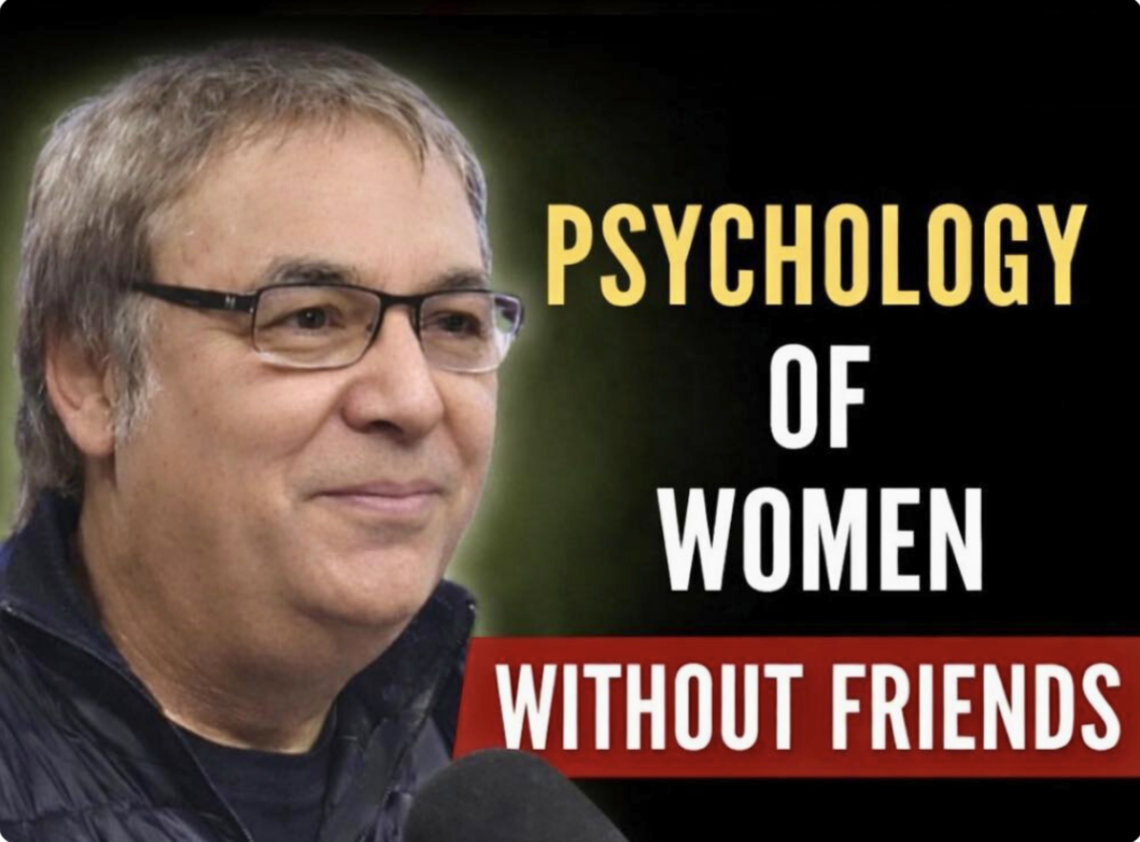
Having few friends is often misunderstood. In reality, it is rarely about a single personality type or a set of fixed “traits.” It is usually the result of a combination of life experiences, emotional preferences, environment, and timing.
Modern social life is also very different from before: work pressure, digital communication, relocation, and mental load all play a role in how friendships form and fade.
So instead of labeling people, it is more accurate to understand the patterns behind small social circles.
1. Social Energy and Emotional Capacity
Some people simply have a lower “social battery.”
This does not mean they dislike people. It means:
- Social interaction takes real energy from them
- They need long periods of solitude to recover
- Too many conversations or plans can feel overwhelming
So over time, they naturally:
- Limit interactions
- Choose rest over social outings
- Keep only a few meaningful relationships
This is often seen in introverted personalities, but also in people under stress or emotional fatigue.
It’s not avoidance—it’s energy management.
2. Life Responsibilities That Leave Little Room for Friendships
Friendships require time, consistency, and emotional presence.
But many women today are balancing:
- Work or career pressure
- Family responsibilities (children, parents, household duties)
- Financial stress
- Personal development or education
When life becomes full, friendships are often the first thing that slowly receives less attention—not because they are unimportant, but because there are only 24 hours in a day.
Over time:
- Messages get delayed
- Plans get cancelled
- Contact becomes occasional
And friendships quietly fade without conflict.
3. Trust Becomes More Selective After Life Experiences
Some people become more careful with relationships after experiencing:
- Betrayal or gossip
- Toxic friendships
- Emotional disappointment
- Being used or misunderstood
As a result, they may:
- Take longer to open up
- Avoid deep emotional sharing early on
- Prefer observing people before trusting them
This can reduce the number of friendships—but often increases their quality.
The key shift here is not “lack of social skills,” but protective caution.
4. Preference for Depth Over Quantity
Not everyone values large social circles.
Some women genuinely prefer:
- 1–2 close, trusted friends
- Deep conversations over small talk
- Emotional authenticity over frequent socializing
In this case, having “few friends” is not a problem—it is a preference for quality relationships.
They may feel drained by:
- Group dynamics
- Social obligation gatherings
- Superficial interactions
So they naturally filter their connections.
5. Social Environments That Don’t Support Friendships
Sometimes the issue is not the person, but the environment.
For example:
- Moving to a new city or country
- Working in isolated or high-pressure jobs
- Being in environments where people are competitive rather than social
- Limited community spaces or social opportunities
In such cases, friendships simply have fewer chances to form naturally.
Even very social people can end up isolated in the wrong environment.
6. Emotional Self-Protection and Boundaries
Some women develop strong emotional boundaries over time.
They may:
- Avoid over-investing in people early
- Be careful about sharing personal details
- Keep relationships at a controlled distance
This often comes from wanting to avoid:
- Emotional burnout
- Drama or conflict
- One-sided relationships
The result is fewer but more controlled connections.
7. Digital Communication Replacing Real-Life Bonds
In today’s world, many interactions happen online.
This creates a strange effect:
- People feel “connected” but don’t build deep friendships
- Conversations stay surface-level
- Real-life meeting frequency decreases
Over time, this can reduce the development of strong, lasting friendships.
It’s not loneliness in the traditional sense—it’s fragmented connection.
Important Reality Check
Having few or no friends does NOT automatically mean:
- Someone is antisocial
- Someone is emotionally unhealthy
- Someone is “missing something” in life
Friendship numbers are not a measure of worth or personality quality.
Some of the most socially capable people go through phases of isolation due to:
- Life transitions
- Emotional healing
- Busy responsibilities
- Changing priorities
When Fewer Friends Might Signal a Problem
It only becomes concerning if:
- The person feels deeply lonely but cannot connect
- Social fear prevents all interaction
- Isolation causes emotional distress
- There is a loss of interest in all relationships
In those cases, gradual reconnection with others can help.
Healthier Way to Understand It
A more accurate question is not:
“What type of woman has few friends?”
But rather:
“What life factors, emotional needs, and circumstances shape someone’s social circle?”
Because the answer is always complex and individual.
Final Thoughts
Friendship is not a fixed measurement of personality—it is a living result of time, environment, emotional energy, and personal choice.
Some women have large social networks. Others have small, carefully chosen circles. Some go through periods of solitude before rebuilding connections later.
None of these states defines who they are.
What matters most is not the number of friends someone has, but whether their social life feels authentic, balanced, and emotionally healthy for them.
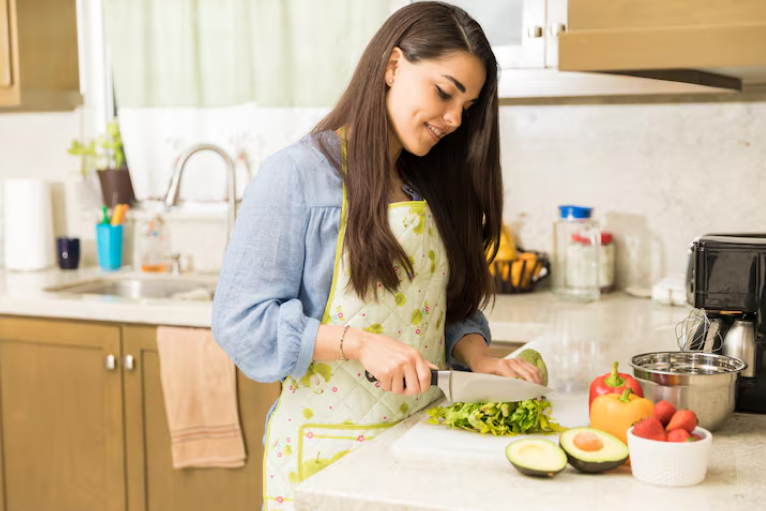
Welcome to my kitchen!
I’m a passionate home cook and recipe creator who loves turning simple ingredients into delicious, comforting meals that everyone can enjoy. Through this website, I share carefully prepared recipes, practical cooking tips, and easy-to-understand food education to help you feel more confident in the kitchen.
My goal is to make cooking simple, enjoyable, and accessible. Whether you are looking for a quick family dinner, a delicious dessert, healthy meal ideas, or traditional recipes with a modern touch, you’ll find inspiration here.
More Than Just Recipes
I believe that cooking is also a way to learn. That’s why this website is not only about recipes. I also create educational articles about ingredients, cooking techniques, kitchen tips, food preparation, and the stories behind different dishes.
Each article is designed to give you useful knowledge that you can apply in your own kitchen. From understanding how ingredients work together to learning better cooking methods, my aim is to help you become a more confident and creative cook.
My Philosophy
Good food doesn’t always require complicated ingredients or professional equipment. With a little knowledge, patience, and creativity, simple ingredients can become something truly special.
I believe in sharing recipes that are practical, clearly explained, and enjoyable to make. I also love exploring new flavors while appreciating traditional cooking and the recipes passed down through generations.
Thank you for visiting my kitchen and being part of this food-loving community. I hope my recipes and articles inspire you to cook, learn, experiment, and most importantly, enjoy every bite!
Happy cooking!