You have likely seen headlines like:
- “If you have this plant in your house, you have good luck!”
- “This plant purifies your air instantly!”
- “Keep this plant in your bedroom for health and peace!”
These statements spread quickly on social media, blogs, and short videos because they are simple, emotional, and intriguing. They turn ordinary houseplants into something almost magical.
But when we slow down and look carefully, a different picture appears—one that is more grounded in science, tradition, and realistic expectations.
Why These Headlines Are So Popular
Plant-related claims spread easily because they combine:
- Curiosity (“What plant is it?”)
- Hope (“Will it improve my life?”)
- Simplicity (one plant = big effect)
- Aesthetic appeal (plants look calming and beautiful)
They also tap into a universal desire: the idea that small changes at home can bring big improvements in health, mood, or even luck.
However, the truth is usually more nuanced.
The Reality: No Plant Has Magical Powers
While plants do provide real benefits, no houseplant can:
- Dramatically purify an entire room’s air on its own
- Guarantee “good luck” in a measurable way
- Cure health conditions
Most viral claims take small scientific or cultural facts and expand them into exaggerated promises.
That does not mean plants are useless—it means their real value is often misunderstood.
Example 1: Snake Plant – “Air Purifier Miracle”
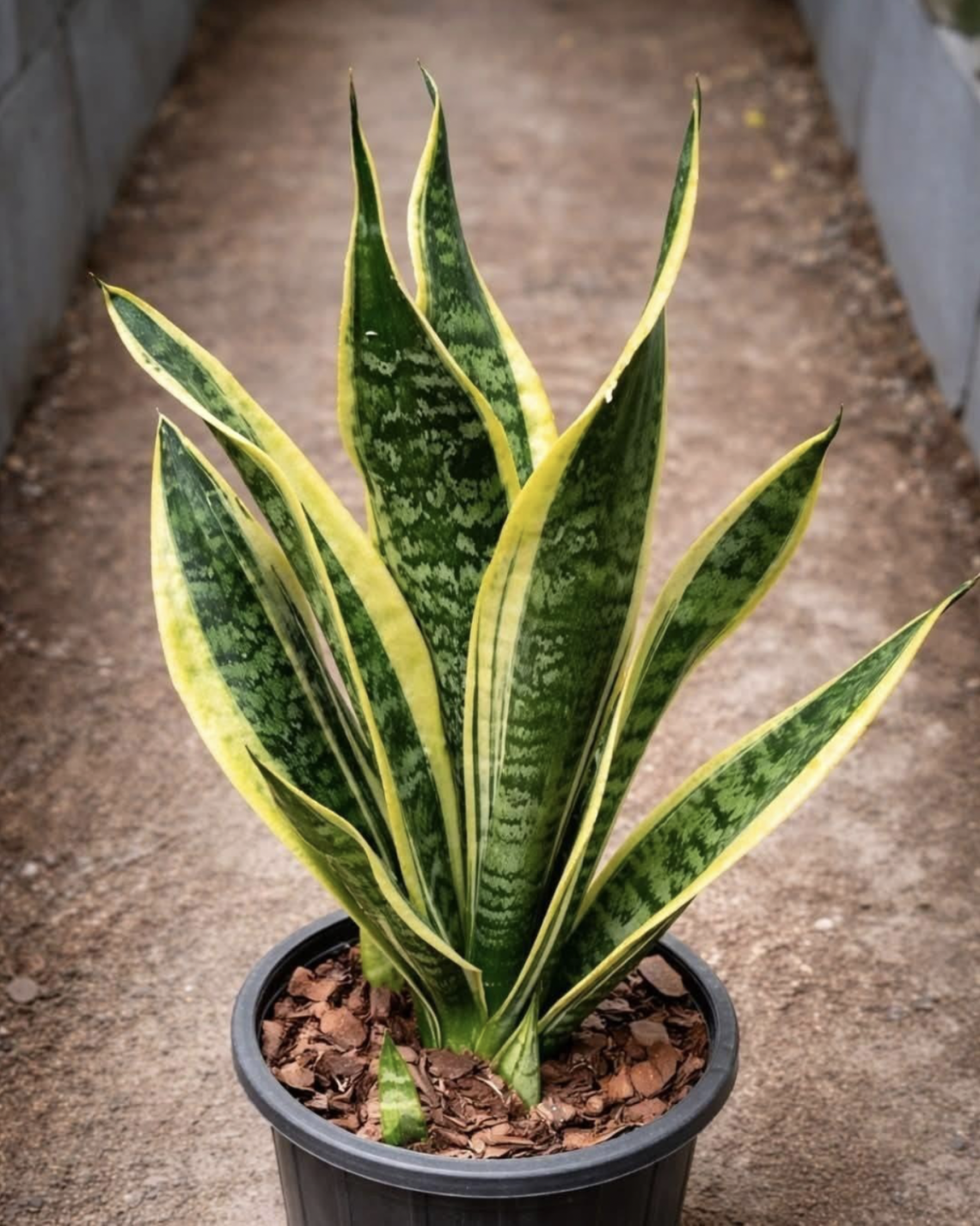
One of the most common plants in viral posts is the snake plant.
What people claim:
- “It cleans the air while you sleep!”
- “It removes all toxins from your room!”
What science actually says:
Research has shown that snake plants can absorb small amounts of certain compounds in controlled environments. However:
- These studies were done in sealed laboratory conditions
- Real homes have air circulation that changes results
- You would need a very large number of plants to match even a basic air purifier
Real benefit:
- Low maintenance plant
- Improves mood and room aesthetics
- Can slightly contribute to indoor greenery effects
So yes—it helps, but not in a “miracle air-cleaning” way.
Example 2: Money Plant – “Attracts Wealth”
The money plant is often associated with prosperity and financial luck in many cultures.
What people believe:
- “It brings money into the house”
- “It attracts financial success”
Cultural reality:
These beliefs come from symbolism, not science. In feng shui and other traditions, plants represent:
- Growth
- Stability
- Positive energy
Real benefit:
- Easy to grow indoors
- Adds greenery and calmness
- May reduce stress visually and emotionally
The “wealth” effect is symbolic, not literal—but symbolism itself can be meaningful in cultural practice.
Example 3: Aloe Vera – “Healing Plant for Everything”
The aloe vera is often described as a universal healer.
What people claim:
- “Cures all skin problems instantly”
- “Detoxifies the body completely”
Reality:
- Aloe gel can soothe minor skin irritation and burns
- It has moisturizing and calming properties
- It is not a cure for serious medical conditions
Real benefit:
- Useful in skincare routines
- Easy to grow at home
- Practical for minor first-aid support
The Pattern Behind Plant Myths
When you compare these examples, a clear pattern appears:
1. A real property exists
Plants do have:
- Chemical compounds
- Aesthetic effects
- Psychological benefits
2. It gets simplified
That real property becomes:
- “Cleans all toxins”
- “Brings money instantly”
- “Cures all problems”
3. It becomes viral
Because simple promises spread faster than complex explanations.
What Plants Actually Do Well
Even without myths, houseplants genuinely offer benefits:
1. Emotional well-being
Being around greenery can:
- Reduce stress
- Improve mood
- Create a calming environment
2. Air humidity and freshness
Plants can slightly:
- Increase humidity
- Improve indoor atmosphere
3. Visual comfort
Green spaces indoors are linked to:
- Relaxation
- Better focus
- Sense of comfort
Why the “Grain of Truth” Matters
The interesting part is not that the claims are false—but that they often start from something real.
- Plants do interact with air
- Plants do affect mood
- Plants do hold cultural symbolism
But the leap from “small effect” to “life-changing miracle” is where exaggeration happens.
A Balanced Way to Think About Houseplants
Instead of asking:
“What magical effect does this plant have?”
A more realistic question is:
“How does this plant improve my environment in a simple, natural way?”
This shift removes unrealistic expectations and brings appreciation back to reality.
Final Thoughts
The viral idea of “If you have this plant, you have good luck or perfect air” is more storytelling than science. But that does not make houseplants meaningless.
They are not magical objects—but they are still valuable companions in a home. They bring:
- Beauty
- Calmness
- A connection to nature
- Small but real environmental benefits
The truth is less dramatic than viral headlines, but often more meaningful: plants do not transform life instantly—but they gently improve it over time.If you have this plant in your house, then you have… see more

Welcome to my kitchen!
I’m a passionate home cook and recipe creator who loves turning simple ingredients into delicious, comforting meals that everyone can enjoy. Through this website, I share carefully prepared recipes, practical cooking tips, and easy-to-understand food education to help you feel more confident in the kitchen.
My goal is to make cooking simple, enjoyable, and accessible. Whether you are looking for a quick family dinner, a delicious dessert, healthy meal ideas, or traditional recipes with a modern touch, you’ll find inspiration here.
More Than Just Recipes
I believe that cooking is also a way to learn. That’s why this website is not only about recipes. I also create educational articles about ingredients, cooking techniques, kitchen tips, food preparation, and the stories behind different dishes.
Each article is designed to give you useful knowledge that you can apply in your own kitchen. From understanding how ingredients work together to learning better cooking methods, my aim is to help you become a more confident and creative cook.
My Philosophy
Good food doesn’t always require complicated ingredients or professional equipment. With a little knowledge, patience, and creativity, simple ingredients can become something truly special.
I believe in sharing recipes that are practical, clearly explained, and enjoyable to make. I also love exploring new flavors while appreciating traditional cooking and the recipes passed down through generations.
Thank you for visiting my kitchen and being part of this food-loving community. I hope my recipes and articles inspire you to cook, learn, experiment, and most importantly, enjoy every bite!
Happy cooking!