The Hidden Causes, Science Behind the Stains, and How to Fix Them for Good
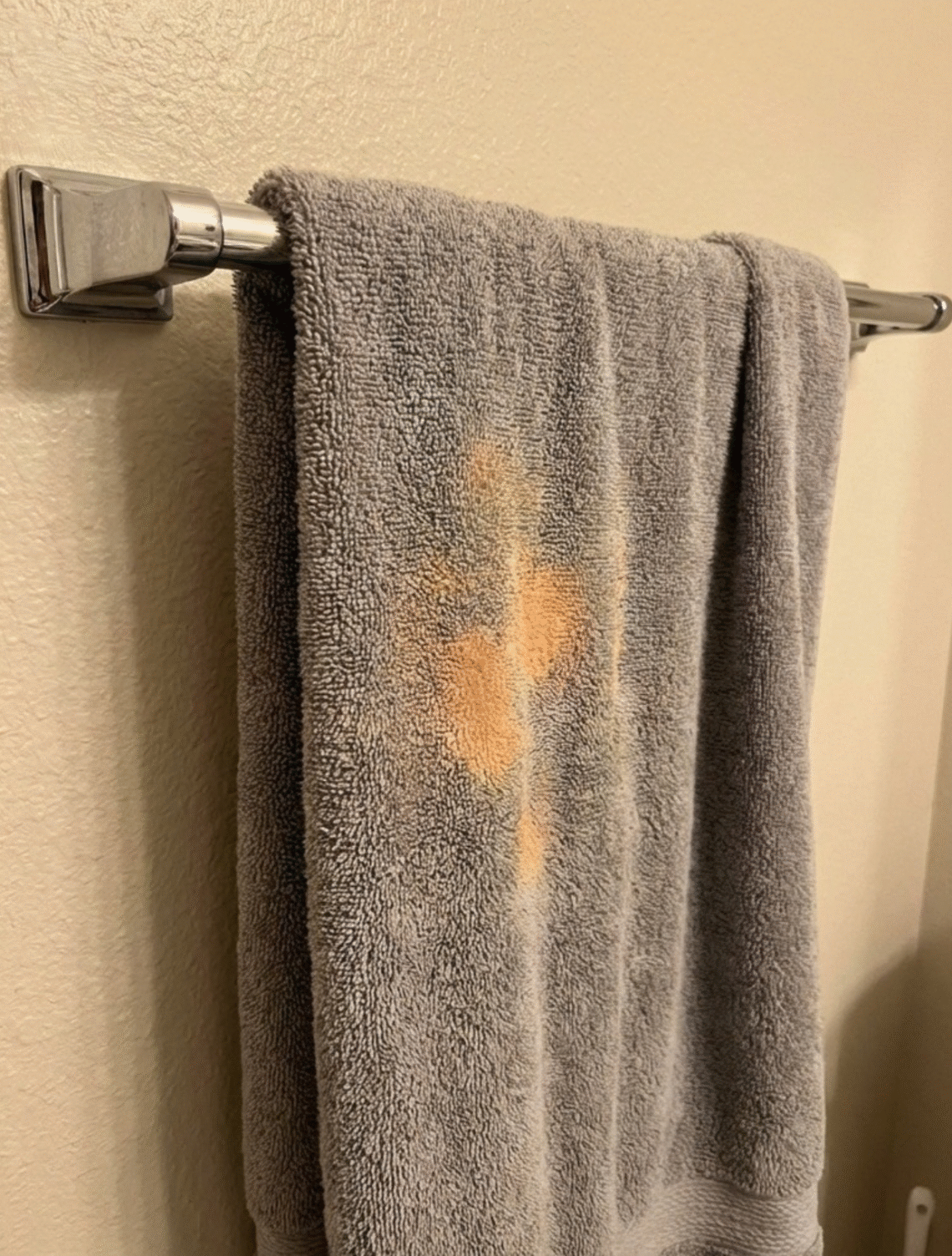
At first, it looks like nothing more than a faint discoloration—a light orange or rusty tint creeping into your towels. Maybe it starts in small patches. Maybe it appears along the edges or in areas that stay damp longer. You toss the towels into the wash, expecting them to come out clean.
But they don’t.
The stains remain. Sometimes they even seem darker. Over time, your once-soft, bright towels take on a dull, uneven appearance that no amount of regular washing seems to fix.
This frustrating problem is more common than most people realize—and it’s not always caused by poor hygiene or cheap fabric. In fact, the reasons behind these stubborn orange stains are often hidden in water chemistry, bacteria, and everyday habits.
This comprehensive guide explores why towels develop orange stains, what those stains actually are, and how to remove and prevent them effectively.
What Are These Orange Stains, Really?
Orange stains on towels are usually not a single issue—they can come from several different sources. The most common causes include:
- Mineral deposits (especially iron)
- Bacterial growth
- Residue from skincare or hair products
- Oxidation from certain chemicals
Understanding which one is affecting your towels is the key to solving the problem.
Cause #1: Iron in Your Water (Rust Staining)
One of the most common causes of orange stains is iron in your water supply.
When water contains dissolved iron (often called “hard water with iron”), it may look clear at first. But when exposed to air and fabric, the iron oxidizes—essentially turning into rust.
What happens:
- Iron particles bind to towel fibers
- Oxygen causes them to oxidize
- Rust-colored stains form and stick to the fabric
Signs this is your problem:
- Orange or reddish stains appear after washing
- Stains are more noticeable on light-colored towels
- You may also see stains in sinks, toilets, or bathtubs
Why it’s hard to remove:
Rust bonds strongly to fabric fibers, making it resistant to regular detergent.
Cause #2: Bacteria That Thrive in Damp Towels
Another major cause is bacterial growth, particularly in towels that stay damp for long periods.
One group of bacteria, sometimes referred to as Serratia marcescens, is known for producing reddish-orange pigments.
Where it comes from:
- Moist environments (bathrooms, laundry baskets)
- Towels that aren’t fully dried
- Poor air circulation
What happens:
- Bacteria grow on damp fibers
- They produce pigmented compounds
- These pigments stain the fabric
Clues:
- Stains may feel slightly slimy
- Towels may have a musty odor
- Stains appear in patches rather than evenly
Cause #3: Residue from Skincare and Hair Products
Modern personal care products can also contribute to staining.
Common culprits include:
- Self-tanners
- Acne treatments containing benzoyl peroxide
- Hair dyes
- Certain body lotions and oils
What happens:
- Product residue transfers onto towels
- Chemicals react with oxygen or detergent
- Orange or yellowish stains develop over time
Example:
Benzoyl peroxide, commonly used for acne, can bleach fabrics and create unusual discoloration patterns.
Cause #4: Hard Water and Mineral Build-Up
Even without high iron content, hard water can cause staining.
Hard water contains minerals like:
- Calcium
- Magnesium
These minerals:
- Build up in fabric fibers
- Trap dirt and oils
- Create a dull, discolored appearance
Over time, this buildup can mix with other residues and appear orange or brown.
Cause #5: Improper Washing Habits
Sometimes, the issue isn’t the water or bacteria—it’s how towels are washed.
Common mistakes include:
- Using too much detergent
- Washing at low temperatures
- Overloading the washing machine
- Not rinsing thoroughly
Result:
- Residue builds up
- Towels don’t fully clean
- Stains become “locked in” over time
Why These Stains Don’t Wash Out Easily
Orange stains are stubborn because they often involve chemical bonding or biological growth, not just surface dirt.
- Rust binds chemically to fibers
- Bacterial pigments penetrate deeply
- Product residues react with heat and detergent
This means standard washing isn’t enough—you need targeted solutions.
How to Remove Orange Stains from Towels
The best method depends on the cause, but here are the most effective approaches.
1. For Iron/Rust Stains
Use:
- White vinegar or lemon juice
- Specialized rust remover
Method:
- Soak the towel in a mixture of water and vinegar
- Let sit for 30–60 minutes
- Wash as usual
Avoid chlorine bleach—it can make rust stains worse.
2. For Bacterial Stains
Use:
- Hot water
- Oxygen-based bleach
Method:
- Wash towels at high temperature
- Add disinfecting agents
- Dry completely at high heat
3. For Product Residue
Use:
- Baking soda
- Vinegar rinse
This helps break down oils and chemical buildup.
4. Deep Cleaning Method (General Solution)
For unknown causes, try this reset method:
- Wash towels in hot water with vinegar
- Wash again with baking soda
- Skip fabric softener
- Dry thoroughly
This removes buildup and restores freshness.
How to Prevent Orange Stains in the Future
Prevention is easier than removal.
1. Dry Towels Properly
Always hang towels in a well-ventilated area.
2. Use Less Detergent
Too much detergent leaves residue behind.
3. Avoid Fabric Softener
It coats fibers and traps moisture.
4. Improve Water Quality
If you suspect iron or hard water:
- Install a water filter
- Use water softeners
5. Wash Towels Regularly
Don’t let them sit damp for days.
6. Be Careful with Products
Avoid wiping off:
- Self-tanner
- Hair dye
- Strong skincare products
on your towels.
When to Replace Towels
Sometimes, stains become permanent.
Consider replacing towels if:
- Stains don’t respond to treatment
- Fabric feels stiff or rough
- Odor persists even after washing
Old towels can still be reused as cleaning cloths.

Welcome to my kitchen!
I’m a passionate home cook and recipe creator who loves turning simple ingredients into delicious, comforting meals that everyone can enjoy. Through this website, I share carefully prepared recipes, practical cooking tips, and easy-to-understand food education to help you feel more confident in the kitchen.
My goal is to make cooking simple, enjoyable, and accessible. Whether you are looking for a quick family dinner, a delicious dessert, healthy meal ideas, or traditional recipes with a modern touch, you’ll find inspiration here.
More Than Just Recipes
I believe that cooking is also a way to learn. That’s why this website is not only about recipes. I also create educational articles about ingredients, cooking techniques, kitchen tips, food preparation, and the stories behind different dishes.
Each article is designed to give you useful knowledge that you can apply in your own kitchen. From understanding how ingredients work together to learning better cooking methods, my aim is to help you become a more confident and creative cook.
My Philosophy
Good food doesn’t always require complicated ingredients or professional equipment. With a little knowledge, patience, and creativity, simple ingredients can become something truly special.
I believe in sharing recipes that are practical, clearly explained, and enjoyable to make. I also love exploring new flavors while appreciating traditional cooking and the recipes passed down through generations.
Thank you for visiting my kitchen and being part of this food-loving community. I hope my recipes and articles inspire you to cook, learn, experiment, and most importantly, enjoy every bite!
Happy cooking!