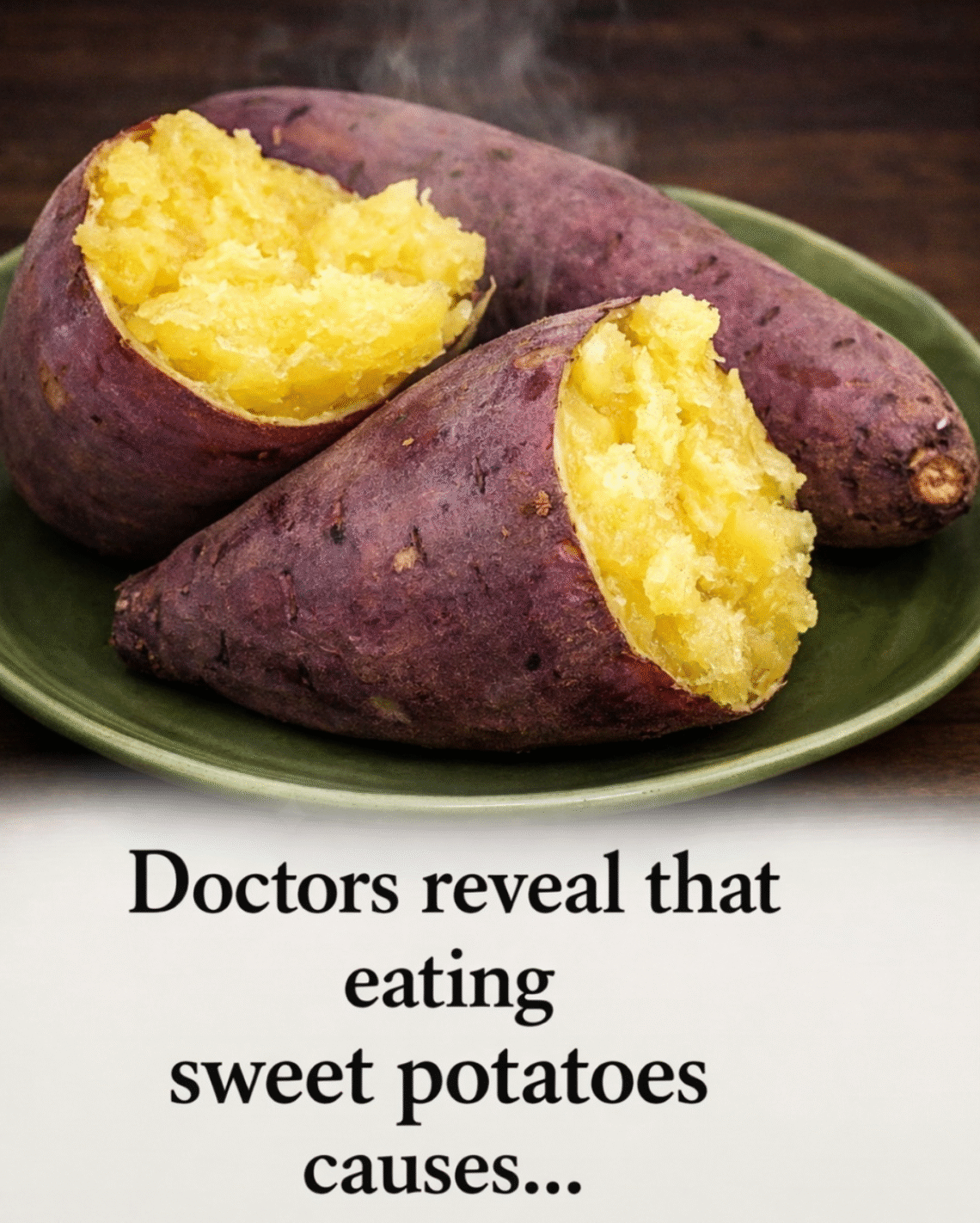
A Complete, Science-Based Guide to Their Effects on Your Body
Sweet potatoes have long been considered one of nature’s most nourishing foods. From traditional diets to modern nutrition plans, they continue to earn praise for their versatility, rich flavor, and impressive nutrient profile.
But beyond their reputation as a “healthy carb,” what actually happens inside your body when you eat sweet potatoes regularly? Are they as beneficial as many claim, or are there hidden effects people rarely discuss?
This in-depth guide explores the real physiological, metabolic, and long-term health impacts of eating sweet potatoes, based on current nutritional science and medical insights.
1. Immediate Nutritional Impact: A Dense Package of Essential Nutrients
When you eat sweet potatoes, your body receives a powerful combination of vitamins, minerals, and plant compounds.
A medium sweet potato contains:
- Complex carbohydrates
- Dietary fiber
- Vitamin A (in the form of beta-carotene)
- Vitamin C
- Potassium
- Antioxidants
One of the most striking features is their extremely high beta-carotene content, which gives them their orange color.
What happens in your body:
- Beta-carotene is converted into vitamin A
- Carbohydrates are broken down into glucose for energy
- Fiber begins to support digestion
This makes sweet potatoes both energizing and nourishing at the same time.
2. Blood Sugar Regulation: More Stable Than You Might Expect
Despite being a carbohydrate-rich food, sweet potatoes have a moderate glycemic index, especially when boiled.
This means:
- They release glucose gradually into the bloodstream
- They help avoid sharp spikes and crashes
Their fiber content slows digestion, which contributes to better blood sugar control.
Important note:
For individuals with Type 2 Diabetes, sweet potatoes can be included in moderation, particularly when paired with protein or healthy fats.
3. Gut Health and Digestion
Sweet potatoes are rich in dietary fiber, which plays a key role in digestive health.
They contain:
- Soluble fiber → feeds beneficial gut bacteria
- Insoluble fiber → supports regular bowel movements
Effects on the gut:
- Improved digestion
- Reduced constipation
- Better gut microbiome balance
A healthy gut is linked to improved immunity, mood, and overall well-being.
4. Eye Health and Vision Protection
The beta-carotene in sweet potatoes is converted into vitamin A, which is essential for vision.
This nutrient supports:
- Night vision
- Protection against eye dryness
- Reduced risk of age-related vision decline
In regions where vitamin A deficiency is common, sweet potatoes play a critical role in preventing vision problems.
5. Immune System Support
Sweet potatoes provide multiple nutrients that strengthen the immune system, including:
- Vitamin A
- Vitamin C
- Antioxidants
These help:
- Protect cells from damage
- Support immune response
- Reduce inflammation
Regular consumption contributes to a more resilient immune system.
6. Heart Health Benefits
Sweet potatoes can support cardiovascular health in several ways.
They are rich in potassium, which helps:
- Regulate blood pressure
- Balance sodium levels
They also contain antioxidants that reduce oxidative stress, a factor linked to heart disease.
Result:
- Improved vascular function
- Lower risk of hypertension
7. Anti-Inflammatory Properties
Chronic inflammation is linked to many diseases, including:
- Heart disease
- Diabetes
- Certain cancers
Sweet potatoes contain compounds that help reduce inflammation.
These include:
- Polyphenols
- Beta-carotene
Impact:
- Reduced cellular stress
- Support for long-term health
8. Weight Management and Satiety
Sweet potatoes are naturally filling due to their fiber content.
They:
- Promote a feeling of fullness
- Reduce overeating
- Provide sustained energy
Unlike processed carbohydrates, they do not trigger intense hunger shortly after eating.
This makes them a valuable food for:
- Weight management
- Balanced diets
9. Skin Health and Appearance
Vitamin A and antioxidants in sweet potatoes contribute to healthier skin.
They help:
- Support skin cell renewal
- Protect against sun damage
- Improve overall skin tone
Over time, regular intake may contribute to a more vibrant appearance.
10. Brain Function and Mental Health
Sweet potatoes support brain health through:
- Stable glucose supply (important for brain energy)
- Antioxidants that protect brain cells
This can lead to:
- Improved concentration
- Better mental clarity
- Reduced fatigue
11. Muscle Function and Recovery
Potassium in sweet potatoes plays a role in:
- Muscle contraction
- Preventing cramps
- Supporting recovery after physical activity
They are often included in athletic diets for this reason.
12. Potential Downsides and Considerations
While sweet potatoes are highly beneficial, there are some considerations.
1. Overconsumption
Eating excessive amounts may lead to:
- Excess calorie intake
- Digestive discomfort
2. Blood Sugar Sensitivity
Although moderate, they still contain carbohydrates and should be consumed mindfully by people with metabolic conditions.
3. Oxalates
Sweet potatoes contain oxalates, which may contribute to kidney stone formation in susceptible individuals.
13. Best Ways to Eat Sweet Potatoes
How you prepare sweet potatoes affects their health impact.
Healthier methods:
- Boiling (lower glycemic impact)
- Baking
- Steaming
Less ideal methods:
- Deep frying
- Adding excessive sugar or butter
Pairing them with:
- Protein (chicken, eggs)
- Healthy fats (olive oil, nuts)
creates a more balanced meal.
14. Long-Term Effects of Regular Consumption
When eaten consistently as part of a balanced diet, sweet potatoes can contribute to:
- Better metabolic health
- Improved digestion
- Stronger immunity
- Reduced risk of chronic disease
Their benefits are cumulative, meaning they build over time.
15. What Doctors Really Say
Most medical and nutrition experts agree on the following:
- Sweet potatoes are one of the healthiest carbohydrate sources
- They provide essential nutrients many diets lack
- They are safe and beneficial for most people when eaten in moderation
Doctors emphasize:
- Balance and variety are key
- Preparation method matters
Conclusion
Sweet potatoes are far more than just a tasty side dish—they are a nutritional powerhouse that supports multiple systems in the body. From stabilizing energy levels and improving digestion to enhancing immunity and protecting vision, their benefits are both immediate and long-term.
Rather than being a “miracle food,” they are best understood as a reliable, nutrient-dense staple that can significantly improve overall health when included regularly in a balanced diet.
Simple, affordable, and deeply nourishing, sweet potatoes prove that some of the most powerful foods are also the most accessible.

Welcome to my kitchen!
I’m a passionate home cook and recipe creator who loves turning simple ingredients into delicious, comforting meals that everyone can enjoy. Through this website, I share carefully prepared recipes, practical cooking tips, and easy-to-understand food education to help you feel more confident in the kitchen.
My goal is to make cooking simple, enjoyable, and accessible. Whether you are looking for a quick family dinner, a delicious dessert, healthy meal ideas, or traditional recipes with a modern touch, you’ll find inspiration here.
More Than Just Recipes
I believe that cooking is also a way to learn. That’s why this website is not only about recipes. I also create educational articles about ingredients, cooking techniques, kitchen tips, food preparation, and the stories behind different dishes.
Each article is designed to give you useful knowledge that you can apply in your own kitchen. From understanding how ingredients work together to learning better cooking methods, my aim is to help you become a more confident and creative cook.
My Philosophy
Good food doesn’t always require complicated ingredients or professional equipment. With a little knowledge, patience, and creativity, simple ingredients can become something truly special.
I believe in sharing recipes that are practical, clearly explained, and enjoyable to make. I also love exploring new flavors while appreciating traditional cooking and the recipes passed down through generations.
Thank you for visiting my kitchen and being part of this food-loving community. I hope my recipes and articles inspire you to cook, learn, experiment, and most importantly, enjoy every bite!
Happy cooking!