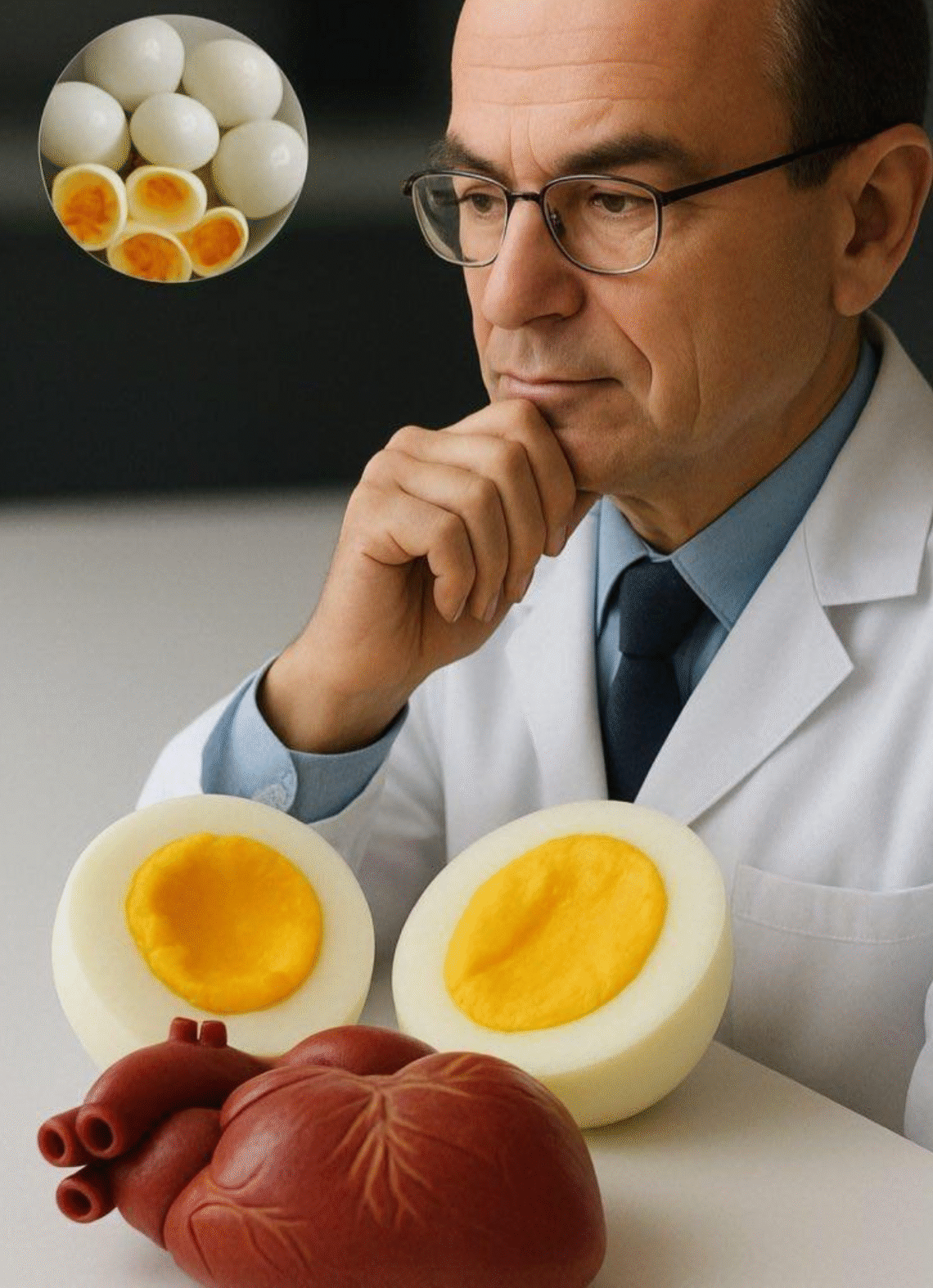
What Doctors Really Want You to Know About Cholesterol, Nutrition, and Cardiovascular Health
Few foods have experienced such a dramatic shift in reputation as eggs. Once praised as a complete source of nutrition, they were later criticized for their cholesterol content and linked—sometimes unfairly—to heart disease. Today, modern research has brought a more balanced understanding, especially when it comes to boiled eggs.
So what is the truth? Are boiled eggs harmful to your heart, or can they actually support cardiovascular health?
This in-depth guide explores what doctors and nutrition experts now understand about boiled eggs, separating long-standing myths from current scientific evidence.
1. The Nutritional Profile of Boiled Eggs: More Than Just Protein
Boiled eggs are often described as “nutrient-dense,” and for good reason. A single egg contains a wide range of essential nutrients in relatively small volume.
Key components include:
- High-quality protein (all essential amino acids)
- Healthy fats
- Vitamins such as B12, D, A, and E
- Minerals like selenium and phosphorus
- Choline, crucial for brain and liver function
Unlike many processed breakfast foods, boiled eggs provide a balanced mix of nutrients without added sugars or refined carbohydrates.
Why this matters for heart health:
A nutrient-dense food supports multiple systems in the body, including those directly linked to cardiovascular function.
2. Cholesterol: The Most Misunderstood Part of the Story
Eggs contain dietary cholesterol, primarily in the yolk. For decades, this led to the belief that eating eggs would raise blood cholesterol and increase the risk of heart disease.
However, modern research has clarified this relationship.
The Key Distinction:
- Dietary cholesterol (from food)
- Blood cholesterol (circulating in your body)
For most people:
- Eating cholesterol-rich foods does not significantly increase blood cholesterol levels
- The liver adjusts its own cholesterol production based on intake
This means that in healthy individuals, eggs do not automatically translate into higher cardiovascular risk.
3. The Role of HDL (“Good”) Cholesterol
Boiled eggs have been shown to increase levels of HDL cholesterol, often referred to as “good” cholesterol.
HDL helps:
- Remove excess cholesterol from the bloodstream
- Transport it to the liver for elimination
- Protect arteries from plaque buildup
Higher HDL levels are associated with a lower risk of heart disease.
4. LDL Cholesterol: It’s Not Just About Quantity
LDL cholesterol is often labeled “bad,” but the reality is more nuanced.
There are different types of LDL particles:
- Small, dense LDL (more harmful)
- Large, fluffy LDL (less harmful)
Research suggests that eggs may increase the larger, less dangerous type of LDL.
Implication:
The overall impact on heart health may be neutral or even beneficial, depending on the individual.
5. Boiled Eggs vs. Other Cooking Methods
How eggs are prepared matters significantly.
Boiled eggs:
- Contain no added fats
- Avoid oxidation caused by high-heat frying
- Preserve nutrient quality
Fried eggs:
- Often cooked in oils or butter
- May introduce unhealthy fats depending on the cooking medium
From a heart-health perspective, boiling is one of the safest and cleanest methods.
6. Inflammation and Oxidative Stress
Chronic inflammation is a major contributor to heart disease.
Eggs contain:
- Antioxidants such as lutein and zeaxanthin
- Nutrients that help reduce oxidative stress
These compounds support overall cellular health, including the lining of blood vessels.
7. Blood Pressure and Potassium Balance
While eggs are not a high-potassium food compared to fruits and vegetables, they still contribute to overall nutrient intake.
More importantly:
- They do not contribute to high sodium levels (unless heavily salted)
- They fit well into heart-healthy diets
Maintaining proper nutrient balance supports stable blood pressure.
8. Satiety, Weight Management, and Heart Health
One of the indirect ways boiled eggs support heart health is through weight control.
They:
- Increase satiety
- Reduce overall calorie intake
- Help maintain lean muscle mass
Excess body weight is a major risk factor for cardiovascular disease, so foods that support healthy weight management play an important role.
9. Special Considerations: Who Should Be Careful?
While eggs are safe for most people, certain groups should monitor their intake.
Individuals with Type 2 Diabetes
Some studies suggest a more complex relationship between egg consumption and heart risk in people with diabetes.
People with Genetic Cholesterol Sensitivity
A small percentage of individuals are “hyper-responders,” meaning their cholesterol levels increase more noticeably when consuming dietary cholesterol.
Those with Existing Heart Disease
Moderation is key, and dietary choices should be guided by a healthcare professional.
10. How Many Eggs Are Safe?
For most healthy individuals:
- 1–2 eggs per day is generally considered safe
- Some studies suggest even higher intake may be acceptable in active individuals
The key is overall dietary context:
- Balanced meals
- Plenty of vegetables
- Limited processed foods
11. The Bigger Picture: Eggs in a Heart-Healthy Diet
No single food determines heart health.
Boiled eggs are best viewed as part of a broader dietary pattern that includes:
- Fruits and vegetables
- Whole grains
- Healthy fats
- Lean proteins
When combined with these elements, eggs can fit comfortably into a heart-supportive lifestyle.
12. Common Myths About Eggs and Heart Health
Myth 1: Eggs Cause Heart Disease
Modern evidence does not support this for most people.
Myth 2: You Should Avoid Egg Yolks
The yolk contains most of the nutrients, including vitamins and choline.
Myth 3: Egg Whites Are Always Better
While lower in cholesterol, egg whites lack many important nutrients found in the yolk.
13. Long-Term Effects of Regular Egg Consumption
When eaten in moderation as part of a balanced diet, boiled eggs can contribute to:
- Improved nutrient intake
- Better satiety and weight control
- Stable energy levels
- Support for overall metabolic health
These factors indirectly support cardiovascular well-being.
14. What Doctors Really Want You to Understand
The modern medical perspective on eggs is far more nuanced than in the past.
Most doctors agree:
- Eggs are not the enemy they were once thought to be
- Dietary cholesterol is less impactful than previously believed
- Overall diet quality matters more than individual foods
They emphasize:
- Moderation
- Balance
- Individual health considerations

Welcome to my kitchen!
I’m a passionate home cook and recipe creator who loves turning simple ingredients into delicious, comforting meals that everyone can enjoy. Through this website, I share carefully prepared recipes, practical cooking tips, and easy-to-understand food education to help you feel more confident in the kitchen.
My goal is to make cooking simple, enjoyable, and accessible. Whether you are looking for a quick family dinner, a delicious dessert, healthy meal ideas, or traditional recipes with a modern touch, you’ll find inspiration here.
More Than Just Recipes
I believe that cooking is also a way to learn. That’s why this website is not only about recipes. I also create educational articles about ingredients, cooking techniques, kitchen tips, food preparation, and the stories behind different dishes.
Each article is designed to give you useful knowledge that you can apply in your own kitchen. From understanding how ingredients work together to learning better cooking methods, my aim is to help you become a more confident and creative cook.
My Philosophy
Good food doesn’t always require complicated ingredients or professional equipment. With a little knowledge, patience, and creativity, simple ingredients can become something truly special.
I believe in sharing recipes that are practical, clearly explained, and enjoyable to make. I also love exploring new flavors while appreciating traditional cooking and the recipes passed down through generations.
Thank you for visiting my kitchen and being part of this food-loving community. I hope my recipes and articles inspire you to cook, learn, experiment, and most importantly, enjoy every bite!
Happy cooking!