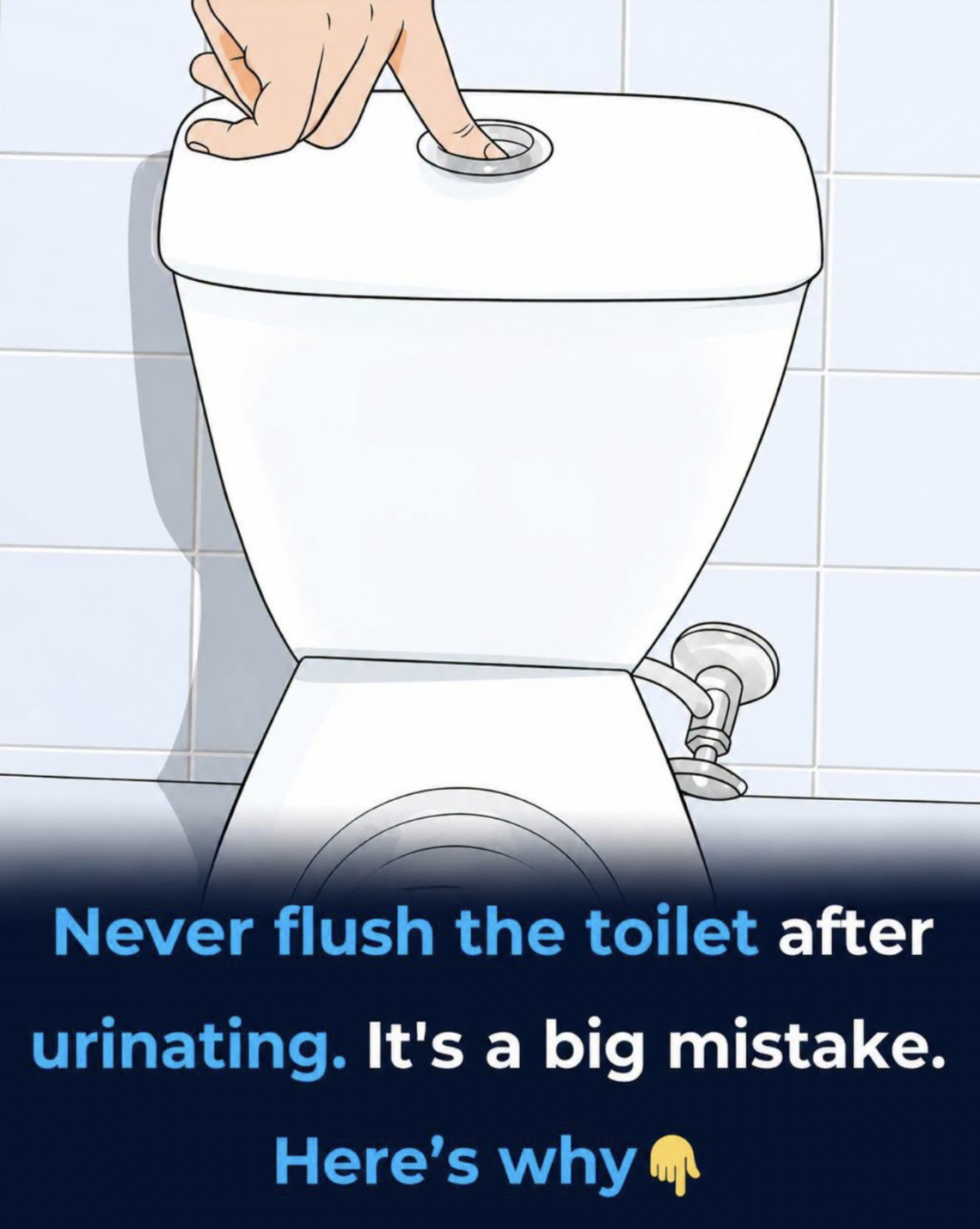
Flushing the toilet is one of those everyday habits that most people perform without giving it a second thought. From childhood, many of us are taught that every trip to the bathroom should end with a flush, and for good reason—regular flushing helps maintain cleanliness, removes waste, and reduces unpleasant odors. However, over the past several decades, another idea has gained attention, especially in regions affected by drought or water shortages: the practice commonly summarized by the phrase, “If it’s yellow, let it mellow; if it’s brown, flush it down.”
This saying refers specifically to urine and suggests that it is sometimes acceptable to delay flushing after urination in order to conserve water. While the phrase may sound like little more than a humorous slogan, it reflects a genuine discussion about environmental sustainability, household water consumption, and practical resource management. At the same time, it is important to understand that this practice is not universally recommended. Whether it is appropriate depends on several factors, including the condition of the toilet, the number of people using it, ventilation, cleaning habits, climate, and personal hygiene preferences.
Understanding both the benefits and the potential drawbacks can help you decide whether this approach makes sense for your household.
Why This Practice Exists
The primary reason some people choose not to flush after every urination is water conservation.
Modern toilets use clean drinking-quality water every time they are flushed. Although newer high-efficiency toilets use significantly less water than older models, flushing still accounts for a considerable portion of daily household water consumption.
In areas where water supplies are limited, reducing unnecessary flushing can help conserve a valuable natural resource.
Environmental organizations, municipalities, and households facing drought conditions sometimes encourage water-saving habits, including delaying the flush after urination when appropriate.
How Much Water Does a Toilet Use?
The amount of water used depends on the age and design of the toilet.
Typical water usage includes:
- Older toilets manufactured before water-efficiency standards may use 3.5 to 7 gallons (13–26 liters) per flush.
- Standard modern toilets generally use around 1.6 gallons (6 liters) per flush.
- High-efficiency toilets may use approximately 1.28 gallons (4.8 liters) per flush.
- Dual-flush toilets often provide a smaller flush for liquid waste and a larger flush for solid waste, reducing unnecessary water use.
Even with efficient toilets, multiple flushes throughout the day can add up, especially in larger households.
How Much Water Could Be Saved?
Consider a family of four.
If each person urinates several times a day and skips only a few flushes, the household may save hundreds or even thousands of gallons of water over the course of a year.
The exact amount depends on:
- The number of household members.
- Toilet efficiency.
- Frequency of flushing.
- Daily bathroom habits.
Water conservation becomes especially meaningful in regions experiencing drought, water restrictions, or limited freshwater supplies.
What Is Urine Made Of?
Fresh urine from a healthy, well-hydrated person is typically composed of approximately:
- About 95% water.
- Urea.
- Electrolytes.
- Creatinine.
- Small amounts of minerals.
- Natural metabolic waste products.
Under normal circumstances, freshly produced urine inside the urinary tract is generally considered to contain very few or no harmful microorganisms in healthy individuals.
However, once urine enters the toilet, it begins interacting with bacteria naturally present in the environment.
Why Odors Develop
Many people notice that toilets begin to smell unpleasant if urine remains in the bowl for long periods.
This occurs because naturally occurring bacteria begin breaking down urea into ammonia.
Ammonia has a strong, recognizable odor that becomes more noticeable over time.
Factors that increase odor include:
- Warm temperatures.
- Poor ventilation.
- Multiple uses before flushing.
- Hard water mineral deposits.
- Infrequent toilet cleaning.
For this reason, even households that occasionally delay flushing usually perform a complete flush regularly throughout the day.
Potential Hygiene Considerations
Although urine itself is generally less problematic than feces from a sanitation standpoint, leaving it in the toilet for extended periods may have some disadvantages.
These include:
- Increased odor.
- Mineral deposits forming inside the bowl.
- Staining caused by hard water and urine minerals.
- More frequent bacterial growth on toilet surfaces.
- Increased cleaning requirements.
Bathrooms shared by many people are generally less suitable for delayed flushing because repeated use can quickly create odors and visible residue.
Toilet Maintenance
Regular flushing also helps maintain the toilet itself.
Water movement helps remove minerals and waste before they accumulate.
Without sufficient flushing, toilets may develop:
- Yellow staining.
- Calcium buildup.
- Limescale deposits.
- Mineral rings.
- More stubborn cleaning challenges.
Routine cleaning becomes especially important if flushing is delayed.
Situations Where Delaying a Flush May Be Reasonable
Some households may choose to delay flushing after urination under circumstances such as:
- Water shortages.
- Drought conditions.
- Rural homes using rainwater systems.
- Off-grid living.
- Emergency water conservation.
- Temporary plumbing limitations.
In these situations, balancing hygiene with water conservation may be appropriate.
Situations Where Immediate Flushing Is Usually Better
Immediate flushing is generally preferable when:
- The bathroom is used by many people.
- Someone has a urinary tract infection.
- Strong odors develop quickly.
- The climate is hot and humid.
- The toilet stains easily.
- Guests are visiting.
- Good hygiene is a priority in shared spaces.
Environmental Benefits of Conserving Water
Reducing unnecessary water use offers several environmental advantages.
Water conservation can help:
- Preserve freshwater supplies.
- Reduce energy used for water treatment.
- Lower wastewater treatment demands.
- Decrease household utility costs.
- Protect ecosystems affected by drought.
- Improve long-term sustainability.
Although a single skipped flush saves only a small amount of water, the cumulative effect across many households can be substantial.
Other Ways to Save Water
If you want to reduce water consumption without changing your flushing habits, consider:
- Installing a high-efficiency toilet.
- Using a dual-flush system.
- Repairing leaking toilets.
- Fixing dripping faucets.
- Taking shorter showers.
- Running full dishwasher loads.
- Running full washing machine loads.
- Installing water-saving fixtures.
- Collecting rainwater for outdoor use where permitted.
These measures often save even more water than skipping occasional flushes.
Common Myths
Myth: Urine Is Completely Sterile Forever
Fresh urine from a healthy person generally contains very few microorganisms, but once exposed to the environment, bacteria begin multiplying.
Myth: Never Flushing Is Good for the Environment
Completely avoiding flushing is not recommended.
Eventually, odor, staining, and hygiene concerns outweigh any water savings.
Myth: Delaying Every Flush Is Safe Everywhere
The suitability of this practice depends on climate, household size, ventilation, cleaning habits, and local conditions.
Tips If You Choose to Delay Flushing Occasionally
If your household decides to skip some flushes for water conservation, consider these practices:
- Flush regularly throughout the day.
- Clean the toilet frequently.
- Ensure good bathroom ventilation.
- Address odors promptly.
- Watch for mineral buildup.
- Keep the toilet bowl clean.
- Wash your hands thoroughly after every bathroom visit.
Frequently Asked Questions
Is urine dangerous if left in the toilet?
Fresh urine from a healthy person is generally lower risk than feces, but leaving it in the bowl for extended periods can contribute to odor, mineral buildup, and bacterial growth on toilet surfaces.
Does skipping a flush save much water?
Each skipped flush saves the amount of water your toilet normally uses, which can add up over time, especially in larger households.
Is this practice suitable for every home?
No. Homes with many occupants, poor ventilation, or concerns about odor and cleanliness may prefer flushing after every use.
Can delayed flushing damage the toilet?
Not directly, but infrequent flushing may contribute to mineral deposits, staining, and increased cleaning needs if the bowl is not maintained.
Is flushing after every use still a good habit?
Yes. Flushing after every use remains the simplest way to maintain cleanliness, minimize odors, and reduce residue. Choosing to delay flushing for urine is mainly a water-conservation strategy that some households adopt under specific circumstances.
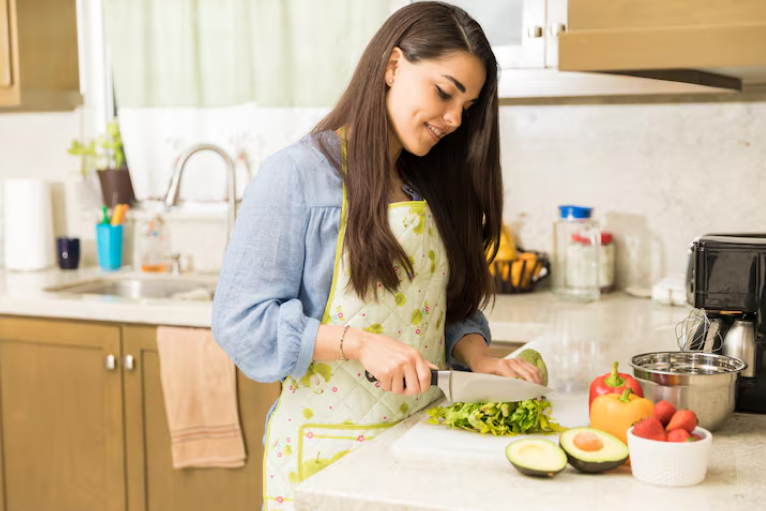
Welcome to my kitchen!
I’m a passionate home cook and recipe creator who loves turning simple ingredients into delicious, comforting meals that everyone can enjoy. Through this website, I share carefully prepared recipes, practical cooking tips, and easy-to-understand food education to help you feel more confident in the kitchen.
My goal is to make cooking simple, enjoyable, and accessible. Whether you are looking for a quick family dinner, a delicious dessert, healthy meal ideas, or traditional recipes with a modern touch, you’ll find inspiration here.
More Than Just Recipes
I believe that cooking is also a way to learn. That’s why this website is not only about recipes. I also create educational articles about ingredients, cooking techniques, kitchen tips, food preparation, and the stories behind different dishes.
Each article is designed to give you useful knowledge that you can apply in your own kitchen. From understanding how ingredients work together to learning better cooking methods, my aim is to help you become a more confident and creative cook.
My Philosophy
Good food doesn’t always require complicated ingredients or professional equipment. With a little knowledge, patience, and creativity, simple ingredients can become something truly special.
I believe in sharing recipes that are practical, clearly explained, and enjoyable to make. I also love exploring new flavors while appreciating traditional cooking and the recipes passed down through generations.
Thank you for visiting my kitchen and being part of this food-loving community. I hope my recipes and articles inspire you to cook, learn, experiment, and most importantly, enjoy every bite!
Happy cooking!