Walk into almost any modern kitchen, and you’ll likely notice that the kitchen island serves as much more than just an extra countertop. It has become the centerpiece of the home—a place where meals are prepared, conversations naturally unfold, children complete homework, guests gather during celebrations, and families share everyday moments. Whether the kitchen is large or small, the island often functions as a workspace, dining area, storage solution, and social hub all at once.
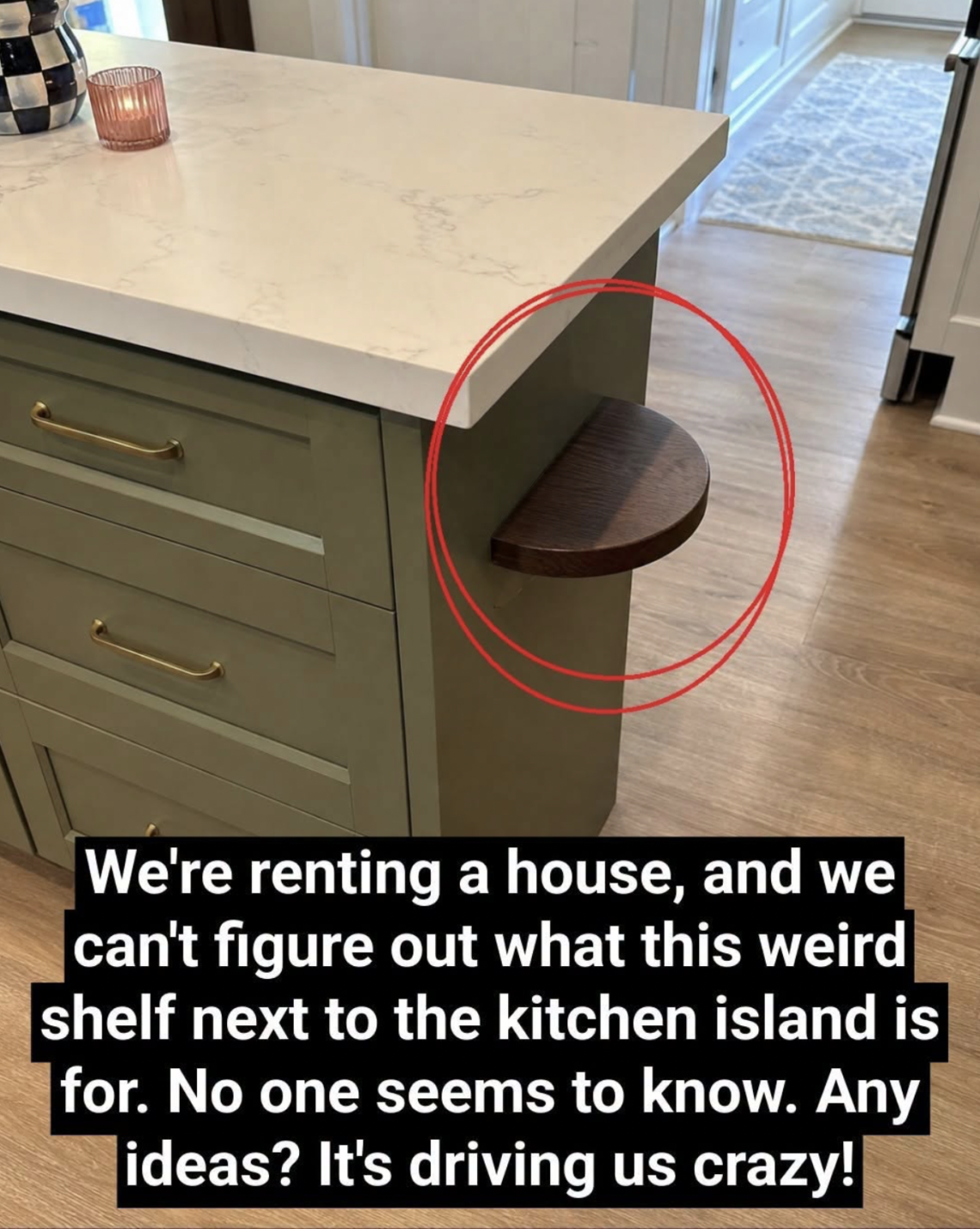
Yet among the many features of a kitchen island, there is one small design detail that frequently puzzles homeowners: the little ledge or narrow shelf built into the island. Depending on the design, it may appear as a shallow recessed shelf on the side of the cabinetry, a small raised lip running along part of the countertop edge, or a narrow overhang that seems almost too small to have a purpose. Because it is often subtle and understated, many people assume it is simply decorative or perhaps even a construction quirk.
In reality, these small ledges are usually the result of thoughtful design. While not every kitchen island includes them, and not every ledge serves the same purpose, many of these features were intentionally added to improve organization, protect surfaces, increase functionality, or provide convenient storage. Their exact role depends on the style of the island, the cabinet maker’s design, and the homeowner’s needs.
Understanding these small architectural details can help you make better use of your kitchen and appreciate the careful planning that often goes into quality cabinetry.
Why Kitchen Islands Have Small Ledges
Kitchen islands are designed to maximize efficiency without taking up unnecessary space.
A small ledge can serve several practical functions, including:
- Creating additional storage.
- Protecting cabinet surfaces.
- Improving organization.
- Providing decorative display space.
- Increasing convenience while cooking.
- Making frequently used items easier to reach.
Rather than wasting valuable space, designers often incorporate these features into the island to improve everyday usability.
1. A Convenient Display Shelf
One of the most common purposes of a recessed island shelf is decorative display.
Many homeowners use it to showcase attractive kitchen accessories such as:
- Cookbooks.
- Decorative bowls.
- Small baskets.
- Plants.
- Candles.
- Seasonal decorations.
- Ceramic pitchers.
- Handmade pottery.
- Wooden serving boards.
Unlike upper cabinets, these shelves allow decorative pieces to remain visible while still being easily accessible.
Because they are built directly into the cabinetry, they create visual interest without occupying additional floor space.
2. Storage for Frequently Used Cookbooks
Before digital recipes became common, cookbooks were among the most frequently used items in the kitchen.
Many kitchen islands were designed with narrow shelves that perfectly fit cookbooks.
Keeping recipes close to the food preparation area allows cooks to reference instructions without repeatedly walking across the kitchen.
Even today, many people continue to enjoy cooking from printed recipe books.
The shelf provides an ideal location for storing:
- Favorite family recipes.
- Baking books.
- International cookbooks.
- Meal-planning binders.
- Recipe magazines.
3. Easy Access During Meal Preparation
One of the guiding principles of good kitchen design is keeping frequently used items within easy reach.
A small island shelf can conveniently hold:
- Mixing bowls.
- Measuring cups.
- Kitchen towels.
- Oven mitts.
- Salt and pepper mills.
- Frequently used spices.
- Small cutting boards.
Having these items close at hand improves workflow and reduces unnecessary movement while cooking.
4. Extra Storage Without Bulk
Kitchen storage is always valuable.
Even a shallow shelf adds useful storage without making the island appear bulky.
Homeowners often use these spaces for:
- Serving platters.
- Trays.
- Bread baskets.
- Small appliances.
- Storage containers.
- Reusable shopping bags.
Because these shelves are open, stored items remain visible and easy to access.
5. Protecting Cabinet Doors
Some raised countertop lips serve a practical protective purpose.
The slight overhang helps prevent:
- Water from running directly onto cabinet doors.
- Liquid spills from dripping down the cabinetry.
- Small food particles from falling between surfaces.
- Everyday wear caused by frequent contact.
This small design feature can extend the appearance and longevity of cabinet finishes.
6. Creating Comfortable Seating
Many islands include a countertop overhang that functions as a seating ledge.
Although larger than decorative shelves, these overhangs provide:
- Legroom for bar stools.
- Comfortable dining space.
- Informal breakfast seating.
- Extra workspace for guests.
- A gathering place during social events.
The overhang allows people to sit comfortably without their knees pressing against the cabinets.
7. Organizing Everyday Essentials
Many homeowners discover that these shelves naturally become organizational stations.
They may hold:
- Mail.
- Grocery lists.
- Shopping bags.
- Tablets.
- Charging stations.
- Notebooks.
- Calendars.
Keeping frequently used household items in one location can help reduce countertop clutter.
8. Displaying Personal Style
Open shelving allows homeowners to personalize their kitchens.
Popular decorative items include:
- Fresh flowers.
- Family photographs.
- Seasonal wreaths.
- Antique kitchen tools.
- Decorative jars.
- Handmade ceramics.
- Vintage scales.
- Artisan pottery.
Changing these displays throughout the year keeps the kitchen feeling fresh and inviting.
Design Considerations
Cabinet makers often include these shelves to improve both beauty and functionality.
Their size and placement depend on:
- Kitchen layout.
- Island dimensions.
- Cabinet style.
- Available storage.
- Intended use.
- Homeowner preferences.
No two kitchen islands are exactly alike.
How to Keep the Shelf Organized
Because open shelves remain visible, organization is important.
Helpful strategies include:
- Avoid overcrowding.
- Group similar items together.
- Use baskets for smaller objects.
- Clean regularly.
- Rotate seasonal decorations.
- Leave some empty space for a balanced appearance.
A tidy shelf contributes to a calm, welcoming kitchen.
Cleaning Tips
Since these shelves are open, they naturally collect dust more quickly than closed cabinets.
Routine maintenance includes:
- Wiping with a damp microfiber cloth.
- Dusting weekly.
- Removing grease buildup.
- Cleaning decorative items.
- Checking for water spots.
- Polishing wood surfaces when appropriate.
Regular cleaning keeps the shelf attractive and functional.
Common Mistakes
Some homeowners unintentionally reduce the usefulness of these shelves by:
- Overloading them with clutter.
- Storing heavy appliances.
- Blocking access with oversized decorations.
- Allowing dust to accumulate.
- Ignoring organization.
Simple, intentional styling often works best.
Creative Ideas for Using the Shelf
Depending on its size, you might use it for:
- Coffee supplies.
- Tea collection.
- Baking ingredients in glass jars.
- Fresh herbs.
- Fruit baskets.
- Children’s coloring supplies.
- Wine bottles.
- Cutting boards.
- Linen napkins.
- Decorative serving dishes.
The possibilities are nearly endless.
Frequently Asked Questions
Is every kitchen island shelf designed for the same purpose?
No. Different manufacturers and cabinet makers incorporate shelves and ledges for different functional or decorative reasons.
Is the shelf only decorative?
Not necessarily. While many homeowners use it for decoration, it often provides practical storage as well.
Can I store heavy appliances there?
Only if the shelf is specifically designed to support the weight. Always follow the manufacturer’s recommendations.
Why do some islands have a raised lip along the countertop?
A raised lip can help contain small spills, protect cabinetry, and create a finished appearance.
Can I modify my island to include a shelf?
In many cases, yes. A skilled cabinet maker can often add open shelving or storage features during a renovation.

Welcome to my kitchen!
I’m a passionate home cook and recipe creator who loves turning simple ingredients into delicious, comforting meals that everyone can enjoy. Through this website, I share carefully prepared recipes, practical cooking tips, and easy-to-understand food education to help you feel more confident in the kitchen.
My goal is to make cooking simple, enjoyable, and accessible. Whether you are looking for a quick family dinner, a delicious dessert, healthy meal ideas, or traditional recipes with a modern touch, you’ll find inspiration here.
More Than Just Recipes
I believe that cooking is also a way to learn. That’s why this website is not only about recipes. I also create educational articles about ingredients, cooking techniques, kitchen tips, food preparation, and the stories behind different dishes.
Each article is designed to give you useful knowledge that you can apply in your own kitchen. From understanding how ingredients work together to learning better cooking methods, my aim is to help you become a more confident and creative cook.
My Philosophy
Good food doesn’t always require complicated ingredients or professional equipment. With a little knowledge, patience, and creativity, simple ingredients can become something truly special.
I believe in sharing recipes that are practical, clearly explained, and enjoyable to make. I also love exploring new flavors while appreciating traditional cooking and the recipes passed down through generations.
Thank you for visiting my kitchen and being part of this food-loving community. I hope my recipes and articles inspire you to cook, learn, experiment, and most importantly, enjoy every bite!
Happy cooking!