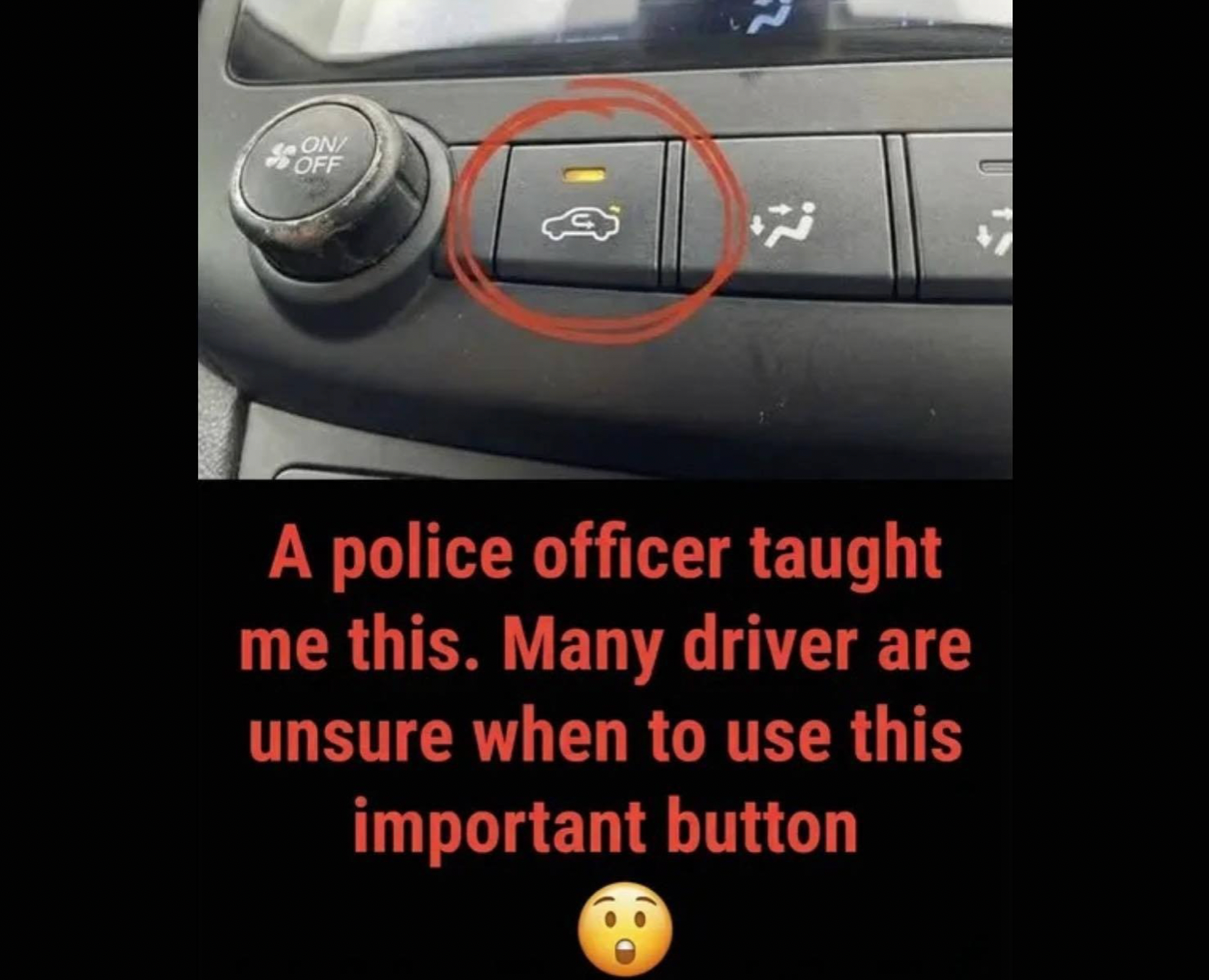
That small icon on your dashboard—a car with a looping arrow inside—often goes unnoticed.
It doesn’t flash.
It doesn’t make noise.
It doesn’t demand attention.
Yet this quiet little control—the air recirculation button—has a powerful effect on your comfort, your air quality, and even your driving efficiency.
Most drivers either ignore it… or use it without really understanding what it does.
But once you know how it works, you’ll start using it very differently.
What Is the Air Recirculation System?
The air recirculation button is part of your car’s climate control system.
When activated, it changes where the air inside your car comes from.
Instead of pulling fresh air from outside, the system:
- Takes the air already inside the cabin
- Circulates it again through the ventilation system
When turned off, the car brings in outside air continuously.
So the choice is simple:
- ON → Reuse inside air
- OFF → Bring in outside air
But the effects of that choice are much bigger than they seem.
Why This Small Button Matters
At first glance, it might seem like a minor feature.
But in reality, it directly affects:
- Temperature control
- Air quality
- Energy use
- Driving comfort
It’s one of those features that works quietly in the background—but changes your entire experience.
1. Faster Cooling in Hot Weather
One of the biggest advantages of using air recirculation is cooling efficiency.
Imagine your car has been sitting under the sun.
The air inside is already hot.
If your system keeps pulling in hot air from outside, the air conditioning has to work much harder.
But when you turn on recirculation:
- The system cools the already-conditioned air
- The temperature drops faster
- The cabin becomes comfortable sooner
This reduces strain on your air conditioning system and improves performance.
2. Improved Fuel Efficiency
This is something many drivers don’t realize.
When your air conditioning system works harder, it uses more energy—and that energy comes from fuel.
By using recirculated air:
- The system cools faster
- The compressor runs more efficiently
- Less fuel is consumed over time
While the difference may seem small, it adds up—especially during long drives or hot seasons.
3. Protection from Pollution and Dust
Driving in traffic or dusty environments exposes your car to polluted air.
When recirculation is OFF:
- Outside air enters the cabin
- Dust, fumes, and pollutants come in
When recirculation is ON:
- The system blocks most outside air
- The cabin air is filtered and reused
This is especially useful in:
- Heavy traffic
- Industrial areas
- Dusty roads
It helps keep the air inside your car cleaner and easier to breathe.
4. Better Performance in Extreme Conditions
In very hot or very cold weather, recirculation helps maintain stable conditions inside the car.
Instead of constantly adjusting to outside air:
- The system stabilizes the temperature
- The cabin stays consistent
- Comfort improves significantly
5. When You Should NOT Use It
Despite its benefits, recirculation is not always the best choice.
There are situations where turning it OFF is better.
A. When Windows Fog Up
Recirculating air increases humidity inside the car.
This can cause:
- Foggy windows
- Reduced visibility
In this case, bringing in fresh air helps remove moisture and clear the glass.
B. During Long Drives
Over time, recirculated air can become stale.
This may lead to:
- Reduced oxygen levels
- Feeling tired or drowsy
Bringing in fresh air occasionally keeps the cabin feeling fresh and alert.
C. In Mild Weather
If the outside air is clean and comfortable, using fresh air can be more pleasant than recirculating the same air.
6. How It Affects Air Quality Inside the Car
Many people assume recirculation always improves air quality—but it depends.
Benefits:
- Reduces exposure to pollution
- Limits dust and fumes
Drawbacks:
- Air can become stale over time
- Moisture can build up
The best approach is balance:
Use recirculation when needed, but switch back to fresh air regularly.
7. The Psychology of Comfort
Interestingly, this small button also affects how you feel while driving.
A well-controlled cabin:
- Reduces stress
- Improves focus
- Makes long drives more enjoyable
When temperature and air quality are balanced, your body relaxes—even if you don’t consciously notice it.
8. Common Mistakes Drivers Make
Many drivers:
- Leave recirculation OFF all the time
- Or leave it ON constantly
Both approaches are not ideal.
The key is to adjust based on conditions.
9. Smart Usage Tips
To get the most out of your air recirculation system:
- Use it in hot weather to cool faster
- Turn it on in heavy traffic or pollution
- Turn it off if windows fog up
- Switch to fresh air during long drives
Think of it as a tool—not a fixed setting.
10. Why It’s Often Overlooked
The air recirculation button is easy to ignore because:
- It’s small
- It’s quiet
- It doesn’t give obvious feedback
But its impact is subtle and continuous—shaping your driving experience without drawing attention.

Welcome to my kitchen!
I’m a passionate home cook and recipe creator who loves turning simple ingredients into delicious, comforting meals that everyone can enjoy. Through this website, I share carefully prepared recipes, practical cooking tips, and easy-to-understand food education to help you feel more confident in the kitchen.
My goal is to make cooking simple, enjoyable, and accessible. Whether you are looking for a quick family dinner, a delicious dessert, healthy meal ideas, or traditional recipes with a modern touch, you’ll find inspiration here.
More Than Just Recipes
I believe that cooking is also a way to learn. That’s why this website is not only about recipes. I also create educational articles about ingredients, cooking techniques, kitchen tips, food preparation, and the stories behind different dishes.
Each article is designed to give you useful knowledge that you can apply in your own kitchen. From understanding how ingredients work together to learning better cooking methods, my aim is to help you become a more confident and creative cook.
My Philosophy
Good food doesn’t always require complicated ingredients or professional equipment. With a little knowledge, patience, and creativity, simple ingredients can become something truly special.
I believe in sharing recipes that are practical, clearly explained, and enjoyable to make. I also love exploring new flavors while appreciating traditional cooking and the recipes passed down through generations.
Thank you for visiting my kitchen and being part of this food-loving community. I hope my recipes and articles inspire you to cook, learn, experiment, and most importantly, enjoy every bite!
Happy cooking!