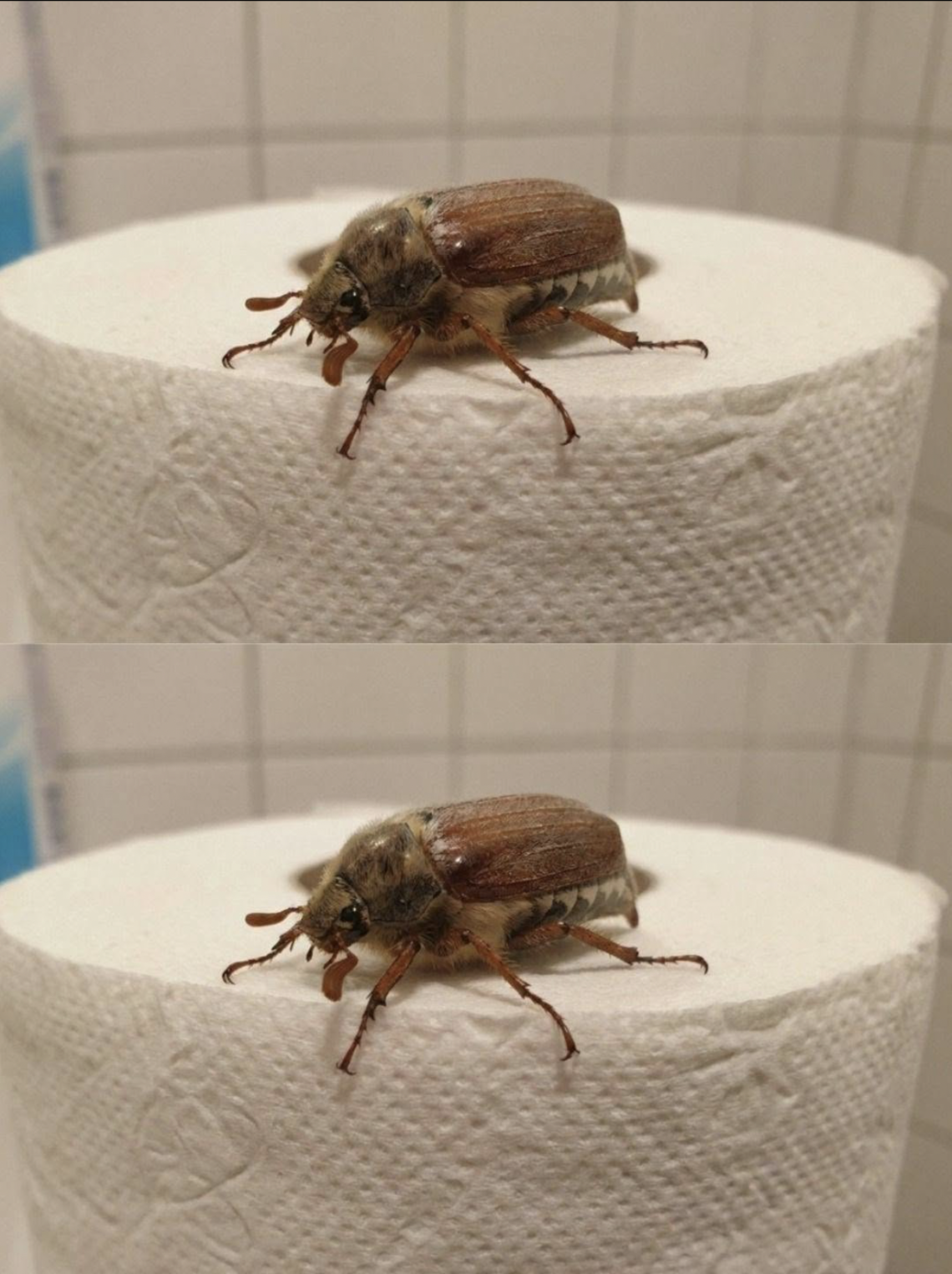
Few things interrupt a peaceful day quite like spotting an unfamiliar bug crawling across the kitchen floor, resting on a windowsill, or flying around a bedroom light. Even people who are generally comfortable with nature often pause for a moment when they encounter an insect they don’t recognize. Questions immediately come to mind: What is it? Is it dangerous? Could there be more hiding somewhere? Should I be worried about my home or my family’s health?
The good news is that most insects found in homes are either harmless or simply accidental visitors that wandered inside through an open door, a window, or a small crack. While a few pests may require attention because they can damage property or contaminate food, the vast majority pose little or no threat to people.
The key is not to panic. Instead, take a close look, observe its appearance and behavior, and identify it before deciding what action—if any—is necessary.
This guide will help you recognize many of the most common household bugs, understand why they appear, learn whether they are harmful, and discover practical ways to manage them safely and effectively.
Why Do Bugs Come Inside Homes?
Insects rarely enter homes without a reason.
Like all living creatures, they are searching for basic necessities such as:
- Food
- Water
- Warmth
- Shelter
- Safe places to reproduce
- Protection from harsh weather
Seasonal changes also influence insect activity. During cold weather, many species look for warm indoor hiding places. In hot, dry weather, others may enter homes searching for moisture.
The First Step: Stay Calm and Observe
When you notice an unfamiliar bug, avoid crushing it immediately if possible.
Instead, take a moment to observe:
- Its size
- Body shape
- Color
- Number of legs
- Whether it has wings
- How fast it moves
- Where you found it
These details can make identification much easier.
If possible, take a clear photograph before removing it.
Common Household Bugs You May Encounter
Ants
Ants are among the most common indoor insects.
They often enter homes in search of:
- Sugar
- Crumbs
- Pet food
- Water
Most ants are harmless, although large numbers can become a nuisance.
Signs
- Long trails of tiny insects
- Activity around food
- Nests near walls or foundations
Prevention
- Wipe up spills promptly.
- Store food in sealed containers.
- Seal small entry points around doors and windows.
House Spiders
Although many people fear spiders, most common house spiders are harmless and actually help reduce other insect populations.
They feed on:
- Flies
- Mosquitoes
- Moths
- Small insects
Signs
- Webs in corners
- Solitary spiders near windows
- Egg sacs in quiet areas
What to Do
If you prefer not to keep them indoors, gently capture them with a container and release them outside.
Ladybugs
Ladybugs are generally considered beneficial insects.
They eat plant pests such as aphids and often gather indoors during cooler months while searching for sheltered places to overwinter.
They do not damage homes.
Silverfish
Silverfish are small, wingless insects with shiny, silvery bodies.
They thrive in:
- Bathrooms
- Basements
- Laundry rooms
- Closets
They feed on materials containing starches and sugars, including paper, glue, cardboard, and some fabrics.
Reducing indoor humidity often helps discourage them.
Carpet Beetles
Adult carpet beetles are small and often patterned.
The larvae—not the adults—cause damage by feeding on:
- Wool
- Fur
- Feathers
- Natural fibers
- Stored fabrics
Regular vacuuming and proper storage of textiles can reduce problems.
Cockroaches
Cockroaches are among the most unwanted household pests.
They prefer:
- Warm environments
- Moisture
- Food scraps
Their presence may indicate conditions that support breeding.
Good sanitation, moisture control, and sealing entry points are important steps in prevention.
Bed Bugs
Bed bugs are small insects that feed on blood, usually at night.
They often hide in:
- Mattresses
- Bed frames
- Furniture seams
- Cracks near sleeping areas
Signs may include:
- Small blood spots on bedding
- Tiny dark stains
- Itchy bites (although bites alone cannot confirm bed bugs)
Because infestations can be difficult to eliminate, professional assistance is often necessary.
Termites
Termites feed primarily on wood and other cellulose materials.
Unlike many insects, they may remain hidden for long periods while causing structural damage.
Possible warning signs include:
- Hollow-sounding wood
- Mud tubes
- Discarded wings
- Sagging floors or doors
Early inspection can help limit damage.
Earwigs
Earwigs are recognizable by the pincers at the end of their bodies.
Despite old myths, they do not crawl into people’s ears.
They prefer damp outdoor environments and occasionally wander indoors.
They are generally harmless.
Stink Bugs
These shield-shaped insects become more noticeable in autumn.
If disturbed or crushed, they release a strong odor as a defense mechanism.
They do not bite, sting, or damage homes significantly.
Drain Flies
Drain flies are tiny, fuzzy insects often found near:
- Bathroom drains
- Kitchen sinks
- Floor drains
They breed in organic buildup inside plumbing.
Cleaning drains thoroughly can help reduce their numbers.
Fruit Flies
Fruit flies are attracted to:
- Overripe fruit
- Vegetable scraps
- Fermenting liquids
- Recycling containers
Removing food sources usually eliminates infestations quickly.
Mosquitoes
Mosquitoes often enter through open doors and windows.
They are attracted by:
- Carbon dioxide
- Body heat
- Standing water nearby
Window screens and eliminating standing water outdoors can reduce mosquito activity.
Are Household Bugs Dangerous?
Most are not.
However, some insects may:
- Trigger allergies
- Damage property
- Contaminate food
- Bite or sting
- Spread disease in certain circumstances
Correct identification is important before deciding on treatment.
Natural Ways to Discourage Household Bugs
Many homeowners prefer starting with simple preventive measures.
These include:
- Keeping kitchens clean.
- Storing food in airtight containers.
- Repairing leaking pipes.
- Reducing indoor humidity.
- Sealing cracks around doors and windows.
- Emptying trash regularly.
- Vacuuming frequently.
- Keeping outdoor vegetation trimmed away from the home.
These habits often reduce insect activity without relying heavily on pesticides.
When Should You Call a Pest Professional?
Professional inspection may be appropriate if you notice:
- Large numbers of insects
- Repeated infestations
- Structural damage
- Persistent cockroach activity
- Suspected termites
- Confirmed bed bugs
- Extensive wasp nests in unsafe locations
Experts can identify the species accurately and recommend appropriate treatment.
What If You Find an Unknown Bug?
If you cannot identify it:
- Take a clear photograph.
- Note where you found it.
- Observe its size and behavior.
- Avoid handling it directly.
- Compare it with reliable identification guides or consult a local extension service or pest professional.
Accurate identification helps prevent unnecessary worry.
Common Myths About Household Bugs
Myth: Every spider is dangerous.
False. Most household spiders are harmless and beneficial.
Myth: Seeing one cockroach always means your home is dirty.
Not necessarily. Cockroaches can enter even clean homes in search of food, water, or shelter.
Myth: Earwigs crawl into people’s ears.
No scientific evidence supports this old myth.
Myth: Every bug bite is dangerous.
Most insect bites are minor, although some people may experience allergic reactions or require medical attention depending on the insect and their individual sensitivity.
Frequently Asked Questions
Should I remove every bug I find?
Not always. Many insects are harmless or even beneficial. Identification should come before deciding how to respond.
Why do bugs appear after heavy rain?
Rain may flood underground nests or drive insects indoors in search of dry shelter.
Why do insects gather around lights?
Many flying insects navigate using natural light sources. Artificial lights can interfere with this navigation, attracting them at night.
Can insects survive winter indoors?
Yes. Heated homes provide shelter for many species throughout colder months.
Interesting Facts About Insects
Scientists have identified well over one million insect species, and many more are believed to exist. Insects play essential roles in ecosystems by pollinating plants, recycling organic matter, controlling other insect populations, and serving as food for birds, fish, reptiles, and mammals. While a small percentage become household pests, most insects contribute positively to the natural environment and rarely interact with humans.

Welcome to my kitchen!
I’m a passionate home cook and recipe creator who loves turning simple ingredients into delicious, comforting meals that everyone can enjoy. Through this website, I share carefully prepared recipes, practical cooking tips, and easy-to-understand food education to help you feel more confident in the kitchen.
My goal is to make cooking simple, enjoyable, and accessible. Whether you are looking for a quick family dinner, a delicious dessert, healthy meal ideas, or traditional recipes with a modern touch, you’ll find inspiration here.
More Than Just Recipes
I believe that cooking is also a way to learn. That’s why this website is not only about recipes. I also create educational articles about ingredients, cooking techniques, kitchen tips, food preparation, and the stories behind different dishes.
Each article is designed to give you useful knowledge that you can apply in your own kitchen. From understanding how ingredients work together to learning better cooking methods, my aim is to help you become a more confident and creative cook.
My Philosophy
Good food doesn’t always require complicated ingredients or professional equipment. With a little knowledge, patience, and creativity, simple ingredients can become something truly special.
I believe in sharing recipes that are practical, clearly explained, and enjoyable to make. I also love exploring new flavors while appreciating traditional cooking and the recipes passed down through generations.
Thank you for visiting my kitchen and being part of this food-loving community. I hope my recipes and articles inspire you to cook, learn, experiment, and most importantly, enjoy every bite!
Happy cooking!