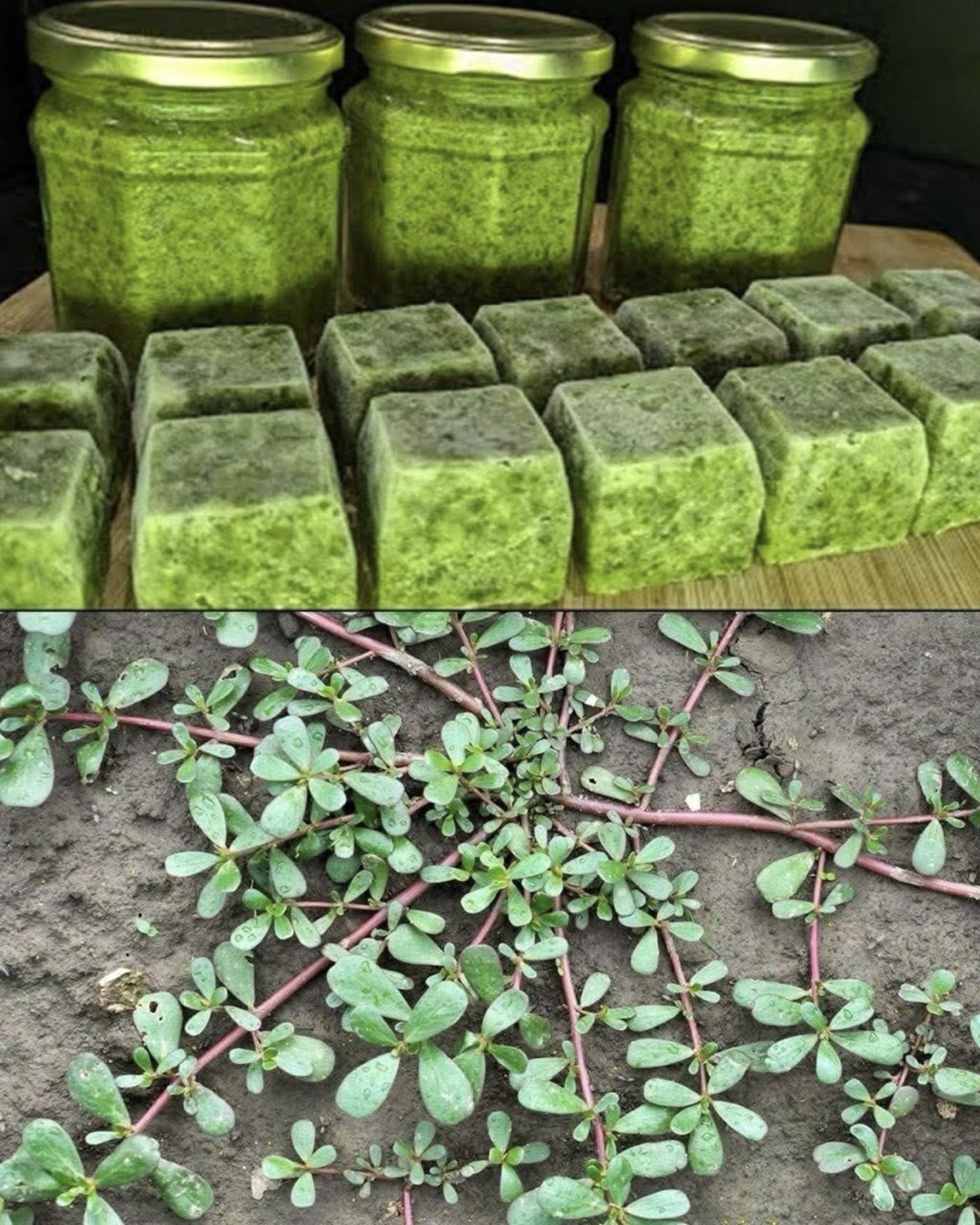
The Overlooked Superfood That May Support Healthy Aging in Surprising Ways
In many parts of the world, purslane grows quietly in gardens, sidewalks, and even between cracks in concrete. Often dismissed as a weed, this resilient plant has been used for centuries in traditional diets and natural medicine.
But in recent years, scientists and nutrition experts have begun to take a closer look—and what they’ve found is remarkable. Purslane is one of the most nutrient-dense leafy greens available, especially notable for its high levels of omega-3 fatty acids, antioxidants, vitamins, and minerals.
For adults over 60, when the body undergoes natural changes in metabolism, bone density, cardiovascular health, and inflammation levels, adding nutrient-rich foods like purslane may offer meaningful support.
So what actually happens when you eat purslane every day—particularly as you age?
Let’s explore the real, science-based effects.
1. A Powerful Nutritional Boost for Aging Bodies
As we get older, the body becomes less efficient at absorbing and utilizing nutrients. This makes nutrient density more important than ever.
Purslane contains:
- Omega-3 fatty acids (especially ALA)
- Vitamin A, C, and E
- Magnesium
- Potassium
- Iron
- Antioxidants such as betalains
What happens in your body:
- Nutrient levels are replenished more efficiently
- Cells receive stronger antioxidant protection
- Vital systems get support without excess calories
For older adults, this means more benefit from smaller portions—a key factor in healthy aging.
2. Heart Health Support: A Rare Plant Source of Omega-3s
One of the most unique features of purslane is its unusually high content of plant-based omega-3 fatty acids.
Omega-3s are known to:
- Reduce inflammation
- Support healthy blood vessels
- Improve lipid balance
As cardiovascular risk increases with age, regular intake of omega-3s becomes increasingly important.
Potential effects:
- Improved circulation
- Reduced risk of plaque buildup
- Better overall heart function
For those who don’t consume fish regularly, purslane offers a valuable alternative source.
3. Anti-Inflammatory Effects
Chronic low-grade inflammation is a major factor in aging and is linked to many conditions, including:
- Joint pain
- Heart disease
- Cognitive decline
Purslane contains compounds that help reduce inflammation at the cellular level.
What this means:
- Less strain on joints
- Reduced tissue damage over time
- Support for long-term health
4. Bone Health and Mineral Support
Bone density naturally decreases with age, increasing the risk of fractures.
Purslane provides minerals such as:
- Magnesium
- Calcium (in smaller amounts)
- Potassium
These nutrients contribute to:
- Bone strength
- Muscle function
- Balance and coordination
While not a complete solution for bone health, it plays a supportive role when combined with other nutrient sources.
5. Blood Sugar Balance
Maintaining stable blood sugar becomes more challenging with age.
Some research suggests that purslane may help improve insulin sensitivity and glucose regulation.
For individuals concerned about Type 2 Diabetes, this could be particularly beneficial when part of a balanced diet.
Possible effects:
- Reduced blood sugar spikes
- Better energy stability
- Lower risk of metabolic complications
6. Brain Function and Cognitive Support
As the brain ages, it becomes more vulnerable to oxidative stress and inflammation.
Purslane’s combination of:
- Omega-3 fatty acids
- Antioxidants
supports:
- Brain cell protection
- Improved communication between neurons
- Reduced cognitive decline risk
While it’s not a cure or prevention, regular intake contributes to a brain-friendly diet.
7. Eye Health Protection
Vision changes are common after 60, including reduced clarity and increased risk of degenerative conditions.
Purslane contains:
- Beta-carotene
- Vitamin A
- Antioxidants
These nutrients help:
- Protect the retina
- Support night vision
- Reduce oxidative damage to eye tissues
8. Digestive Health and Gut Support
Purslane provides dietary fiber, which is essential for digestive health.
Benefits include:
- Improved bowel regularity
- Support for gut bacteria
- Reduced constipation
Digestive efficiency often declines with age, making fiber-rich foods especially valuable.
9. Skin Health and Cellular Protection
Aging skin is influenced by oxidative stress, environmental exposure, and reduced collagen production.
Purslane’s antioxidants help:
- Protect skin cells from damage
- Support hydration and elasticity
- Reduce signs of aging over time
10. Hydration and Electrolyte Balance
Purslane has a high water content and contains electrolytes like potassium and magnesium.
This supports:
- Hydration
- Muscle function
- Nervous system balance
Proper hydration becomes more important with age, as the sensation of thirst may decrease.
11. Weight Management and Metabolic Support
Maintaining a healthy weight can become more difficult after 60 due to slower metabolism.
Purslane is:
- Low in calories
- High in nutrients
- Satiating due to fiber
This makes it a useful addition to meals without adding excess energy intake.
12. Potential Downsides and Precautions
Despite its benefits, there are a few considerations.
1. Oxalate Content
Purslane contains oxalates, which may contribute to kidney stone formation in susceptible individuals.
2. Proper Identification
Since purslane can grow wild, it must be correctly identified before consumption.
3. Moderation
As with any food, balance is key. Eating large amounts daily is not necessary to gain benefits.
13. Best Ways to Eat Purslane
Purslane has a slightly tangy, lemony flavor with a crisp texture.
Common ways to use it:
- Fresh in salads
- Added to soups or stews
- Lightly sautéed
- Blended into smoothies
Cooking methods can affect nutrient levels, so combining raw and cooked uses is ideal.
14. Long-Term Effects of Daily Consumption
When included regularly in a balanced diet, purslane may contribute to:
- Better cardiovascular health
- Reduced inflammation
- Improved digestion
- Enhanced nutrient intake
These effects build gradually over time, supporting overall well-being.
15. What Doctors and Nutrition Experts Emphasize
Most experts agree:
- Purslane is highly nutritious
- It can support healthy aging
- It should be part of a varied diet
They also stress:
- It is not a miracle cure
- Lifestyle factors (exercise, sleep, overall diet) matter just as much

Welcome to my kitchen!
I’m a passionate home cook and recipe creator who loves turning simple ingredients into delicious, comforting meals that everyone can enjoy. Through this website, I share carefully prepared recipes, practical cooking tips, and easy-to-understand food education to help you feel more confident in the kitchen.
My goal is to make cooking simple, enjoyable, and accessible. Whether you are looking for a quick family dinner, a delicious dessert, healthy meal ideas, or traditional recipes with a modern touch, you’ll find inspiration here.
More Than Just Recipes
I believe that cooking is also a way to learn. That’s why this website is not only about recipes. I also create educational articles about ingredients, cooking techniques, kitchen tips, food preparation, and the stories behind different dishes.
Each article is designed to give you useful knowledge that you can apply in your own kitchen. From understanding how ingredients work together to learning better cooking methods, my aim is to help you become a more confident and creative cook.
My Philosophy
Good food doesn’t always require complicated ingredients or professional equipment. With a little knowledge, patience, and creativity, simple ingredients can become something truly special.
I believe in sharing recipes that are practical, clearly explained, and enjoyable to make. I also love exploring new flavors while appreciating traditional cooking and the recipes passed down through generations.
Thank you for visiting my kitchen and being part of this food-loving community. I hope my recipes and articles inspire you to cook, learn, experiment, and most importantly, enjoy every bite!
Happy cooking!