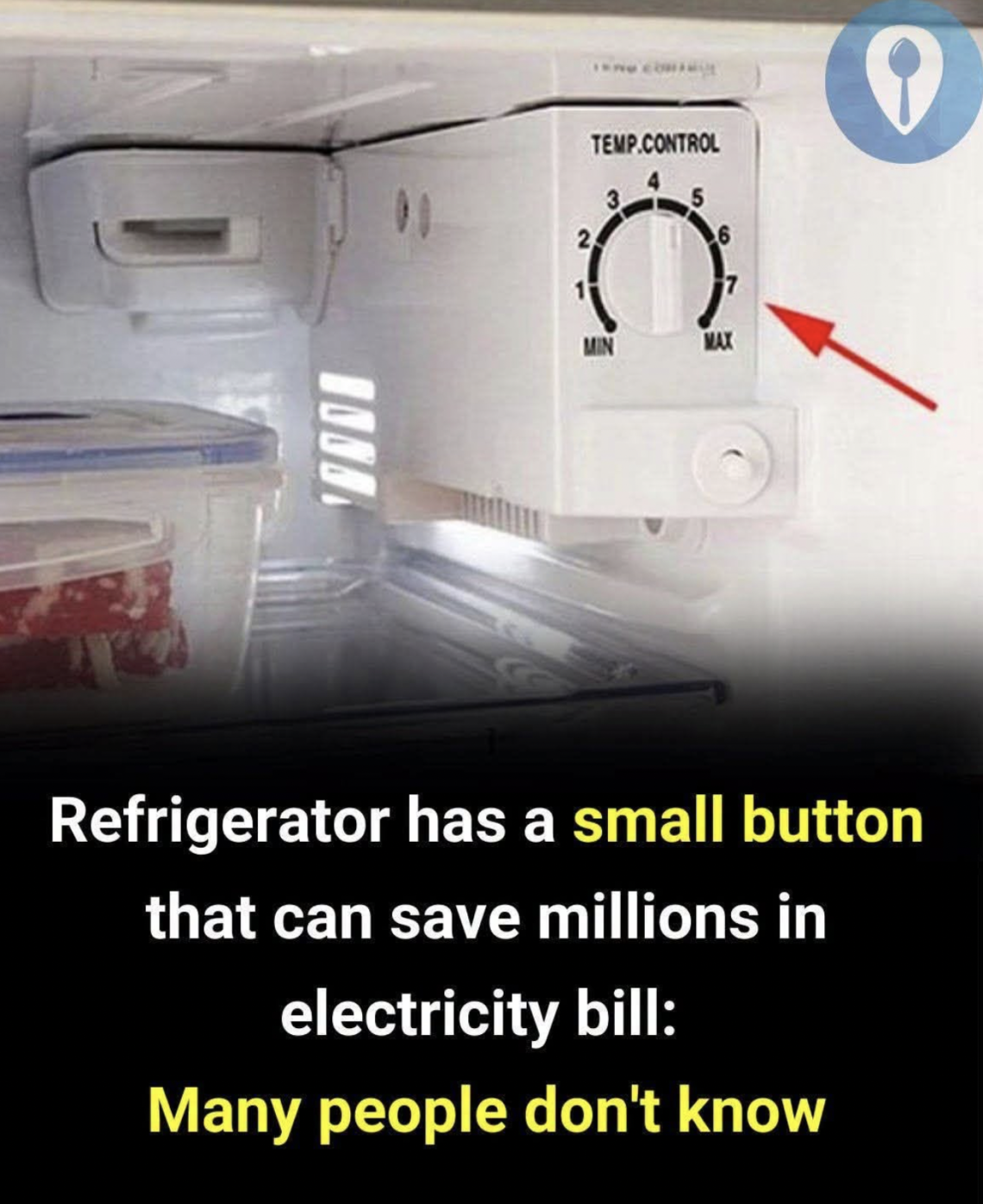
It is a common reality in modern households that we have been wasting electricity without even realizing it. Most people believe they are energy-conscious: turning off lights when leaving a room, unplugging chargers, and choosing energy-saving appliances when possible.
But despite these efforts, electricity bills often remain higher than expected.
The reason is simple: the biggest energy waste is usually not obvious. It does not come from one large mistake, but from many small, hidden sources that quietly consume power all day and night.
These are often called “vampire devices” or standby energy users—devices that continue drawing electricity even when you think they are off.
Over time, this hidden consumption can significantly increase your yearly energy costs and environmental impact.
The Hidden Problem: Electricity You Don’t See
Electricity waste is difficult to notice because it does not create an immediate visible effect.
Unlike leaving a light bulb on, many devices:
- appear turned off
- show no obvious activity
- continue consuming power silently
This creates a false sense of security. People assume nothing is being used, when in reality, energy is still flowing through the system.
Even small amounts of wasted energy, when multiplied across months and devices, can lead to surprisingly large costs.
What Are “Vampire Devices”?
The term “vampire devices” refers to electronics that continue to draw power even when they are not actively in use.
These devices remain in standby mode, waiting to be activated instantly.
Common examples include:
- televisions
- gaming consoles
- desktop computers
- printers
- Wi-Fi routers
- microwave ovens with digital clocks
- phone chargers left plugged in
- smart speakers and assistants
Even when “off,” many of these devices are still partially active.
They maintain internal systems such as:
- memory
- clock displays
- network connectivity
- remote-control sensors
This constant readiness requires electricity.
Why Standby Power Exists
Standby power is not accidental—it is designed into modern electronics.
Manufacturers include it to improve convenience, such as:
- instant startup
- remote control responsiveness
- background updates
- continuous internet connection
For example:
- A TV can turn on instantly using a remote
- A printer can receive wireless commands anytime
- A console can download updates while “off”
These features are useful, but they come at the cost of continuous energy consumption.
How Small Wastes Become Big Bills
Individually, a single device in standby mode may use only a small amount of electricity.
However, the problem lies in accumulation.
A typical household may have:
- 10–30 devices constantly plugged in
- multiple chargers left in sockets
- appliances with hidden standby systems
Even a few watts per device adds up over time.
Over a year, this can result in:
- unnecessary energy usage
- higher electricity bills
- increased environmental impact
This is why experts often say that standby power can quietly account for a noticeable portion of household electricity consumption.
The Most Common Hidden Energy Users at Home
Many people are surprised to learn where electricity is actually being wasted.
1. Television and Entertainment Systems
Modern TVs rarely fully turn off.
They may still power:
- sensors
- Wi-Fi modules
- background systems
Connected devices like sound systems and streaming boxes also contribute.
2. Phone and Laptop Chargers
A charger left plugged into the wall still draws a small amount of electricity even when no device is attached.
This is one of the most common forms of invisible energy waste.
3. Kitchen Appliances
Appliances like:
- microwaves
- coffee machines
- ovens with digital displays
often consume electricity just to keep clocks and standby systems running.
4. Computers and Gaming Consoles
Even in “sleep mode,” these devices may:
- update software
- maintain network connections
- stay partially active
5. Wi-Fi Routers
Routers run 24/7 by design.
They are essential, but they are also constant energy consumers.
The Environmental Impact of Wasted Electricity
The problem is not only financial—it is also environmental.
Every unit of electricity used unnecessarily contributes to:
- increased demand on power plants
- higher fuel consumption in non-renewable energy sources
- greater carbon emissions
Even small savings per household become significant when multiplied across millions of homes.
Reducing wasted electricity is one of the simplest ways individuals can reduce their environmental footprint.
Why Most People Don’t Notice the Waste
There are several reasons why this problem goes unnoticed:
1. Invisible Consumption
Unlike water leaks or open lights, standby power is not visible.
2. Small Individual Impact
Each device uses a small amount of energy, making it seem unimportant.
3. Convenience Over Efficiency
People prioritize convenience, such as instant startup and always-ready devices.
4. Lack of Awareness
Many people simply do not know that devices consume electricity even when turned off.
Simple Ways to Reduce Electricity Waste
The good news is that reducing wasted energy does not require major lifestyle changes.
Small habits can make a big difference.
1. Unplug Devices When Not in Use
Especially:
- chargers
- kitchen appliances
- entertainment devices
2. Use Power Strips
A single switch can cut power to multiple devices at once.
3. Turn Off Standby Modes
Some devices allow you to disable standby features or energy-saving settings.
4. Use Energy-Efficient Appliances
Modern appliances often consume significantly less standby power.
5. Be Mindful of Charging Habits
Avoid leaving chargers plugged in unnecessarily.
The Hidden Cost Over Time
Even small energy leaks add up over months and years.
While each device may seem harmless, together they can contribute to:
- noticeably higher annual bills
- unnecessary energy consumption
- avoidable environmental impact
This is why many energy experts emphasize awareness as the first step toward savings.
A Shift in Awareness
The most important change is not technical—it is mental.
Once people become aware of hidden energy use, they naturally begin to:
- unplug unused devices
- question unnecessary standby usage
- make more efficient choices
Awareness alone can significantly reduce waste.

Welcome to my kitchen!
I’m a passionate home cook and recipe creator who loves turning simple ingredients into delicious, comforting meals that everyone can enjoy. Through this website, I share carefully prepared recipes, practical cooking tips, and easy-to-understand food education to help you feel more confident in the kitchen.
My goal is to make cooking simple, enjoyable, and accessible. Whether you are looking for a quick family dinner, a delicious dessert, healthy meal ideas, or traditional recipes with a modern touch, you’ll find inspiration here.
More Than Just Recipes
I believe that cooking is also a way to learn. That’s why this website is not only about recipes. I also create educational articles about ingredients, cooking techniques, kitchen tips, food preparation, and the stories behind different dishes.
Each article is designed to give you useful knowledge that you can apply in your own kitchen. From understanding how ingredients work together to learning better cooking methods, my aim is to help you become a more confident and creative cook.
My Philosophy
Good food doesn’t always require complicated ingredients or professional equipment. With a little knowledge, patience, and creativity, simple ingredients can become something truly special.
I believe in sharing recipes that are practical, clearly explained, and enjoyable to make. I also love exploring new flavors while appreciating traditional cooking and the recipes passed down through generations.
Thank you for visiting my kitchen and being part of this food-loving community. I hope my recipes and articles inspire you to cook, learn, experiment, and most importantly, enjoy every bite!
Happy cooking!