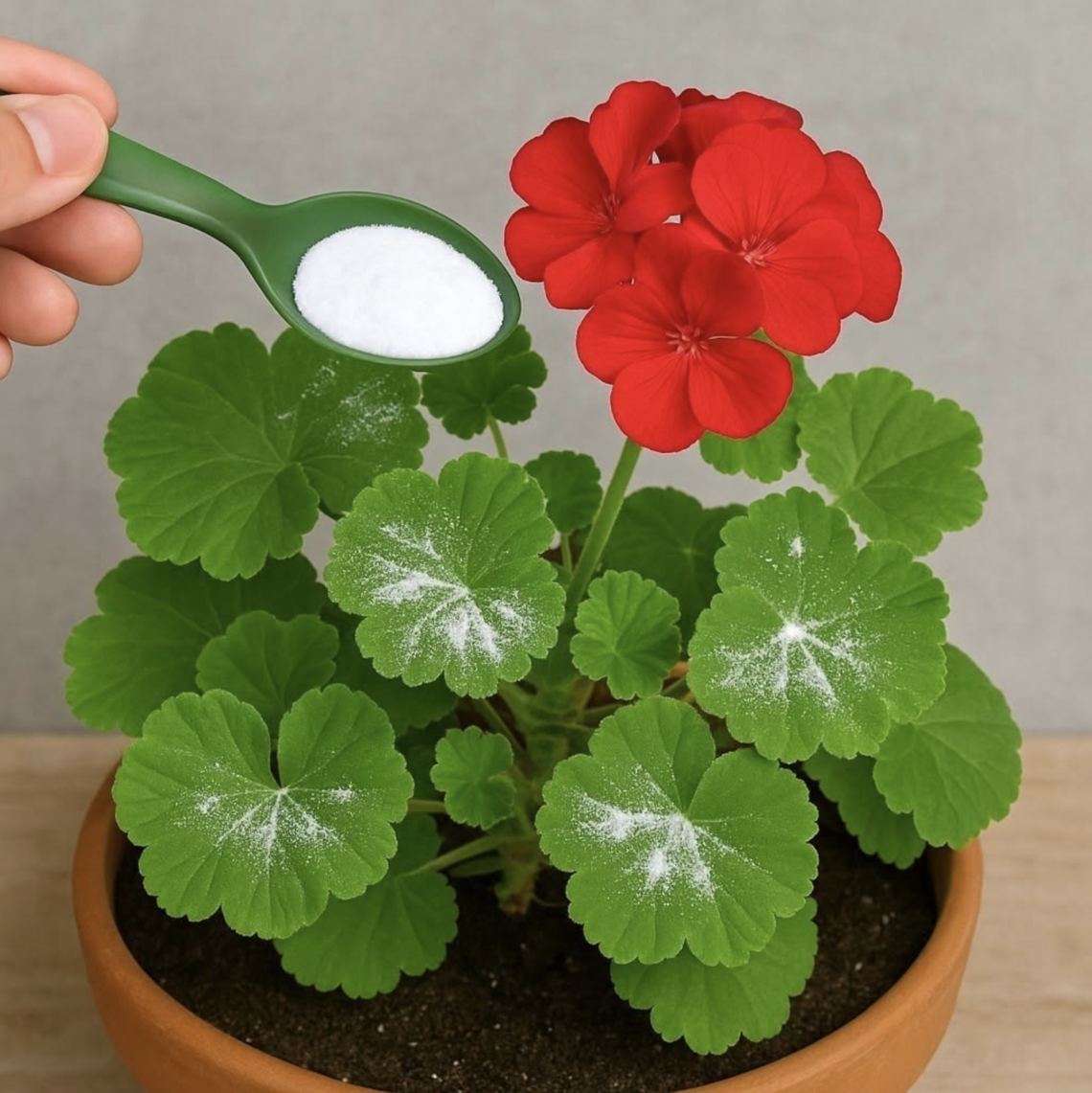
Geraniums are among the most rewarding flowering plants you can grow. They are bright, hardy, and capable of producing blooms for months when cared for correctly. Yet many people struggle with them—getting lots of leaves but very few flowers, or plants that look healthy for a while and then suddenly stop blooming.
The surprising truth is that one of the biggest factors behind continuous flowering is not fertilizer, not pruning, and not even sunlight alone.
It is watering technique.
How you water geraniums can completely change whether they produce a few scattered blooms or explode into continuous color.
Why Geraniums Stop Flowering
Before understanding the watering method, it helps to know why geraniums fail to bloom.
The most common reasons include:
- too much water
- waterlogged soil
- inconsistent watering
- lack of drainage
- over-fertilizing with nitrogen
- insufficient sunlight stress balance
Among all of these, improper watering is the most common mistake.
Geraniums are not delicate tropical plants. They naturally prefer conditions that are slightly dry rather than constantly wet.
When they receive too much water, they focus on growing leaves instead of producing flowers.
The Secret: Geraniums Bloom Better Under “Controlled Stress”
Geraniums behave differently from many garden plants.
They do not flower best when they are constantly pampered.
Instead, they bloom more when they experience a mild cycle of:
- drying slightly
- then receiving a deep watering
- then drying again
This cycle signals the plant to reproduce (flowering is a reproductive response), rather than just grow foliage.
In simple terms:
Slight dryness encourages flowers. Constant moisture encourages leaves.
The Correct Way to Water Geraniums
Now let’s break down the method that keeps geraniums healthy and full of blooms.
1. Let the Soil Dry Between Waterings
This is the most important rule.
Before watering again, check the soil:
- Insert your finger 2–3 cm into the soil
- If it feels dry → water
- If it still feels moist → wait
Geraniums prefer:
- slightly dry topsoil
- not constantly wet roots
This helps prevent root rot and encourages flowering.
2. Water Deeply, Not Frequently
When you do water, do it properly:
- water slowly
- soak the soil thoroughly
- let water reach deep roots
- allow excess water to drain completely
Shallow watering is one of the worst mistakes because it keeps roots weak and shallow.
Deep watering encourages:
- strong root growth
- better nutrient absorption
- more stable flowering cycles
3. Never Let Water Sit in the Pot
Geranium roots hate stagnant water.
Always ensure:
- pots have drainage holes
- excess water can escape freely
- saucers are emptied after watering
Standing water leads to:
- root rot
- yellow leaves
- stopped flowering
4. Water at the Base, Not the Leaves
Water should go directly into the soil, not on the plant.
Wet leaves can cause:
- fungal diseases
- mold
- weak growth over time
Keeping foliage dry helps the plant stay strong and focused on flowering.
5. Adjust Watering Based on Season
Geraniums do not need the same water all year.
In warm seasons:
- water more frequently
- soil dries faster
- growth and flowering are active
In cooler seasons:
- reduce watering
- plant growth slows down
- too much water becomes harmful
The Ideal Soil Condition for Constant Blooming
Watering works best when paired with the right soil environment.
Geraniums prefer:
- well-draining soil
- light, airy texture
- soil that does not compact easily
Heavy soil holds too much moisture and prevents flowering.
A good mix often includes:
- potting soil
- sand or perlite
- organic matter in moderation
Sunlight: The Hidden Partner of Watering
Even perfect watering will not produce flowers without enough light.
Geraniums need:
- at least 5–6 hours of sunlight daily
Sunlight helps:
- activate flowering hormones
- strengthen stems
- intensify bloom color
Without enough light, the plant will produce leaves instead of flowers—even if watering is correct.
Why Overwatering Stops Flowers
This is one of the most misunderstood problems.
When geraniums receive too much water:
- roots struggle to breathe
- energy goes into survival, not flowering
- leaves grow excessively
- blooms become rare or stop completely
In nature, plants often flower when they experience mild stress—not excess comfort.
Signs You Are Watering Correctly
Healthy geraniums will show:
- continuous flower buds
- firm, green leaves
- strong stems
- steady growth
- no yellowing at the base
If flowers slow down, the first thing to check is always watering habits.
Signs of Improper Watering
Too much water:
- yellow leaves
- soft stems
- no flowers
- soil stays wet for too long
Too little water:
- drooping leaves
- dry, crispy edges
- slow growth
Balance is key—not too wet, not too dry.
Extra Tips to Boost Flower Production
While watering is the main factor, a few additional habits help maximize blooming.
1. Remove Faded Flowers
This encourages the plant to produce new buds instead of seed formation.
2. Avoid Excess Nitrogen Fertilizer
Too much nitrogen leads to:
- big leaves
- fewer flowers
Use balanced or bloom-focused fertilizer instead.
3. Prune Lightly
Cutting back weak stems helps redirect energy into flowering branches.
The Core Principle of Geranium Care
If everything is simplified into one idea, it is this:
Geraniums bloom best when their roots are healthy, slightly dry between waterings, and never waterlogged.
Water is not just hydration for geraniums—it is a signal that tells the plant how to grow.
Too much water tells it to grow leaves.
Balanced watering tells it to produce flowers.

Welcome to my kitchen!
I’m a passionate home cook and recipe creator who loves turning simple ingredients into delicious, comforting meals that everyone can enjoy. Through this website, I share carefully prepared recipes, practical cooking tips, and easy-to-understand food education to help you feel more confident in the kitchen.
My goal is to make cooking simple, enjoyable, and accessible. Whether you are looking for a quick family dinner, a delicious dessert, healthy meal ideas, or traditional recipes with a modern touch, you’ll find inspiration here.
More Than Just Recipes
I believe that cooking is also a way to learn. That’s why this website is not only about recipes. I also create educational articles about ingredients, cooking techniques, kitchen tips, food preparation, and the stories behind different dishes.
Each article is designed to give you useful knowledge that you can apply in your own kitchen. From understanding how ingredients work together to learning better cooking methods, my aim is to help you become a more confident and creative cook.
My Philosophy
Good food doesn’t always require complicated ingredients or professional equipment. With a little knowledge, patience, and creativity, simple ingredients can become something truly special.
I believe in sharing recipes that are practical, clearly explained, and enjoyable to make. I also love exploring new flavors while appreciating traditional cooking and the recipes passed down through generations.
Thank you for visiting my kitchen and being part of this food-loving community. I hope my recipes and articles inspire you to cook, learn, experiment, and most importantly, enjoy every bite!
Happy cooking!