Imagine a world where you never have to worry about inaccurate utility bills.
No more waiting for someone to knock on your door to check your meter.
No more estimated charges.
No more human error.
Instead, everything just works—quietly, efficiently, and almost invisibly.
This isn’t a vision of the distant future.
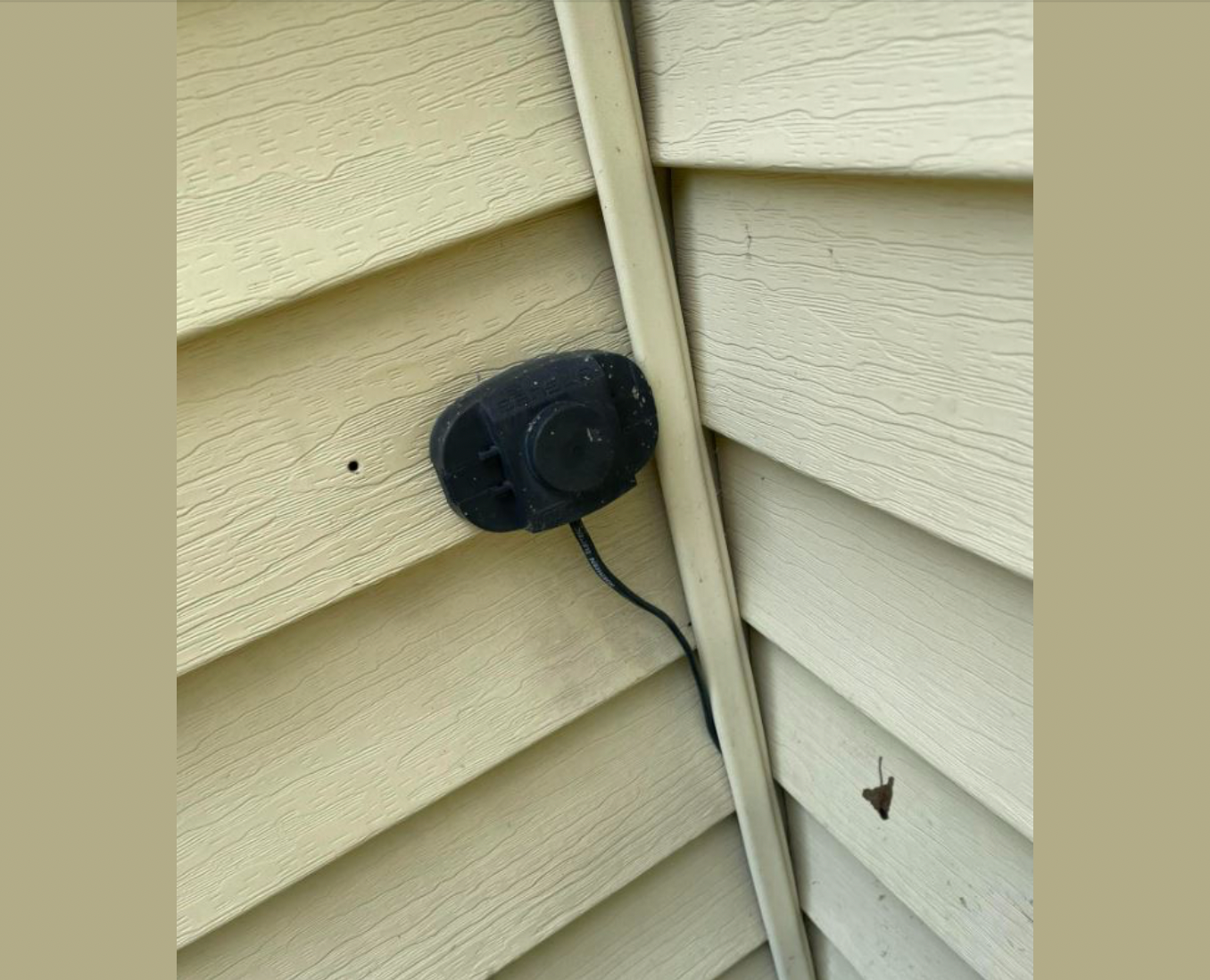
It’s already happening, thanks to a small but powerful piece of technology: the RFID reader for water meters.
At first glance, it may seem insignificant. But behind its simplicity lies a system that is transforming how homes, cities, and entire infrastructures manage water—one of the most essential resources on Earth.
What Is RFID and How Does It Work?
At the heart of this innovation is Radio Frequency Identification.
RFID is a technology that uses radio waves to identify and communicate with objects equipped with small tags.
A typical system includes:
- A tag attached to an object (in this case, a water meter)
- A reader that scans and collects data
- A system that processes and stores the information
Unlike traditional methods, RFID does not require:
- Physical contact
- Direct visibility
- Manual reading
This makes it fast, accurate, and highly efficient.
The Traditional Problem with Water Metering
Before RFID systems, water management relied heavily on manual processes.
A worker would:
- Visit each home
- Physically read the meter
- Record the numbers
- Enter them into a billing system
This approach had several issues:
Human Error
Mistakes in reading or recording data could lead to incorrect bills.
Inefficiency
Covering large neighborhoods required time, labor, and coordination.
Limited Data
Readings were taken occasionally, not continuously—meaning little insight into usage patterns.
Delays
Billing often relied on outdated or estimated data.
Enter the RFID Reader: A Quiet Revolution
The RFID reader changes everything.
Installed as part of a modern water metering system, it allows data to be collected wirelessly—without entering the home, without interrupting the resident, and without delay.
Here’s what happens:
- The water meter is equipped with an RFID tag
- The reader scans the tag from a distance
- Usage data is transmitted automatically
- Information is sent to a central system in real time
All of this happens silently, in the background.
Key Benefits of RFID Water Meter Systems
1. Accuracy Like Never Before
Because the system is automated, the risk of human error is nearly eliminated.
Bills are based on actual usage—not estimates.
This builds trust between consumers and utility providers.
2. Real-Time Data Collection
Instead of monthly or quarterly readings, data can be collected continuously.
This allows:
- Better tracking of consumption
- Immediate detection of unusual patterns
- Faster response to issues
3. Leak Detection and Water Conservation
One of the most powerful advantages is early leak detection.
If the system detects continuous water flow when none is expected, it can alert:
- The homeowner
- The utility company
This helps prevent:
- Water waste
- Property damage
- High utility bills
4. Reduced Operational Costs
Utility companies no longer need to send workers to every home.
This reduces:
- Labor costs
- Transportation expenses
- Time spent on manual tasks
The system becomes more efficient at scale.
5. Seamless Integration with Smart Cities
RFID-enabled water meters are a key part of modern Smart City systems.
They can integrate with:
- Energy management systems
- Environmental monitoring tools
- Urban planning platforms
This creates a connected ecosystem where data flows freely and decisions are based on real insights.
What This Means for Homeowners
For everyday users, the benefits are simple but powerful:
- Accurate bills
- No interruptions
- Better awareness of water usage
- Early warnings for problems
In the long run, this can lead to:
- Lower costs
- More efficient water use
- Greater control over household consumption
The Role of Automation and Data
RFID water meter systems are part of a broader shift toward automation.
Data is no longer collected occasionally—it is collected constantly.
This allows for:
- Predictive maintenance
- Usage forecasting
- Personalized insights
Over time, systems can even learn patterns and suggest ways to reduce waste.
Are There Any Concerns?
Like any technology, RFID systems come with considerations.
Privacy
Some people worry about data collection, although the information gathered is typically limited to water usage.
Initial Cost
Installing smart systems requires investment, though it often pays off over time.
Infrastructure
Cities need the right systems in place to fully benefit from the technology.
The Future of Water Management
The RFID reader is just one step in a larger transformation.
As technology evolves, we may see:
- Fully automated utility systems
- AI-driven water management
- Integration with home smart devices
- Advanced conservation strategies
Water, once managed manually and reactively, is becoming part of a smart, responsive network.
Why This Small Device Matters
At first glance, an RFID reader might seem like a minor upgrade.
But in reality, it represents something much bigger:
- A shift from manual to automated systems
- A move toward smarter resource management
- A step closer to sustainable living
It shows how even the smallest technologies can have a massive impact when applied at scale.

Welcome to my kitchen!
I’m a passionate home cook and recipe creator who loves turning simple ingredients into delicious, comforting meals that everyone can enjoy. Through this website, I share carefully prepared recipes, practical cooking tips, and easy-to-understand food education to help you feel more confident in the kitchen.
My goal is to make cooking simple, enjoyable, and accessible. Whether you are looking for a quick family dinner, a delicious dessert, healthy meal ideas, or traditional recipes with a modern touch, you’ll find inspiration here.
More Than Just Recipes
I believe that cooking is also a way to learn. That’s why this website is not only about recipes. I also create educational articles about ingredients, cooking techniques, kitchen tips, food preparation, and the stories behind different dishes.
Each article is designed to give you useful knowledge that you can apply in your own kitchen. From understanding how ingredients work together to learning better cooking methods, my aim is to help you become a more confident and creative cook.
My Philosophy
Good food doesn’t always require complicated ingredients or professional equipment. With a little knowledge, patience, and creativity, simple ingredients can become something truly special.
I believe in sharing recipes that are practical, clearly explained, and enjoyable to make. I also love exploring new flavors while appreciating traditional cooking and the recipes passed down through generations.
Thank you for visiting my kitchen and being part of this food-loving community. I hope my recipes and articles inspire you to cook, learn, experiment, and most importantly, enjoy every bite!
Happy cooking!