There are some old kitchen tools that instantly transport us to another era. Long before electric mixers, stand mixers, food processors, and refrigerated grocery aisles made cooking easier, families depended on handcrafted wooden tools that served an essential purpose every single day. Many of these once-common items have completely disappeared from modern kitchens, leaving younger generations puzzled when they encounter them at flea markets, antique shops, museums, or tucked away in a grandparent’s attic.
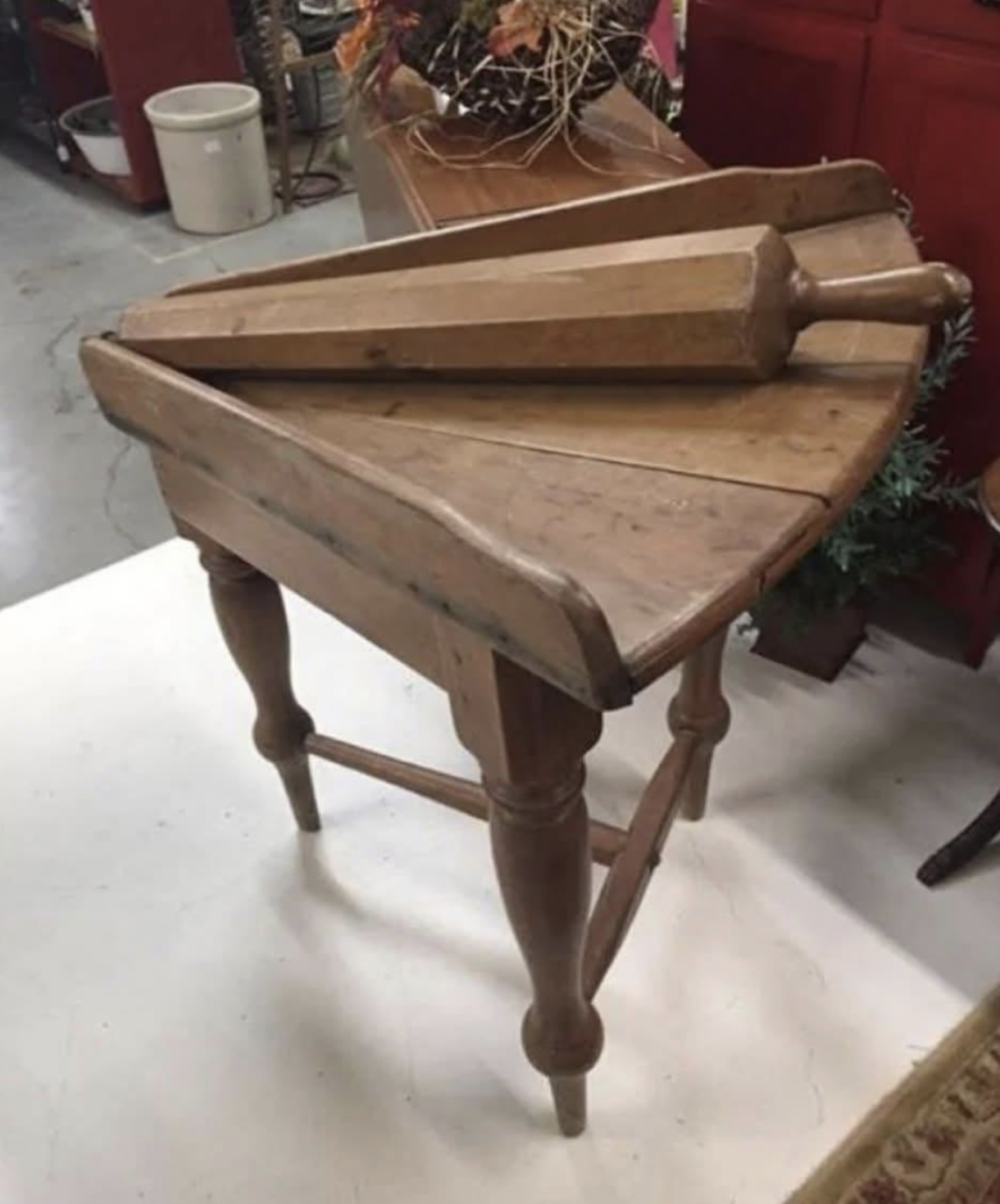
One of the most intriguing of these forgotten tools is the butter worker. At first glance, it often looks like an oddly shaped wooden paddle attached to a grooved board, leading many people to guess that it was some type of washboard, cutting board, pastry tool, or even a piece of decorative farmhouse furniture. In reality, it played a vital role in turning freshly churned butter into the smooth, creamy, spreadable butter that families enjoyed every day.
For generations, making butter wasn’t a weekend hobby or a trendy farmhouse activity—it was simply part of daily life. Families who kept dairy cows relied on fresh cream to produce butter several times each week, and the butter worker was one of the final and most important tools in that process. Without it, homemade butter would spoil much more quickly because excess moisture remained trapped inside.
Today, butter workers are treasured collectibles and beautiful reminders of a time when nearly everything on the dinner table was made by hand with patience, skill, and care.
What Is a Butter Worker?
A butter worker is a traditional wooden kitchen tool designed to knead, press, and shape freshly churned butter after it has been separated from buttermilk.
It typically consists of:
- A large grooved wooden board.
- A matching wooden paddle or pair of paddles.
- Sometimes raised edges to help keep the butter contained while working.
The grooves carved into the board were not decorative. They served an important purpose by allowing liquid to drain away while preventing the butter from sticking excessively to the surface.
Although its design appears simple, the butter worker represented generations of practical craftsmanship and was an indispensable tool on farms throughout North America and Europe.
Why Was a Butter Worker Necessary?
Fresh butter straight from the churn wasn’t ready to eat.
After cream was churned, small butter granules formed and separated from the liquid, which is known as buttermilk. Even after draining, a surprising amount of buttermilk remained trapped inside the butter.
If this moisture wasn’t removed, several problems could occur:
- Butter spoiled much more quickly.
- Flavor deteriorated.
- Texture remained uneven.
- Mold could develop.
- Storage life was significantly shortened.
The butter worker solved these problems by gently pressing the butter, forcing out the remaining liquid while preserving the smooth texture.
How Butter Was Traditionally Made
Making butter was a labor-intensive process that required time, patience, and physical effort. Before refrigeration and commercial dairies, families often made butter several times each week using cream collected from their own cows.
The process typically followed these steps:
1. Collecting the Cream
Fresh milk was poured into shallow pans and left to rest for several hours. During this time, the rich cream naturally rose to the surface.
The cream was carefully skimmed off and stored until there was enough to churn.
2. Churning the Cream
The cream was poured into a wooden churn.
Using a plunger-style churn or a barrel churn, the cream was agitated continuously. This could take anywhere from 20 minutes to over an hour, depending on the temperature of the cream and the type of churn being used.
Eventually, the fat molecules clumped together, separating from the liquid and forming soft butter.
3. Draining the Buttermilk
The liquid buttermilk was poured off and saved for baking biscuits, pancakes, breads, cakes, and other recipes.
The remaining butter still contained pockets of liquid that needed to be removed.
4. Washing the Butter
The butter was rinsed several times with cold water.
This washing process removed additional traces of buttermilk that could cause spoilage.
5. Working the Butter
Now the butter worker became essential.
The butter was placed onto the grooved wooden board and gently pressed, folded, and turned using the wooden paddle.
This process:
- Removed remaining moisture.
- Improved texture.
- Evenly distributed salt if added.
- Created a smooth consistency.
- Increased shelf life.
6. Shaping the Butter
Once properly worked, the butter could be shaped into:
- Blocks.
- Balls.
- Decorative molds.
- Butter pats.
- Rolls.
Some families even used carved wooden butter molds that stamped flowers, leaves, animals, or family initials onto each piece.
Why the Board Had Grooves
The grooves were one of the butter worker’s most important features.
They helped:
- Channel excess liquid away from the butter.
- Reduce sticking.
- Keep the butter cooler.
- Improve kneading efficiency.
- Create a cleaner working surface.
Without these grooves, moisture could collect beneath the butter, making it more difficult to remove completely.
Why Butter Was Salted
Salt wasn’t added only for flavor.
It also served practical purposes by:
- Extending shelf life.
- Helping preserve the butter.
- Reducing bacterial growth.
- Enhancing flavor.
- Improving texture.
The butter worker ensured that the salt was distributed evenly throughout every batch.
Why Butter Workers Were Made from Wood
Wood was the preferred material for several reasons.
It was:
- Readily available.
- Durable.
- Gentle on soft butter.
- Easy to carve.
- Naturally insulating.
Many butter workers were handcrafted by local carpenters or even by family members using hardwoods such as maple, beech, cherry, or oak.
With proper care, these tools could last for generations.
Life on the Farm
For many farm families, butter making was part of the weekly routine.
Children often helped:
- Feed the cows.
- Collect milk.
- Wash churns.
- Turn the churn handle.
- Clean the butter worker.
- Wrap finished butter.
Making butter wasn’t considered a special event—it was simply another household chore, much like baking bread or gathering eggs.
The butter produced each week supplied the family’s kitchen and often generated extra income through local markets or neighborhood sales.
How Butter Workers Disappeared
By the early 20th century, several changes transformed home butter production.
These included:
- Commercial dairy farms.
- Refrigeration.
- Electric cream separators.
- Grocery stores selling packaged butter.
- Industrial butter manufacturing.
As factory-produced butter became inexpensive and widely available, fewer families made butter at home.
Gradually, butter workers disappeared from everyday kitchens.
Many were:
- Stored in barns.
- Passed down as family heirlooms.
- Sold at estate sales.
- Donated to museums.
- Displayed as farmhouse decorations.
Collecting Vintage Butter Workers
Today, antique butter workers are popular among collectors because they represent an important piece of agricultural history.
Collectors often look for:
- Original wooden construction.
- Well-preserved grooves.
- Hand-carved craftsmanship.
- Signs of authentic age and use.
- Original paddles.
- Decorative maker’s marks.
Some antique examples are displayed in rustic kitchens as decorative conversation pieces, while others are carefully preserved in historical collections.
Caring for an Antique Butter Worker
If you inherit or purchase an antique butter worker, proper care will help preserve it for years to come.
Experts generally recommend:
- Cleaning gently with a slightly damp cloth.
- Avoiding prolonged soaking in water.
- Drying thoroughly after cleaning.
- Keeping it away from excessive humidity.
- Occasionally conditioning the wood with a food-safe mineral oil if the piece is intended for display or careful restoration.
Harsh detergents, bleach, or dishwashers should never be used, as they can damage the aged wood and remove its historic character.
Fun Facts About Butter Workers
- Every butter worker was slightly different because many were handmade.
- Some families carved initials or decorative patterns into their butter molds to identify their products at local markets.
- Before refrigeration, properly worked and salted butter lasted much longer than fresh butter containing excess moisture.
- Butter making was once taught as a necessary household skill to children growing up on farms.
- Antique butter workers are now highly sought after by collectors of farmhouse décor and early American kitchen tools.
Frequently Asked Questions
Is a butter worker the same as a butter churn?
No. A butter churn and a butter worker served different purposes. The churn was used to separate butterfat from cream by agitating the cream until butter formed. The butter worker was used afterward to press, knead, and shape the finished butter while removing any remaining buttermilk.
Why was removing buttermilk so important?
Residual buttermilk contains moisture and milk solids that can shorten the shelf life of homemade butter. Working the butter helped remove this excess liquid, making the butter smoother, more stable, and less likely to spoil quickly.
Could butter workers be made from materials other than wood?
Historically, wood was by far the most common material because it was durable, readily available, and gentle on the soft butter. In later years, some commercial dairies used metal or food-safe plastic equipment, but traditional household butter workers were almost always wooden.
Are butter workers still used today?
While most households now buy commercially produced butter, some homesteaders, small dairy farms, historical reenactors, and butter-making enthusiasts still use butter workers when preparing traditional homemade butter.
Are antique butter workers valuable?
Their value depends on factors such as age, condition, craftsmanship, rarity, and provenance. Well-preserved examples with original paddles or unique handmade details are generally the most desirable among collectors.
Can an old butter worker still be used?
If it is structurally sound and properly cleaned, some people choose to use antique butter workers for traditional butter making. However, many collectors prefer to preserve them as historical artifacts or display pieces to avoid unnecessary wear.

Welcome to my kitchen!
I’m a passionate home cook and recipe creator who loves turning simple ingredients into delicious, comforting meals that everyone can enjoy. Through this website, I share carefully prepared recipes, practical cooking tips, and easy-to-understand food education to help you feel more confident in the kitchen.
My goal is to make cooking simple, enjoyable, and accessible. Whether you are looking for a quick family dinner, a delicious dessert, healthy meal ideas, or traditional recipes with a modern touch, you’ll find inspiration here.
More Than Just Recipes
I believe that cooking is also a way to learn. That’s why this website is not only about recipes. I also create educational articles about ingredients, cooking techniques, kitchen tips, food preparation, and the stories behind different dishes.
Each article is designed to give you useful knowledge that you can apply in your own kitchen. From understanding how ingredients work together to learning better cooking methods, my aim is to help you become a more confident and creative cook.
My Philosophy
Good food doesn’t always require complicated ingredients or professional equipment. With a little knowledge, patience, and creativity, simple ingredients can become something truly special.
I believe in sharing recipes that are practical, clearly explained, and enjoyable to make. I also love exploring new flavors while appreciating traditional cooking and the recipes passed down through generations.
Thank you for visiting my kitchen and being part of this food-loving community. I hope my recipes and articles inspire you to cook, learn, experiment, and most importantly, enjoy every bite!
Happy cooking!