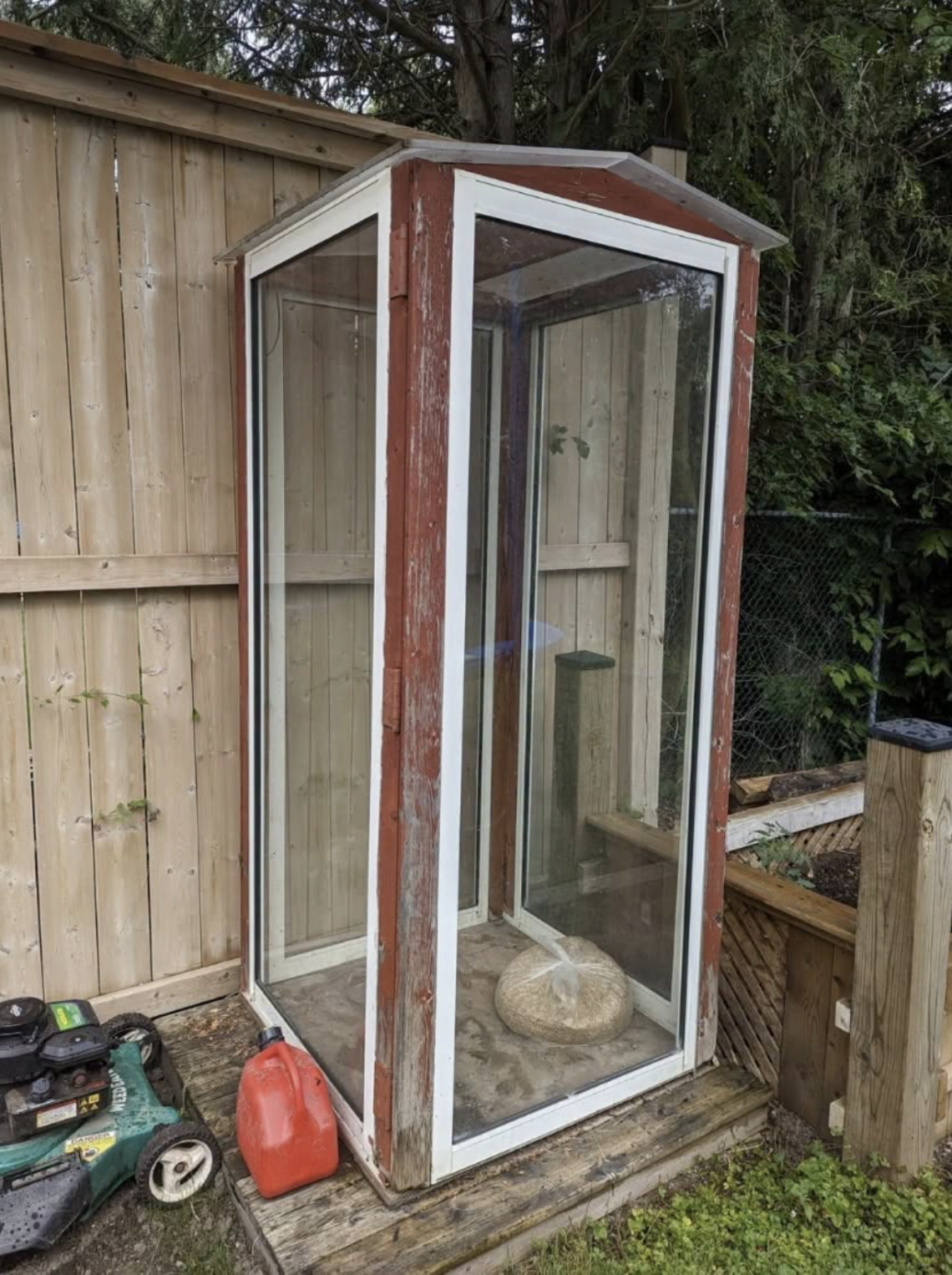
There was a time when backyard gardens were filled with far more than rows of tomatoes, beans, cucumbers, and sweet corn. Tucked away in a cool, shaded corner of many family gardens stood a small structure that seemed almost magical to curious children—a backyard mushroom house. Often built from reclaimed lumber, old storm windows, bricks, or weathered barn wood, these humble little buildings created the perfect environment for growing fresh mushrooms at home.
To a child, the mushroom house looked like something from a storybook. The air inside was cool and damp, the earthy scent of straw and compost filled the room, and tiny white mushrooms seemed to appear almost overnight. One day the growing beds looked empty, and the next they were dotted with clusters of delicate caps pushing their way toward the light. It felt less like gardening and more like witnessing a quiet miracle of nature.
For adults, however, the mushroom house represented practicality and self-sufficiency. Before supermarkets carried fresh mushrooms year-round, growing them at home provided a dependable source of nutritious food. Families carefully maintained these simple structures, harvesting fresh mushrooms for soups, stews, casseroles, gravies, omelets, and Sunday dinners.
Although backyard mushroom houses gradually disappeared as commercial farming expanded and grocery stores became more convenient, they are now experiencing a remarkable revival. Gardeners, homesteaders, sustainability enthusiasts, and food lovers are once again discovering the joy of cultivating mushrooms in their own backyards. With growing interest in organic food, home gardening, and reducing food waste, these forgotten little buildings are proving that some old-fashioned ideas deserve a second chance.
What Is a Backyard Mushroom House?
A backyard mushroom house is a small, enclosed structure designed to provide the cool, humid, and shaded conditions that mushrooms need to grow successfully.
Unlike most garden vegetables, mushrooms do not require direct sunlight. Instead, they thrive in environments that remain consistently moist, cool, and protected from harsh weather.
Traditional mushroom houses were often built using inexpensive or recycled materials such as:
- Reclaimed wood.
- Old windows.
- Concrete blocks.
- Brick.
- Stone.
- Corrugated metal roofing.
- Salvaged doors.
- Wooden pallets.
Many were no larger than a garden shed, while others resembled tiny cottages hidden among fruit trees or vegetable gardens.
Why Mushroom Houses Were Once So Popular
During much of the 20th century, especially in rural communities, growing food at home was a normal part of everyday life.
Families commonly kept:
- Vegetable gardens.
- Fruit trees.
- Berry bushes.
- Chickens.
- Rabbits.
- Compost piles.
- Root cellars.
- Mushroom houses.
Homegrown mushrooms provided fresh ingredients throughout much of the year while reducing grocery expenses.
Since mushrooms require relatively little space compared to many crops, even small gardens could often accommodate a compact mushroom house.
A Place That Felt Almost Magical
For children, entering a mushroom house was an unforgettable experience.
Unlike the bright sunshine outside, the interior was dim, cool, and peaceful.
The air carried the rich scent of damp earth, straw, and fresh wood.
Soft light filtered through old glass windows covered in tiny droplets of moisture.
Rows of growing beds slowly transformed as clusters of mushrooms appeared almost overnight.
Watching this process sparked curiosity and wonder.
Many adults still remember visiting the mushroom house with parents or grandparents, carefully harvesting mushrooms into woven baskets while learning valuable lessons about patience, nature, and food production.
Why Mushrooms Need a Special House
Unlike tomatoes, peppers, or beans, mushrooms are fungi rather than plants.
Because of this, they have very different growing requirements.
Most edible mushrooms prefer:
- High humidity.
- Cool temperatures.
- Indirect light.
- Fresh air circulation.
- Stable conditions.
- Protection from direct sunlight.
A dedicated mushroom house helps maintain these conditions naturally while protecting the crop from drying winds and excessive heat.
Traditional Mushroom Growing Materials
Historically, gardeners used readily available organic materials to create growing beds.
Common materials included:
- Straw.
- Horse manure.
- Compost.
- Hardwood sawdust.
- Wood chips.
- Leaves.
- Agricultural waste.
These materials provided nutrients while retaining the moisture necessary for healthy mushroom growth.
Building the Perfect Environment
Successful mushroom houses focused on creating a stable indoor climate.
Important features included:
Shade
Direct sunlight quickly dries growing beds and raises temperatures.
Most mushroom houses were placed beneath large trees or on the shaded side of barns and buildings.
Moisture
Humidity is essential for mushroom development.
Gardeners often:
- Misted the growing beds.
- Sprinkled water on the floor.
- Used damp straw.
- Kept water containers inside to increase humidity naturally.
Ventilation
Although mushrooms require humidity, they also need fresh air.
Small vents or windows allowed stale air to escape while preventing excessive drying.
Stable Temperature
Most common edible mushrooms grow best in cool environments.
Thick wooden walls, stone construction, or partially underground designs helped maintain comfortable temperatures throughout changing seasons.
Why Mushroom Houses Disappeared
Several changes during the second half of the twentieth century reduced the need for backyard mushroom houses.
These included:
- Year-round supermarket availability.
- Commercial mushroom farms.
- Larger grocery distribution systems.
- Busier lifestyles.
- Smaller residential lots.
- Declining home food production.
As fresh mushrooms became inexpensive and widely available, many families stopped growing their own.
Gradually, mushroom houses fell into disrepair or were converted into storage sheds and garden buildings.
Why They’re Becoming Popular Again
Interest in backyard mushroom cultivation has grown rapidly in recent years.
Many people appreciate:
- Fresh, homegrown food.
- Organic gardening.
- Sustainable living.
- Reducing food waste.
- Self-sufficiency.
- Gardening as a relaxing hobby.
- Learning traditional skills.
- Producing gourmet mushrooms at home.
Modern mushroom-growing kits have also made the hobby much more approachable for beginners.
Popular Mushrooms for Backyard Growing
Many edible mushrooms can be cultivated at home.
Some favorites include:
Oyster Mushrooms
One of the easiest varieties for beginners.
They grow quickly and adapt well to straw, sawdust, and hardwood substrates.
Shiitake Mushrooms
Often grown on hardwood logs or specially prepared growing blocks.
Known for their rich, savory flavor.
Lion’s Mane
A unique mushroom with cascading white spines and a delicate seafood-like flavor.
Popular among home growers because of its unusual appearance.
Wine Cap Mushrooms
Excellent for outdoor garden beds and wood-chip pathways.
They often improve soil quality while producing generous harvests.
White Button Mushrooms
The familiar supermarket mushroom can also be grown at home with proper compost-based growing media and controlled conditions.
Benefits Beyond Fresh Food
A backyard mushroom house offers more than a fresh harvest.
Many gardeners enjoy:
- Spending time outdoors.
- Teaching children about nature.
- Recycling organic materials.
- Supporting healthy compost systems.
- Creating wildlife-friendly gardens.
- Reducing grocery costs.
- Developing new gardening skills.
- Connecting with traditional food-growing practices.
For many families, the process becomes just as rewarding as the harvest itself.
Designing a Modern Mushroom House
Today’s mushroom houses can be surprisingly simple.
Some gardeners convert:
- Small storage sheds.
- Greenhouses with shade cloth.
- Unused garden buildings.
- Shipping containers.
- Tiny backyard cabins.
- Repurposed cold frames.
Others build compact structures from reclaimed lumber, giving them the same rustic charm that older mushroom houses once had.
Modern additions such as digital thermometers, humidity gauges, and small ventilation fans can make maintaining ideal conditions easier while preserving the traditional spirit of home mushroom growing.
Caring for a Backyard Mushroom House
Regular maintenance helps create healthy growing conditions.
Routine tasks include:
- Monitoring humidity levels.
- Maintaining proper ventilation.
- Cleaning growing areas.
- Removing spent growing materials.
- Watching for unwanted mold or pests.
- Keeping tools clean.
- Checking temperature regularly.
With consistent care, many mushroom houses produce multiple harvests throughout the growing season.
Fun Facts About Mushroom Houses
- Mushrooms are fungi, not vegetables or plants.
- Many edible mushrooms grow without direct sunlight.
- Some mushroom species can double in size within a single day under ideal conditions.
- Traditional mushroom houses often used recycled building materials decades before sustainability became a popular concept.
- Mushroom cultivation has been practiced for centuries in many cultures around the world.
- Properly maintained mushroom houses can continue producing harvests year after year with fresh growing substrates.
Frequently Asked Questions
Do mushrooms need sunlight to grow?
Not in the way most garden plants do. While many mushroom species benefit from a small amount of indirect light to help guide their growth, they do not rely on sunlight for energy. Instead, they obtain nutrients by breaking down organic materials such as wood, straw, or compost.
Are mushroom houses difficult to maintain?
They require attention to humidity, temperature, and cleanliness, but many gardeners find them easier to manage than large vegetable gardens once the environment is properly established.
Can a mushroom house be built from recycled materials?
Yes. Traditionally, many were constructed from reclaimed wood, salvaged windows, old bricks, and other reused materials, making them both economical and environmentally friendly.
What is the biggest challenge when growing mushrooms?
Maintaining consistent humidity and providing fresh air without allowing the growing environment to dry out are among the most important factors for successful cultivation.
Are backyard-grown mushrooms safe to eat?
Only mushrooms that have been intentionally cultivated from known edible species should be consumed. Wild mushrooms should never be eaten unless they have been positively identified by someone with expert knowledge, as many poisonous species closely resemble edible varieties.
Is a mushroom house suitable for small gardens?
Absolutely. Many modern mushroom houses are compact and fit comfortably into small backyards, patios, or garden corners. Even a modest structure can provide an excellent environment for growing fresh mushrooms at home.

Welcome to my kitchen!
I’m a passionate home cook and recipe creator who loves turning simple ingredients into delicious, comforting meals that everyone can enjoy. Through this website, I share carefully prepared recipes, practical cooking tips, and easy-to-understand food education to help you feel more confident in the kitchen.
My goal is to make cooking simple, enjoyable, and accessible. Whether you are looking for a quick family dinner, a delicious dessert, healthy meal ideas, or traditional recipes with a modern touch, you’ll find inspiration here.
More Than Just Recipes
I believe that cooking is also a way to learn. That’s why this website is not only about recipes. I also create educational articles about ingredients, cooking techniques, kitchen tips, food preparation, and the stories behind different dishes.
Each article is designed to give you useful knowledge that you can apply in your own kitchen. From understanding how ingredients work together to learning better cooking methods, my aim is to help you become a more confident and creative cook.
My Philosophy
Good food doesn’t always require complicated ingredients or professional equipment. With a little knowledge, patience, and creativity, simple ingredients can become something truly special.
I believe in sharing recipes that are practical, clearly explained, and enjoyable to make. I also love exploring new flavors while appreciating traditional cooking and the recipes passed down through generations.
Thank you for visiting my kitchen and being part of this food-loving community. I hope my recipes and articles inspire you to cook, learn, experiment, and most importantly, enjoy every bite!
Happy cooking!