How One Tiny Sewing Tool Became a Symbol of Craftsmanship, Memory, and Everyday History
Some of the most fascinating objects in human history are not grand inventions or monumental machines. They are the small, ordinary tools that quietly accompanied daily life for generations. The thimble is one of those objects.
Tiny enough to fit on the tip of a finger, often overlooked in modern homes, the thimble once held an essential place in households across the world. For centuries, this simple protective cap helped people:
- sew clothing
- repair garments
- quilt blankets
- embroider fabrics
- mend household linens
- create handmade gifts
- support entire family wardrobes before mass-produced fashion became common
Today, many people encounter thimbles mainly:
- in antique stores
- sewing kits inherited from grandparents
- collectors’ displays
- museums
- vintage photographs
Yet behind this humble object lies a surprisingly rich story involving:
- craftsmanship
- fashion history
- domestic life
- industrial development
- women’s labor
- artistry
- family traditions
- and even international collecting culture
The thimble is more than a sewing accessory.
It is a miniature historical artifact representing centuries of human creativity, practicality, and care.
What Exactly Is a Thimble?
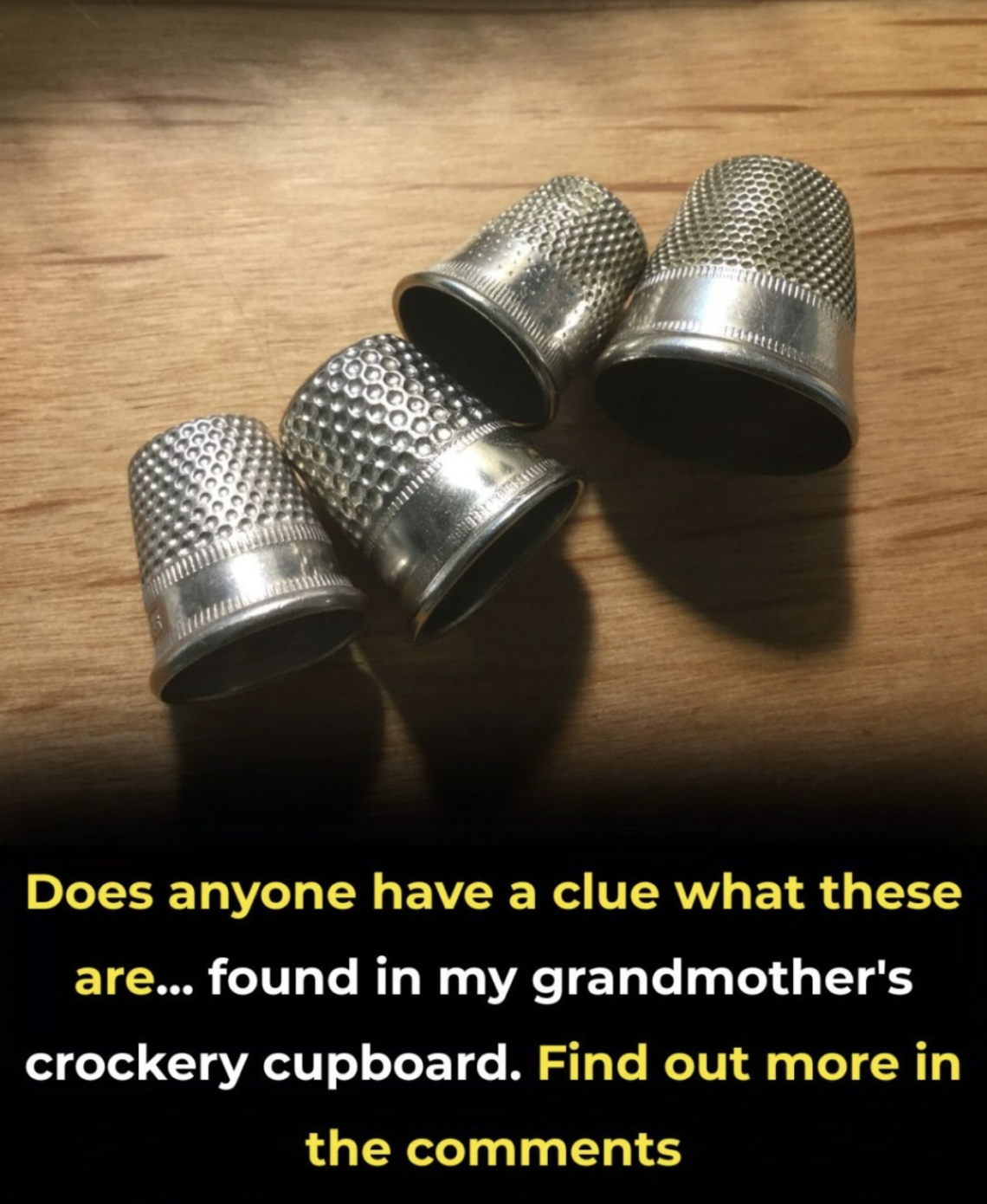
A thimble is a small protective cap worn on the finger while sewing.
Its purpose is simple but incredibly important:
- protecting the finger from needle pressure while pushing needles through fabric.
Traditional thimbles usually feature:
- a closed or open top
- textured dimples or indentations
- rounded metal surfaces
These indentations help prevent needles from slipping during sewing.
Why Thimbles Were Necessary
Before modern sewing machines became widespread, nearly all clothing and textile repair was done by hand.
Hand sewing often required repeatedly pushing needles through:
- thick cloth
- layered fabric
- leather
- quilting material
Without finger protection, sewing for long periods could become:
- painful
- exhausting
- physically damaging
The thimble solved this problem elegantly.
The Simple Genius of the Design
The beauty of the thimble lies in its efficiency.
A tiny metal cap:
- distributes pressure
- prevents punctures
- improves control
- increases sewing speed
All with almost no moving parts or complexity.
It is a perfect example of functional design refined over centuries.
Ancient Origins of Thimbles
Thimbles are far older than many people realize.
Archaeological evidence suggests thimble-like tools existed in:
- ancient Rome
- medieval Europe
- parts of Asia
Early versions were made from:
- bronze
- leather
- bone
- silver
- brass
Some ancient sewing guards were far more primitive than modern thimbles but served similar protective purposes.
Sewing Before Industrial Clothing
For most of human history, clothing was:
- handmade
- repaired repeatedly
- altered frequently
- carefully maintained
Garments represented major investments of:
- labor
- fabric
- skill
- time
Nothing was wasted casually.
Thimbles therefore became essential daily tools.
Why Mending Was Once a Core Household Skill
In earlier centuries, replacing damaged clothing was expensive and impractical for many families.
People regularly:
- patched holes
- reinforced seams
- shortened garments
- reused fabric
- repaired socks and linens
Sewing skills were basic survival knowledge in many households.
The Thimble and Women’s Domestic Labor
Historically, sewing was deeply tied to domestic life, especially for women.
Women often spent countless hours:
- mending family clothes
- sewing children’s garments
- quilting
- embroidering linens
- creating household textiles
The thimble became closely associated with:
- patience
- diligence
- craftsmanship
- care work within the home
Why Sewing Required Physical Endurance
Hand sewing was not merely delicate decorative work.
Large projects required:
- repetitive hand pressure
- finger strength
- concentration
- endurance
A thimble protected fingers during long sewing sessions.
Without it, needles could easily:
- puncture skin
- create soreness
- cause calluses
The Evolution of Thimble Materials
Over time, thimbles evolved dramatically in both function and appearance.
Common historical materials included:
- brass
- silver
- gold
- pewter
- porcelain
- ivory
- steel
- aluminum
- plastic
Different materials reflected:
- social status
- affordability
- intended use
Silver Thimbles and Status
In wealthier households, silver thimbles became fashionable accessories.
They were sometimes:
- engraved
- decorated
- gifted as keepsakes
Some were so ornate they blurred the line between:
- tool
and - jewelry.
Industrialization Changed Everything
During the Industrial Revolution:
- textile production expanded
- sewing became more commercialized
- thimble manufacturing increased massively
Factories produced affordable standardized thimbles for ordinary households.
This made them widely accessible.
The Rise of Decorative Thimbles
Eventually thimbles evolved beyond practical tools into:
- souvenirs
- collectibles
- commemorative items
Decorative thimbles featured:
- landmarks
- floral patterns
- animals
- historical scenes
- tourist destinations
Collectors around the world began seeking them.
Why People Collect Thimbles
Thimble collecting became popular because thimbles are:
- small
- affordable
- artistic
- historically rich
- easy to display
Collections often reflect:
- travel memories
- family heritage
- regional craftsmanship
The Emotional Value of Sewing Tools
Old sewing tools often carry emotional significance because they are tied to:
- mothers
- grandmothers
- family traditions
- handmade gifts
- domestic memories
A worn thimble can feel deeply personal even decades later.
Heirloom Sewing Kits
Many families passed down sewing kits containing:
- needles
- thread
- buttons
- scissors
- thimbles
These kits became small archives of family life and practical knowledge.
Why Handmade Clothing Once Meant So Much
Before fast fashion, handmade garments represented:
- effort
- time
- care
- financial value
Receiving hand-sewn clothing or quilts often carried strong emotional meaning.
The thimble quietly participated in creating those objects.
Open-Top vs Closed-Top Thimbles
Different sewing techniques required different designs.
Closed-Top Thimbles
Traditional style protecting the fingertip fully.
Useful for:
- heavy sewing
- pushing needles forcefully
Open-Top Thimbles
Allowed longer fingernails or greater fingertip flexibility.
Popular among:
- embroiderers
- specialized sewers
The Texture Pattern Matters
Those tiny dimples covering many thimbles are not decorative alone.
They help:
- grip the needle
- prevent slipping
- improve precision
Even this small detail evolved carefully over time.
Thimbles in Literature and Folklore
Because sewing played such a large role in daily life historically, thimbles appeared frequently in:
- stories
- fairy tales
- poems
- folk traditions
They became symbols of:
- domestic skill
- femininity
- diligence
- humility
The Famous Thimble in Board Games
One of the most iconic modern appearances of the thimble came through:
- the board game Monopoly
where the silver thimble became a classic player token for generations.
This helped preserve public familiarity with the object even as sewing declined.
Why Sewing Declined in Everyday Life
Several cultural shifts reduced everyday thimble use:
- mass-produced cheap clothing
- fast fashion
- widespread sewing machines
- disposable consumer culture
Many people no longer needed regular garment repair skills.
The Revival of Handcrafts
Interestingly, recent years have seen renewed interest in:
- sewing
- quilting
- embroidery
- visible mending
- handmade crafts
As a result, thimbles are quietly returning among hobbyists and artisans.
Modern Sewing and Mindfulness
Many people now enjoy handcrafts because they provide:
- relaxation
- creativity
- slower routines
- tactile satisfaction
Hand sewing offers a break from constant digital stimulation.
The thimble remains part of that experience.
Visible Mending and Sustainability
Modern sustainability movements encourage:
- repairing clothing
instead of - discarding it immediately.
This echoes older traditions where sewing and mending were normal household skills.
Why Tiny Objects Fascinate Historians
Historians value ordinary tools because they reveal:
- daily habits
- social roles
- economic conditions
- craftsmanship traditions
Small household objects often tell richer stories than luxury items.
Thimbles as Miniature Art
Some antique thimbles display astonishing craftsmanship despite their size.
Decorative examples may include:
- engraving
- enamel work
- gemstones
- carved designs
- intricate metalwork
The Practical Beauty of Everyday Tools
The thimble represents a type of beauty often forgotten today:
- practical beauty.
Its design evolved not for decoration alone, but to solve real human problems efficiently.
Why Nostalgia Surrounds Sewing Objects
Old sewing tools evoke nostalgia because they connect people to:
- slower domestic rhythms
- handmade labor
- family traditions
- tactile creativity
They remind people of eras when objects were:
- repaired
- maintained
- treasured longer
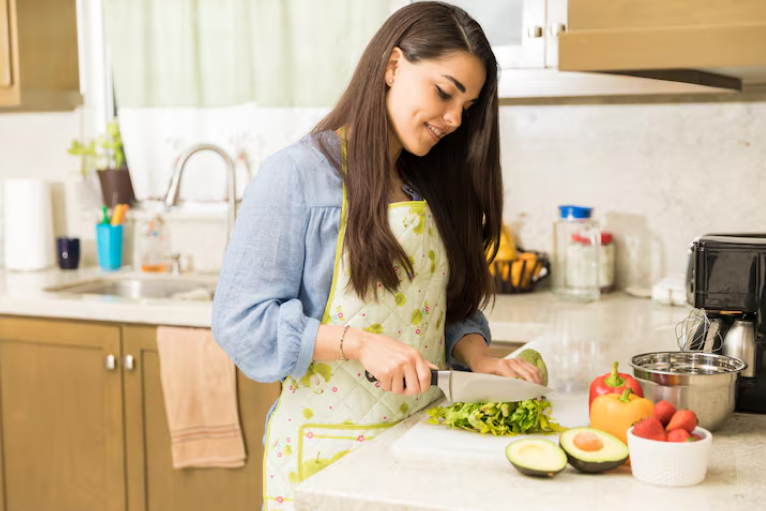
Welcome to my kitchen!
I’m a passionate home cook and recipe creator who loves turning simple ingredients into delicious, comforting meals that everyone can enjoy. Through this website, I share carefully prepared recipes, practical cooking tips, and easy-to-understand food education to help you feel more confident in the kitchen.
My goal is to make cooking simple, enjoyable, and accessible. Whether you are looking for a quick family dinner, a delicious dessert, healthy meal ideas, or traditional recipes with a modern touch, you’ll find inspiration here.
More Than Just Recipes
I believe that cooking is also a way to learn. That’s why this website is not only about recipes. I also create educational articles about ingredients, cooking techniques, kitchen tips, food preparation, and the stories behind different dishes.
Each article is designed to give you useful knowledge that you can apply in your own kitchen. From understanding how ingredients work together to learning better cooking methods, my aim is to help you become a more confident and creative cook.
My Philosophy
Good food doesn’t always require complicated ingredients or professional equipment. With a little knowledge, patience, and creativity, simple ingredients can become something truly special.
I believe in sharing recipes that are practical, clearly explained, and enjoyable to make. I also love exploring new flavors while appreciating traditional cooking and the recipes passed down through generations.
Thank you for visiting my kitchen and being part of this food-loving community. I hope my recipes and articles inspire you to cook, learn, experiment, and most importantly, enjoy every bite!
Happy cooking!