The first time I saw them, my heart jolted slightly.
It wasn’t dramatic at first—just a small moment of confusion, the kind your brain quickly tries to dismiss. But something about the scene made it stick.
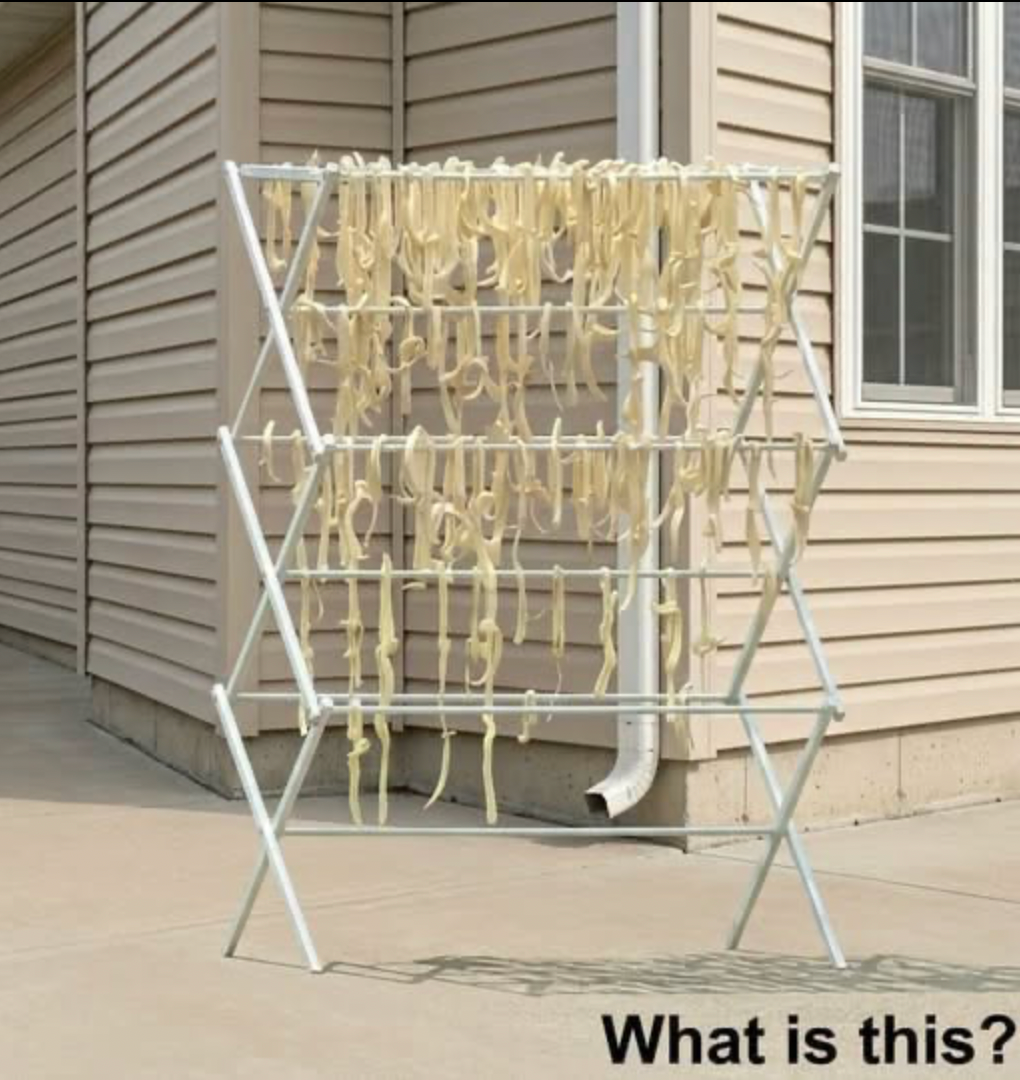
Long, pale shapes were hanging in perfect rows across a neighbor’s backyard.
They swayed gently in the air, completely still except for the breeze. Neatly spaced. Carefully arranged. Almost… deliberate.
At first glance, they didn’t look like anything familiar.
Not laundry.
Not decorations.
Not garden tools.
They were too uniform, too smooth, too intentional-looking for that. And yet too strange to be immediately understood.
And that uncertainty was exactly what made them unsettling.
Day One: The First Theory
My first thought was simple:
“Maybe it’s some kind of drying material?”
But the longer I looked, the less confident I became.
The shapes weren’t random. They were identical in length. Each one suspended at the same height. Each one aligned with careful precision, as if whoever placed them there had followed a ritual rather than a routine.
That’s when the imagination started doing what it always does when something doesn’t make sense.
Maybe it was:
- some kind of experimental craft project
- a strange agricultural technique
- an unusual art installation
- or something I wasn’t meant to understand
The yard suddenly felt different. Not just a backyard anymore—but a scene.
Day Three: The Observation Becomes Routine
At first, I told myself I would ignore it.
But I didn’t.
Every walk started to include a pause in front of that house.
The shapes were still there.
Unchanged.
Unmoved.
And the consistency of it made everything worse in the most curious way. If something is temporary, you assume it has a reason. But if it stays… your brain starts building stories around it.
I noticed more details each time:
- the way they were evenly spaced
- the careful symmetry of the lines
- the subtle texture on their surface
- the way sunlight passed through them at certain angles
It no longer felt like an accident.
It felt intentional.
And I found myself wondering why no one else in the neighborhood seemed to ask about it.
Day Five: The Theories Escalate
By now, the mystery had taken on a life of its own in my mind.
Walking past the house, I would find myself silently ranking explanations:
Maybe it was:
- some kind of drying experiment
- a forgotten construction process
- a new eco-friendly material test
- or something artistic and symbolic
But there was also a quieter, more irrational part of me that wondered if it was something more unusual—something hidden in plain sight.
Because that’s what unexplained things do.
They grow in your mind far beyond their actual size.
The Turning Point: A Closer Look
One afternoon, I slowed down more than usual.
The light was perfect—soft and golden. The shapes looked almost translucent now, like thin ribbons or flattened strips catching the sun.
And that’s when I noticed something I hadn’t seen before:
A faint texture.
Not smooth plastic. Not cloth.
Something… homemade.
Carefully shaped by hand.
And suddenly, everything shifted.
The mystery didn’t feel mysterious anymore.
It felt familiar.
The Truth Finally Revealed
The answer, when it came, was almost disappointingly simple.
It wasn’t an experiment.
It wasn’t an installation.
It wasn’t anything strange at all.
It was homemade pasta.
Freshly prepared dough, cut into long strips and hung carefully to dry in the sun—just like people have done for generations in kitchens where food is made slowly, intentionally, and with care.
What I had been watching all along was not a puzzle.
It was preparation.
A quiet, traditional method of drying pasta so it could be stored and cooked later.
Why It Looked So Mysterious
The funny thing is, understanding it didn’t make it less fascinating.
If anything, it made it more interesting.
Because suddenly, I could see it differently:
- each strand of pasta carefully shaped
- each row hung with patience
- each piece slowly transforming under sunlight and air
What looked eerie at first was actually something deeply ordinary in another context.
It wasn’t strange.
It was just unfamiliar.
And unfamiliar things always feel bigger than they are.
The Shift in Perspective
What changed wasn’t the object.
It was me.
The moment I understood what I was seeing, the entire emotional tone of the scene shifted:
- confusion turned into appreciation
- suspicion turned into curiosity
- mystery turned into respect
Because there’s something quietly beautiful about seeing a simple tradition play out in a modern, everyday neighborhood.
It reminded me that not everything unfamiliar is unusual—and not everything unusual is important.
Sometimes, it’s just someone in their backyard doing something the old way.
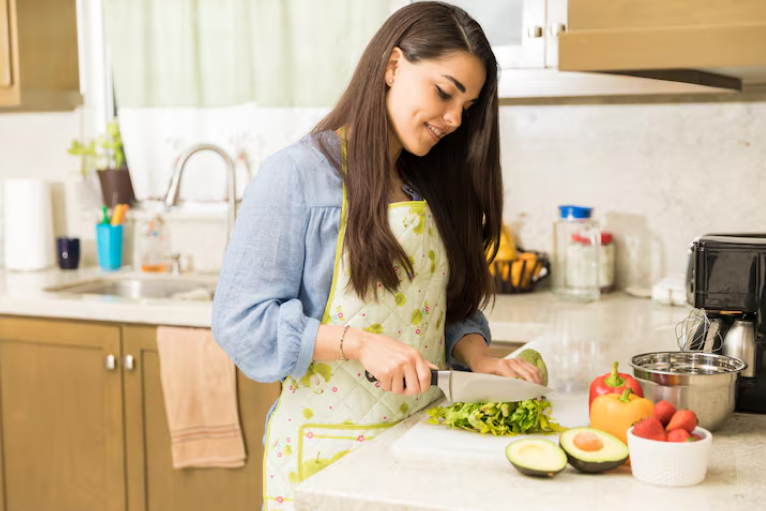
Welcome to my kitchen!
I’m a passionate home cook and recipe creator who loves turning simple ingredients into delicious, comforting meals that everyone can enjoy. Through this website, I share carefully prepared recipes, practical cooking tips, and easy-to-understand food education to help you feel more confident in the kitchen.
My goal is to make cooking simple, enjoyable, and accessible. Whether you are looking for a quick family dinner, a delicious dessert, healthy meal ideas, or traditional recipes with a modern touch, you’ll find inspiration here.
More Than Just Recipes
I believe that cooking is also a way to learn. That’s why this website is not only about recipes. I also create educational articles about ingredients, cooking techniques, kitchen tips, food preparation, and the stories behind different dishes.
Each article is designed to give you useful knowledge that you can apply in your own kitchen. From understanding how ingredients work together to learning better cooking methods, my aim is to help you become a more confident and creative cook.
My Philosophy
Good food doesn’t always require complicated ingredients or professional equipment. With a little knowledge, patience, and creativity, simple ingredients can become something truly special.
I believe in sharing recipes that are practical, clearly explained, and enjoyable to make. I also love exploring new flavors while appreciating traditional cooking and the recipes passed down through generations.
Thank you for visiting my kitchen and being part of this food-loving community. I hope my recipes and articles inspire you to cook, learn, experiment, and most importantly, enjoy every bite!
Happy cooking!