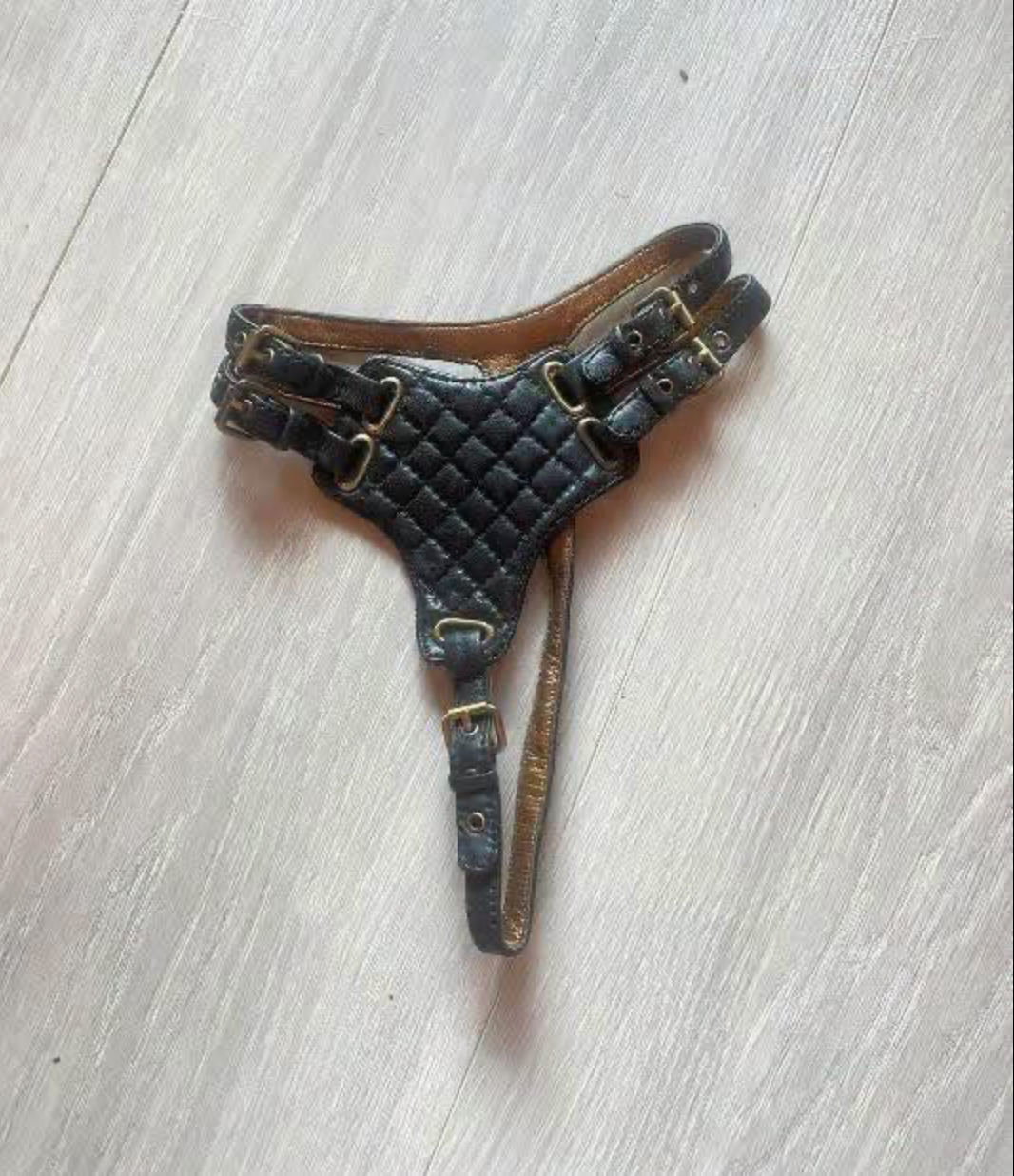
Fashion trends may come and go, but certain accessories have a remarkable ability to remain relevant across generations. One such accessory is the vintage boot strap. Although often overlooked, these simple leather or metal loops have played an important role in both the practicality and style of boots for well over a century. Originally designed to help people pull on tall, snug-fitting boots with ease, boot straps eventually became a distinctive design feature that reflected craftsmanship, durability, and personal style.
Today, vintage boot straps continue to capture the attention of fashion enthusiasts, collectors, historians, and lovers of classic footwear. Whether attached to rugged cowboy boots, elegant riding boots, traditional work boots, or handcrafted Western footwear, these small details tell a story of skilled craftsmanship and a time when boots were built to last for decades rather than seasons.
Far more than decorative loops, vintage boot straps represent the meeting point of function, fashion, and heritage. Their enduring popularity demonstrates how thoughtful design can remain useful while also becoming an iconic style element.
What Are Boot Straps?
Boot straps, often called boot pull straps, pull loops, or boot tabs, are reinforced loops attached near the top opening of many boots.
They are commonly made from:
- Full-grain leather.
- Heavy-duty stitched leather.
- Braided leather.
- Cotton webbing.
- Nylon.
- Metal rings.
- Reinforced synthetic materials.
Most tall boots include one strap on each side of the boot shaft, allowing both hands to grip the loops while pulling the boot onto the foot.
Although they appear simple, their placement and construction are carefully designed to withstand repeated use.
The Original Purpose of Boot Straps
Before elastic materials became common in footwear, many boots fit quite tightly around the ankle and calf.
Pulling them on could require considerable effort.
Boot straps provided extra leverage by allowing the wearer to:
- Grip the boot securely.
- Pull evenly with both hands.
- Slide the foot into place more comfortably.
- Reduce strain on the leather.
- Avoid excessive bending of the boot shaft.
For ranchers, farmers, riders, soldiers, and workers who put on their boots every day, these straps were an essential practical feature.
A History Rooted in Function
Boot straps have been used for generations across many cultures.
They became especially common on:
- Cowboy boots.
- Riding boots.
- Military boots.
- Wellington boots.
- Work boots.
- Engineer boots.
In the nineteenth and early twentieth centuries, boots were often custom made by skilled cobblers.
Each pair reflected careful handcraftsmanship, and even seemingly small details like pull straps received close attention.
Many boot makers decorated the straps with:
- Decorative stitching.
- Embossed leather.
- Contrasting colors.
- Hand tooling.
- Brand logos.
These details helped distinguish one craftsman from another while adding personality to the footwear.
Why Vintage Boot Straps Are Still Admired
Today, vintage boot straps appeal to many people because they combine practicality with timeless aesthetics.
They evoke a sense of:
- Tradition.
- Heritage.
- Durability.
- Authentic craftsmanship.
- Classic Western style.
- Outdoor adventure.
- Everyday functionality.
Many collectors appreciate the way these small details reflect decades of careful use and quality manufacturing.
Different Types of Boot Straps
Not all boot straps are identical.
Common designs include:
Leather Pull Loops
The most traditional style.
Usually made from thick, durable leather stitched securely into the boot.
Braided Leather Straps
Often found on premium handcrafted boots.
They combine strength with decorative appeal.
Fabric Pull Loops
Frequently used on hiking boots and military footwear.
Lightweight and highly durable.
Metal Pull Rings
Less common but occasionally found on specialty work boots or vintage designs.
The Importance of Quality Leather
Traditional boot straps were often made from full-grain leather because of its remarkable durability.
Full-grain leather:
- Ages beautifully.
- Develops a rich patina.
- Resists wear.
- Remains flexible.
- Can last for decades with proper care.
Over time, each strap develops unique markings that tell the story of years of use.
More Than Just Decoration
Although modern fashion often emphasizes appearance, boot straps continue to serve practical purposes.
They make putting on boots easier while helping reduce unnecessary stress on:
- Heel counters.
- Boot shafts.
- Side seams.
- Leather panels.
Using the straps correctly can even help extend the life of the boots.
Caring for Vintage Boot Straps
Proper maintenance helps preserve both appearance and durability.
Recommended care includes:
- Cleaning dust regularly.
- Wiping with a damp cloth.
- Conditioning leather periodically.
- Avoiding prolonged moisture.
- Allowing boots to dry naturally.
- Storing boots upright.
Leather conditioner helps prevent cracking while maintaining flexibility.
Common Signs of Wear
Over many years, vintage boot straps may show:
- Softened leather.
- Darkened patina.
- Minor cracking.
- Worn stitching.
- Smooth edges.
- Natural creasing.
These characteristics are often considered desirable because they reflect authentic aging rather than damage.
Boot Straps in Modern Fashion
Although originally created for function, boot straps have become an iconic style feature.
They are now found on:
- Western boots.
- Chelsea-inspired designs.
- Fashion boots.
- Designer footwear.
- Outdoor boots.
- Motorcycle boots.
Even when elastic materials make them less necessary, designers often include pull loops because they contribute to the overall appearance.
Why Vintage Boots Remain Popular
Vintage boots continue to attract collectors because they often feature:
- Superior leather quality.
- Handcrafted construction.
- Durable stitching.
- Repairable soles.
- Unique aging characteristics.
- Timeless design.
Many older boots can be resoled multiple times, allowing them to remain wearable for decades.
How to Style Vintage Boots
Classic boots pair well with many outfits.
Popular combinations include:
- Straight-leg jeans.
- Denim jackets.
- Wool coats.
- Leather belts.
- Flannel shirts.
- Casual dresses.
- Chinos.
- Corduroy trousers.
The goal is often to allow the boots themselves to become the focal point of the outfit.
Storage Tips
Proper storage helps preserve leather.
Store boots:
- In a cool, dry location.
- Away from direct sunlight.
- With boot trees if possible.
- Standing upright.
- Clean before long-term storage.
Avoid storing leather boots in damp environments, which may encourage mold growth.
Frequently Asked Questions
Are boot straps only decorative?
No. Their original purpose was to make boots easier to pull on while reducing stress on the footwear.
Can damaged boot straps be repaired?
In many cases, yes. Skilled cobblers can often replace worn straps or repair damaged stitching.
Why do vintage boot straps look different from modern ones?
Older boots were frequently handcrafted, resulting in subtle variations in materials, stitching, and design.
Should I pull on the straps every time?
Yes, provided the straps are securely attached and in good condition. They are specifically designed for this purpose.
Why do collectors value worn leather?
Natural wear creates a unique patina that reflects years of use and gives vintage leather its distinctive character.

Welcome to my kitchen!
I’m a passionate home cook and recipe creator who loves turning simple ingredients into delicious, comforting meals that everyone can enjoy. Through this website, I share carefully prepared recipes, practical cooking tips, and easy-to-understand food education to help you feel more confident in the kitchen.
My goal is to make cooking simple, enjoyable, and accessible. Whether you are looking for a quick family dinner, a delicious dessert, healthy meal ideas, or traditional recipes with a modern touch, you’ll find inspiration here.
More Than Just Recipes
I believe that cooking is also a way to learn. That’s why this website is not only about recipes. I also create educational articles about ingredients, cooking techniques, kitchen tips, food preparation, and the stories behind different dishes.
Each article is designed to give you useful knowledge that you can apply in your own kitchen. From understanding how ingredients work together to learning better cooking methods, my aim is to help you become a more confident and creative cook.
My Philosophy
Good food doesn’t always require complicated ingredients or professional equipment. With a little knowledge, patience, and creativity, simple ingredients can become something truly special.
I believe in sharing recipes that are practical, clearly explained, and enjoyable to make. I also love exploring new flavors while appreciating traditional cooking and the recipes passed down through generations.
Thank you for visiting my kitchen and being part of this food-loving community. I hope my recipes and articles inspire you to cook, learn, experiment, and most importantly, enjoy every bite!
Happy cooking!