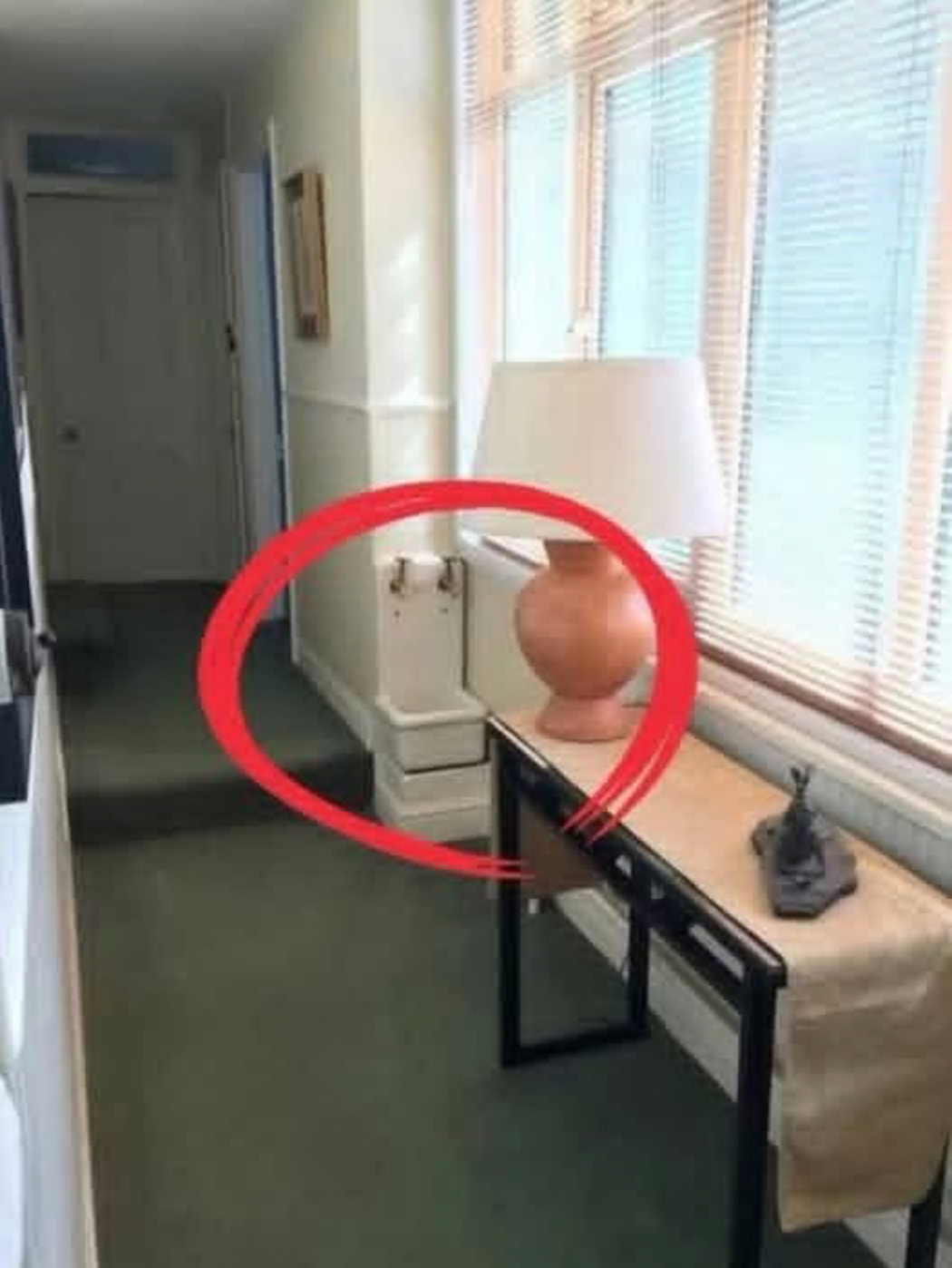
If you have ever walked through an older home and noticed a sink sitting in the middle of a hallway, near a staircase landing, or tucked into an unexpected corner far from any obvious bathroom or kitchen, you may have found yourself wondering why it was placed there in the first place.
To modern homeowners, a hallway sink can seem strange, impractical, or even like a remodeling mistake. After all, contemporary homes are designed with dedicated spaces for washing, cooking, and personal hygiene. Sinks are typically found in kitchens, bathrooms, laundry rooms, and utility areas. Discovering one in a hallway often feels out of place.
Yet these unusual fixtures are not accidents. In many cases, they are surviving pieces of architectural history that tell a fascinating story about how people lived, worked, cleaned, and maintained their homes generations ago.
The presence of a hallway sink reflects a time when homes operated differently, public health concerns were evolving, and household routines required practical solutions that may seem unusual by modern standards.
Understanding why these sinks exist offers a unique glimpse into changing lifestyles, advances in plumbing technology, and the everyday realities of life in earlier eras.
The Mystery of the Hallway Sink
Many people first encounter a hallway sink while:
- touring an older home
- purchasing a historic property
- visiting grandparents
- exploring vintage buildings
- watching renovation programs
The reaction is often the same:
“Why is there a sink here?”
Unlike modern design features, hallway sinks often appear disconnected from their surroundings.
You might find one:
- between bedrooms
- near the top of a staircase
- outside a bathroom
- in an upstairs corridor
- adjacent to servant quarters
Their placement seems unusual only because modern homes are organized very differently than those built a century ago.
A Window Into the Past
To understand the hallway sink, we need to travel back to a time before modern plumbing became standard.
During the late 19th and early 20th centuries, many homes lacked:
- multiple bathrooms
- indoor plumbing throughout the house
- hot and cold running water in every room
Even homes considered luxurious by the standards of their day often had limited bathroom facilities.
Families had to find practical ways to manage hygiene and daily routines.
The hallway sink was one of those solutions.
Before Every Bedroom Had a Bathroom
Today many homes feature:
- ensuite bathrooms
- guest bathrooms
- powder rooms
- multiple sinks
This was not the case in older houses.
In many homes, a single bathroom served an entire family.
Some houses had no bathroom at all when originally built.
As plumbing technology gradually improved, homeowners sought convenient places to install water fixtures without completely redesigning the structure.
Hallway sinks became a practical compromise.
The Rise of Indoor Plumbing
Indoor plumbing transformed domestic life.
Before widespread plumbing systems, people often relied on:
- wells
- pumps
- wash basins
- water pitchers
- outdoor facilities
The introduction of indoor water lines represented a major improvement in comfort and sanitation.
However, retrofitting existing homes was expensive and complicated.
Installing a full bathroom required:
- water supply lines
- drainage pipes
- ventilation
- structural modifications
A hallway sink was far easier to install.
It provided running water without requiring a complete bathroom renovation.
The Importance of Personal Hygiene
Personal hygiene standards changed significantly during the late 1800s and early 1900s.
Growing awareness of germs and disease encouraged people to wash more frequently.
Public health campaigns emphasized:
- handwashing
- dental care
- cleanliness
Hallway sinks offered a convenient place for family members to:
- wash their hands
- brush their teeth
- freshen up
- wash their faces
This was especially valuable during busy mornings when multiple people needed access to water.
The “Wash-Up” Tradition
Many households practiced what was known as the morning “wash-up.”
Before modern bathrooms became common, family members often:
- washed their faces
- cleaned their hands
- groomed themselves
using simple basins and pitchers.
As indoor plumbing expanded, hallway sinks replaced these portable washing stations.
The sink became a centralized location for daily grooming.
Hallway Sinks and Shared Bathrooms
One major reason for hallway sinks was bathroom congestion.
Imagine a large family sharing:
- one bathroom
- one sink
- one mirror
Morning routines could become chaotic.
A hallway sink allowed someone to:
- brush teeth
- wash hands
- comb hair
without occupying the bathroom.
This improved household efficiency and reduced waiting times.
Homes With Servants
In larger historic homes, hallway sinks often served practical household functions.
Domestic staff used them for:
- cleaning tasks
- filling buckets
- washing cloths
- quick sanitation needs
Some sinks were intentionally placed near servant quarters or work areas.
These locations helped support the daily operation of large households.
The Influence of Public Health Movements
The late nineteenth century saw major advances in medical understanding.
As scientists learned more about bacteria and disease transmission, cleanliness became increasingly important.
Architects and builders began incorporating features designed to improve sanitation.
These included:
- better ventilation
- easier-to-clean surfaces
- additional washing stations
Hallway sinks reflected this growing emphasis on hygiene.
Water Accessibility Throughout the Home
Today we take easy access to running water for granted.
Older homeowners often viewed any additional water source as a luxury.
A hallway sink reduced the need to:
- carry water upstairs
- walk long distances
- share limited facilities
It brought convenience closer to bedrooms and living spaces.
Architectural Adaptation
Many hallway sinks were not part of the home’s original design.
Instead, they were added later as technology improved.
Homeowners frequently modernized houses over decades.
A sink could be installed in a hallway because:
- plumbing access was available
- renovation costs were lower
- structural changes were minimal
These additions reflect the gradual evolution of domestic architecture.
Decorative Hallway Sinks
Not every hallway sink was purely functional.
Some were surprisingly elegant.
Features often included:
- porcelain basins
- decorative tile backsplashes
- ornate faucets
- carved wooden cabinetry
- marble countertops
These details indicate that homeowners viewed them as both useful and attractive.
Why Many Hallway Sinks Remain Today
Many historic homes retain their hallway sinks because removing them can be difficult.
Elimination often requires:
- plumbing modifications
- wall repairs
- flooring replacement
As a result, homeowners frequently leave them in place.
In some cases, preservation-minded owners intentionally keep them as historical features.
Modern Reactions
Today’s homebuyers often have mixed reactions.
Some see hallway sinks as:
- charming
- unique
- historically significant
Others view them as:
- awkward
- outdated
- unnecessary
Their unusual placement naturally attracts curiosity.
The Growing Appreciation for Historic Homes
Interest in historic preservation has increased in recent decades.
Many homeowners now appreciate original architectural details such as:
- pocket doors
- built-in cabinets
- vintage hardware
- decorative moldings
- hallway sinks
These elements provide character that modern construction sometimes lacks.
Creative Modern Uses
People who keep hallway sinks often find creative ways to use them.
Common uses include:
Plant Watering Station
A convenient location for caring for indoor plants.
Pet Care Area
Useful for washing pet bowls or filling water dishes.
Craft Space
Ideal for artists and hobbyists.
Guest Convenience
Provides extra handwashing access during gatherings.
Decorative Feature
Can serve as a unique design element.
What Hallway Sinks Teach Us About History
Hallway sinks reveal how homes adapted to changing needs.
They tell stories about:
- technological progress
- public health improvements
- family life
- architectural evolution
What appears odd today once represented innovation and convenience.
Similar Features Found in Older Homes
Hallway sinks are just one example of historical design choices that puzzle modern homeowners.
Other unusual features include:
- sleeping porches
- milk delivery doors
- telephone niches
- ironing board cabinets
- servant staircases
Each feature reflects a specific need of its time.
Preserving a Piece of the Past
For owners of historic homes, hallway sinks can serve as valuable reminders of earlier generations.
Rather than viewing them as mistakes, many preservationists see them as:
- artifacts of daily life
- examples of craftsmanship
- connections to local history
They offer tangible links to how people once lived.
Why the Hallway Sink Continues to Fascinate
The hallway sink captures attention because it challenges modern expectations.
It seems out of place until its history is understood.
Once people learn its purpose, the sink becomes more than an odd fixture—it becomes a conversation piece and a glimpse into another era.

Welcome to my kitchen!
I’m a passionate home cook and recipe creator who loves turning simple ingredients into delicious, comforting meals that everyone can enjoy. Through this website, I share carefully prepared recipes, practical cooking tips, and easy-to-understand food education to help you feel more confident in the kitchen.
My goal is to make cooking simple, enjoyable, and accessible. Whether you are looking for a quick family dinner, a delicious dessert, healthy meal ideas, or traditional recipes with a modern touch, you’ll find inspiration here.
More Than Just Recipes
I believe that cooking is also a way to learn. That’s why this website is not only about recipes. I also create educational articles about ingredients, cooking techniques, kitchen tips, food preparation, and the stories behind different dishes.
Each article is designed to give you useful knowledge that you can apply in your own kitchen. From understanding how ingredients work together to learning better cooking methods, my aim is to help you become a more confident and creative cook.
My Philosophy
Good food doesn’t always require complicated ingredients or professional equipment. With a little knowledge, patience, and creativity, simple ingredients can become something truly special.
I believe in sharing recipes that are practical, clearly explained, and enjoyable to make. I also love exploring new flavors while appreciating traditional cooking and the recipes passed down through generations.
Thank you for visiting my kitchen and being part of this food-loving community. I hope my recipes and articles inspire you to cook, learn, experiment, and most importantly, enjoy every bite!
Happy cooking!