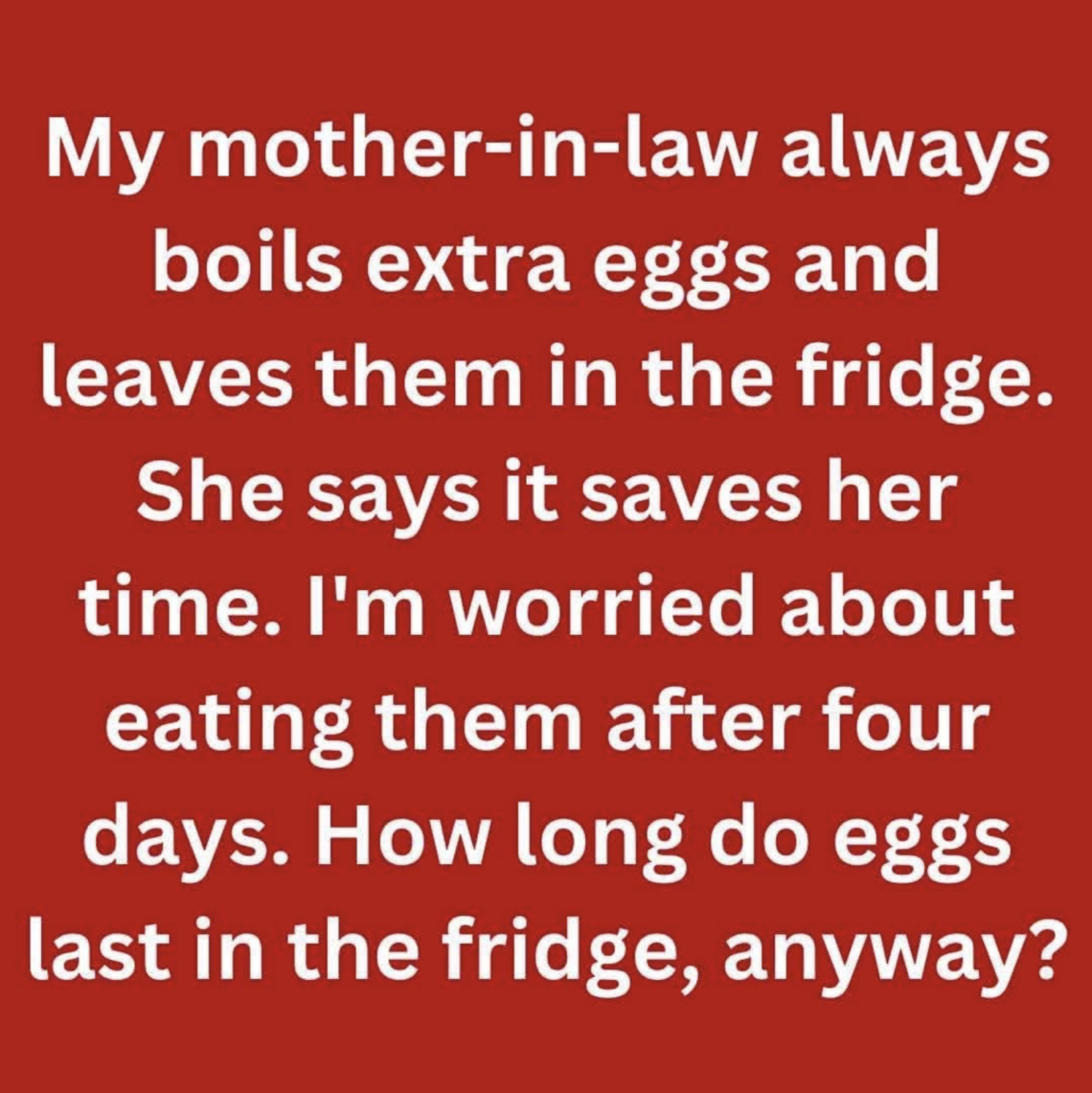
Hard-boiled eggs are one of the most convenient foods you can prepare ahead of time. They are affordable, packed with protein, easy to carry, and versatile enough to be used in breakfasts, lunches, snacks, salads, sandwiches, and countless recipes. Whether you’re meal-prepping for a busy week, packing lunches, or simply looking for a quick healthy snack, hard-boiled eggs are a popular choice.
However, one question comes up again and again:
How long do hard-boiled eggs actually last in the refrigerator?
The answer is relatively straightforward, but there are several factors that can affect freshness, quality, texture, and safety. Understanding proper storage methods can help you get the most out of your eggs while avoiding waste and ensuring they remain safe to eat.
The Short Answer
When properly refrigerated, hard-boiled eggs generally last:
Up to 1 week (7 days) in the refrigerator.
This applies whether the eggs are:
- peeled
- unpeeled
- stored on their own
- prepared for meal prep
For the best quality and food safety, consume them within that one-week period.
Why Hard-Boiled Eggs Don’t Last as Long as Raw Eggs
Many people are surprised to learn that hard-boiled eggs actually have a shorter refrigerator life than fresh raw eggs.
Raw eggs have a natural protective coating on the shell called the cuticle or bloom.
This invisible layer helps:
- block bacteria
- reduce moisture loss
- protect the egg interior
When eggs are boiled:
- the protective coating is removed
- tiny pores in the shell become more vulnerable
- moisture escapes more easily
As a result, hard-boiled eggs become more susceptible to quality deterioration.
Understanding Egg Freshness
Freshness is not just about safety.
Over time, hard-boiled eggs may experience:
- texture changes
- moisture loss
- flavor changes
- odor development
Even if an egg remains safe to eat, it may no longer taste its best.
For optimal quality, many people prefer consuming hard-boiled eggs within:
3–5 days
although they can remain safe for up to a week when stored properly.
Peeled vs. Unpeeled Hard-Boiled Eggs
One of the most important factors affecting freshness is whether the eggs remain in their shells.
Unpeeled Hard-Boiled Eggs
Unpeeled eggs generally stay fresh longer.
The shell provides:
- protection from odors
- protection from moisture loss
- additional defense against contamination
If possible, leave eggs in their shells until you’re ready to eat them.
Benefits include:
- better texture
- longer freshness
- less drying out
Peeled Hard-Boiled Eggs
Peeled eggs are more convenient but require extra care.
Once peeled:
- moisture escapes faster
- the egg can absorb refrigerator odors
- texture may become rubbery
To prevent drying out:
- store in a sealed container
- use within several days
- keep refrigerated at all times
Best Refrigerator Storage Practices
Proper storage makes a significant difference.
Store Eggs in a Covered Container
Instead of leaving eggs exposed, place them in:
- airtight containers
- sealed food storage containers
- covered meal-prep containers
This helps maintain freshness and prevents odor absorption.
Keep Eggs Cold
Hard-boiled eggs should be refrigerated as soon as possible after cooking and cooling.
The refrigerator temperature should ideally remain:
At or below 40°F (4°C)
Consistent refrigeration slows bacterial growth and helps preserve quality.
Label the Date
One simple but highly effective habit is labeling containers.
Write:
- boiling date
- storage date
This removes any guesswork later.
Many people forget exactly when eggs were cooked.
A date label makes it easy to track freshness.
How to Cool Hard-Boiled Eggs Properly
Cooling is an important step that many people overlook.
After boiling:
- Transfer eggs to cold water or an ice bath.
- Allow them to cool completely.
- Refrigerate promptly.
Rapid cooling helps:
- stop the cooking process
- improve peeling
- preserve texture
- reduce food safety concerns
Signs That Hard-Boiled Eggs Have Gone Bad
Even with proper storage, eggs should always be checked before eating.
Common warning signs include:
Unpleasant Odor
A strong sulfur smell immediately after peeling can sometimes be normal.
However, a foul, sour, or rotten odor is a major warning sign.
If an egg smells bad:
discard it immediately.
Slimy Surface
A slippery or slimy texture is not normal.
This may indicate bacterial growth.
Discard any egg with a slimy exterior.
Discoloration
While a green-gray ring around the yolk is harmless and results from overcooking, unusual colors such as:
- pink
- rainbow-like sheen
- black spots
- mold growth
are reasons to discard the egg.
Unusual Texture
If the egg feels:
- excessively mushy
- sticky
- strangely wet
it is best not to eat it.
The Green Ring Around the Yolk
Many people worry when they see a green-gray ring surrounding the yolk.
Fortunately, this is completely harmless.
The ring forms when:
- eggs are overcooked
- eggs cool too slowly
A reaction occurs between sulfur in the egg white and iron in the yolk.
Although it may affect appearance, it does not indicate spoilage.
Can Hard-Boiled Eggs Be Frozen?
Technically, freezing is possible, but results are mixed.
Egg whites tend to become:
- rubbery
- watery
- unpleasant in texture
Yolks freeze better than whites, but most people prefer not to freeze hard-boiled eggs.
For best quality:
- refrigerate instead of freezing
Meal Prep Benefits of Hard-Boiled Eggs
Hard-boiled eggs are one of the most popular meal-prep foods because they offer:
- convenience
- portability
- nutrition
- versatility
They can be used in:
- breakfast bowls
- salads
- sandwiches
- wraps
- snack boxes
- grain bowls
Preparing several eggs at the beginning of the week can save time every day.
Nutritional Benefits
Hard-boiled eggs are nutrient-dense foods.
They provide:
- high-quality protein
- vitamins
- minerals
- healthy fats
Nutrients found in eggs include:
- Vitamin B12
- Vitamin D
- Selenium
- Choline
- Riboflavin
- Folate
They are also naturally filling, making them a satisfying snack option.
Common Mistakes People Make
Leaving Eggs Out Too Long
Hard-boiled eggs should not sit at room temperature for extended periods.
For safety, refrigerate them promptly after cooling.
Storing Warm Eggs
Placing warm eggs directly into a sealed container may create excess moisture.
Allow eggs to cool first.
Forgetting Storage Dates
Many people simply cannot remember when eggs were prepared.
Labeling containers prevents uncertainty.
Using Damaged Eggs
Cracked or damaged hard-boiled eggs should be eaten sooner rather than later.
Their protective barrier is compromised.
Tips for Better Flavor and Texture
To enjoy the best possible hard-boiled eggs:
- use fresh, high-quality eggs
- avoid overcooking
- cool quickly after boiling
- store properly
- peel only when needed
These small habits help preserve both texture and flavor.
Creative Ways to Use Hard-Boiled Eggs
If you have several eggs nearing the end of their storage period, consider using them in:
Egg Salad
Creamy, classic, and perfect for sandwiches.
Cobb Salad
Adds protein and richness.
Deviled Eggs
A favorite for gatherings and holidays.
Breakfast Bowls
Combine with vegetables and grains.
Potato Salad
A traditional and satisfying addition.
Sandwiches
Slice and layer with lettuce and tomatoes.
Protein Snacks
Eat with a little salt, pepper, or seasoning.
Frequently Asked Questions
Can I eat a hard-boiled egg after 7 days?
Generally, quality declines after a week. For safety and best flavor, it’s recommended to consume hard-boiled eggs within 7 days.
Is it better to store them peeled or unpeeled?
Unpeeled eggs typically stay fresher longer because the shell provides additional protection.
Why do hard-boiled eggs smell stronger than raw eggs?
Cooking releases sulfur compounds naturally found in eggs, creating the characteristic egg smell.
Can I take hard-boiled eggs to work or school?
Yes, but they should not remain unrefrigerated for extended periods. An insulated lunch bag with a cold pack is ideal.

Welcome to my kitchen!
I’m a passionate home cook and recipe creator who loves turning simple ingredients into delicious, comforting meals that everyone can enjoy. Through this website, I share carefully prepared recipes, practical cooking tips, and easy-to-understand food education to help you feel more confident in the kitchen.
My goal is to make cooking simple, enjoyable, and accessible. Whether you are looking for a quick family dinner, a delicious dessert, healthy meal ideas, or traditional recipes with a modern touch, you’ll find inspiration here.
More Than Just Recipes
I believe that cooking is also a way to learn. That’s why this website is not only about recipes. I also create educational articles about ingredients, cooking techniques, kitchen tips, food preparation, and the stories behind different dishes.
Each article is designed to give you useful knowledge that you can apply in your own kitchen. From understanding how ingredients work together to learning better cooking methods, my aim is to help you become a more confident and creative cook.
My Philosophy
Good food doesn’t always require complicated ingredients or professional equipment. With a little knowledge, patience, and creativity, simple ingredients can become something truly special.
I believe in sharing recipes that are practical, clearly explained, and enjoyable to make. I also love exploring new flavors while appreciating traditional cooking and the recipes passed down through generations.
Thank you for visiting my kitchen and being part of this food-loving community. I hope my recipes and articles inspire you to cook, learn, experiment, and most importantly, enjoy every bite!
Happy cooking!