A Complete Guide to Healthy Menstrual Hygiene and Everyday Protection
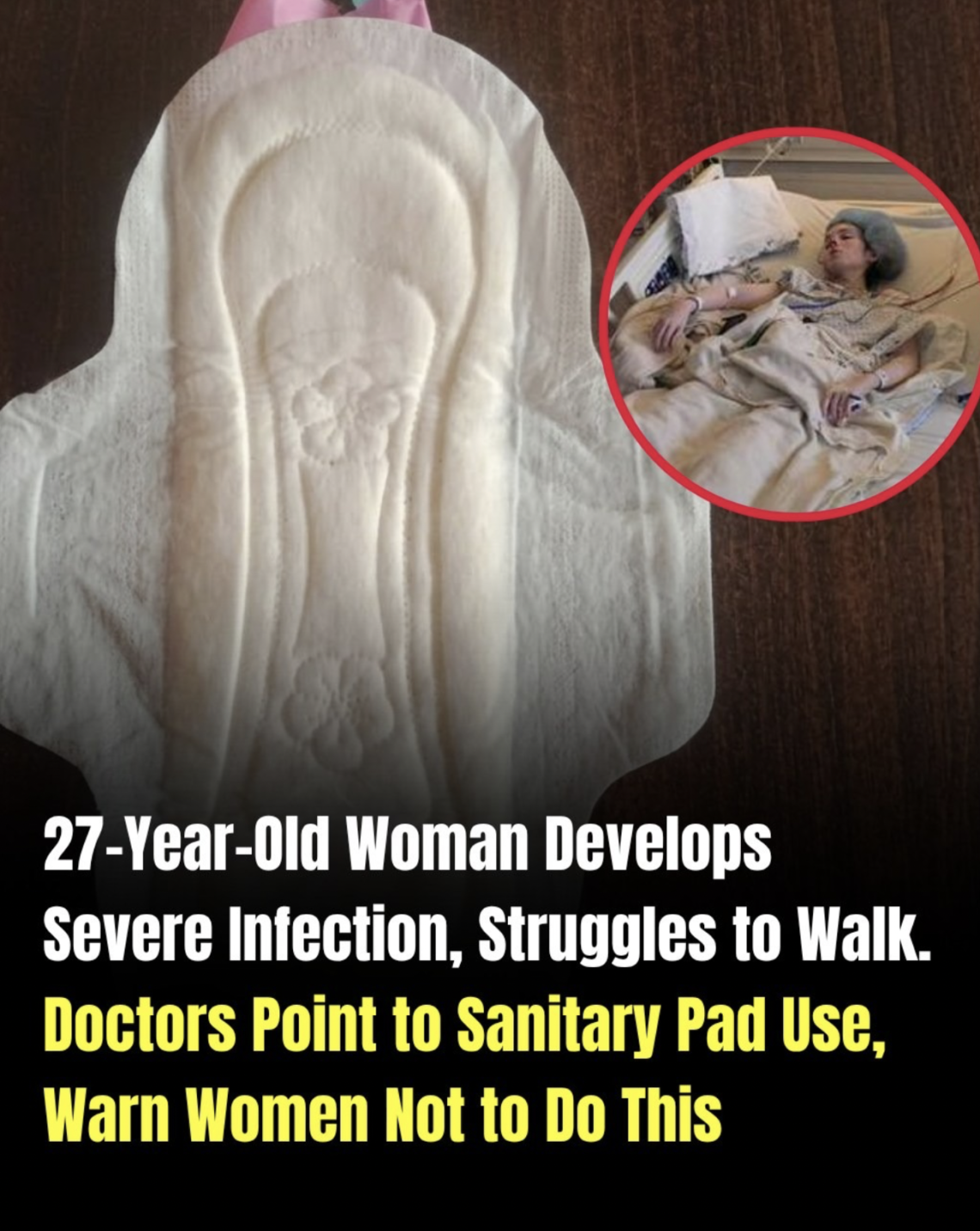
Menstrual hygiene is something many people learn through quick advice, family habits, or trial and error. Yet it plays a critical role in overall health, comfort, and confidence. Among the most commonly used products during menstruation are sanitary pads—simple, effective, and widely accessible.
But while pads are generally safe, how they are used, how often they are changed, and how they are stored can make a significant difference in preventing irritation and infections.
This guide explores everything you need to know—clearly and practically—so you can make informed, healthy choices.
Understanding the Basics: Why Hygiene Matters
During menstruation, the body naturally releases blood and tissue from the uterus. This creates a warm, moist environment when absorbed by a pad—conditions that can encourage bacterial growth if hygiene is not maintained properly.
Without proper care, this environment may increase the risk of infections such as:
- vaginal infections
- urinary tract infections
The goal is not to create fear—but awareness. With simple habits, these risks can be minimized.
How Often Should You Change a Pad?
One of the most important habits is changing pads regularly.
Recommended guideline:
- Every 4 to 6 hours, even if the flow is light
Why this matters:
- Prevents buildup of bacteria
- Reduces odor
- Keeps the area dry and comfortable
Leaving a pad on for too long allows moisture and heat to build up, which can lead to irritation or infection.
Choosing the Right Type of Pad
Not all pads are the same. Choosing the right one for your body and flow is essential.
1. Absorbency Level
Pads come in different absorbencies:
- Light
- Regular
- Heavy / overnight
Using a pad that matches your flow helps:
- Prevent leaks
- Avoid excessive moisture
2. Breathable Materials
Pads made with breathable layers allow airflow, which helps keep the area drier.
3. Fragrance-Free Options
Scented pads may seem appealing, but they can:
- Irritate sensitive skin
- Disrupt natural balance
Fragrance-free options are generally safer for daily use.
Proper Hygiene Practices
1. Wash Hands Before and After
Always wash your hands when:
- Changing a pad
- Handling menstrual products
This prevents transferring bacteria.
2. Clean the Intimate Area Gently
Use:
- Clean water
- Mild, unscented soap if needed
Avoid harsh products that can disrupt the natural environment.
3. Wipe Correctly
Always wipe:
- From front to back
This reduces the risk of bacteria entering the urinary tract.
Recognizing Early Warning Signs
Being aware of your body helps you act early if something feels wrong.
Watch for:
- Itching or irritation
- Unusual discharge
- Strong or unusual odor
- Burning sensation
These may be early signs of issues like yeast infection or other imbalances.
If symptoms persist, it’s important to seek medical advice.
Skin Irritation and How to Prevent It
Pads can sometimes cause friction or irritation, especially during long wear.
Tips to reduce irritation:
- Change pads frequently
- Choose softer, high-quality materials
- Wear breathable cotton underwear
- Keep the area dry
Overnight Use: Special Considerations
During sleep, pads are worn longer, so extra care is needed.
Tips:
- Use overnight pads with higher absorbency
- Change immediately in the morning
- Maintain good hygiene before and after sleep
Storage and Handling
How you store pads also matters.
Best practices:
- Keep in a clean, dry place
- Avoid humid environments
- Keep packaging sealed until use
This prevents contamination.
Environmental and Health Awareness
Some people choose organic or eco-friendly pads.
These may:
- Reduce exposure to certain chemicals
- Be gentler on sensitive skin
However, the most important factor remains proper usage and hygiene.
Common Myths About Pad Safety
Myth 1: “You only need to change when it’s full”
False. Pads should be changed regularly regardless of flow.
Myth 2: “Scented pads are more hygienic”
False. Fragrance can cause irritation.
Myth 3: “Infections are unavoidable”
False. Good hygiene significantly reduces risk.
The Bigger Picture: Comfort, Confidence, and Health
Menstrual care is not just about managing flow—it’s about:
- Feeling comfortable
- Staying healthy
- Maintaining confidence in daily life
Small habits, like changing pads regularly and choosing the right products, can have a big impact.
Welcome to my kitchen!
I’m a passionate home cook and recipe creator who loves turning simple ingredients into delicious, comforting meals that everyone can enjoy. Through this website, I share carefully prepared recipes, practical cooking tips, and easy-to-understand food education to help you feel more confident in the kitchen.
My goal is to make cooking simple, enjoyable, and accessible. Whether you are looking for a quick family dinner, a delicious dessert, healthy meal ideas, or traditional recipes with a modern touch, you’ll find inspiration here.
More Than Just Recipes
I believe that cooking is also a way to learn. That’s why this website is not only about recipes. I also create educational articles about ingredients, cooking techniques, kitchen tips, food preparation, and the stories behind different dishes.
Each article is designed to give you useful knowledge that you can apply in your own kitchen. From understanding how ingredients work together to learning better cooking methods, my aim is to help you become a more confident and creative cook.
My Philosophy
Good food doesn’t always require complicated ingredients or professional equipment. With a little knowledge, patience, and creativity, simple ingredients can become something truly special.
I believe in sharing recipes that are practical, clearly explained, and enjoyable to make. I also love exploring new flavors while appreciating traditional cooking and the recipes passed down through generations.
Thank you for visiting my kitchen and being part of this food-loving community. I hope my recipes and articles inspire you to cook, learn, experiment, and most importantly, enjoy every bite!
Happy cooking!