A Hearty, Rustic Eastern European Comfort Dish (Full Detailed Guide)
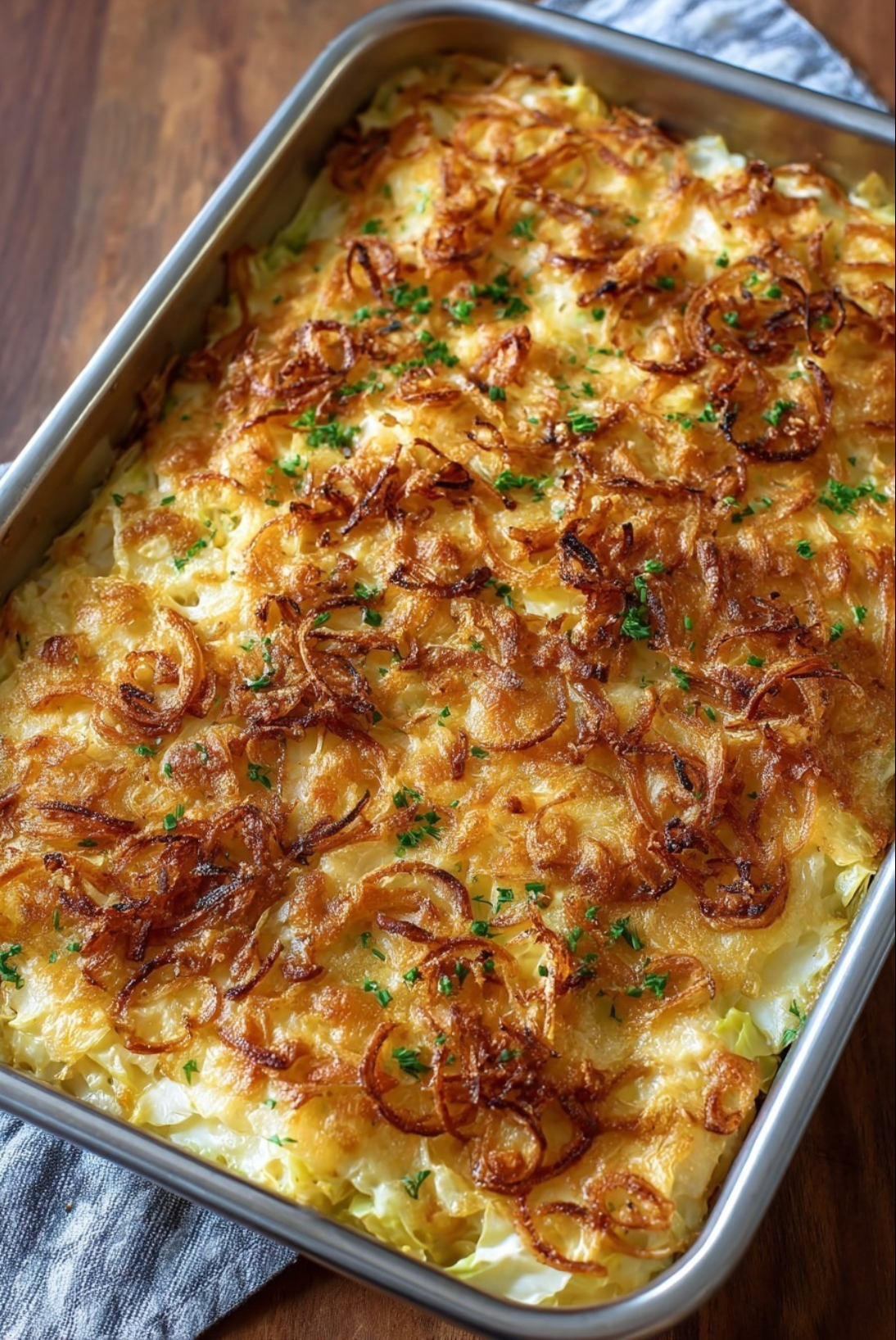
Polish Potato & Cabbage Casserole is the kind of old-world comfort food that comes from simplicity, patience, and making the most out of humble ingredients. It’s a rustic, deeply satisfying dish built from potatoes, cabbage, onions, and seasoning—ingredients that were common in Eastern European kitchens for generations.
What makes this casserole special is how ordinary ingredients transform in the oven: the cabbage becomes soft and slightly sweet, the potatoes turn tender and creamy inside, and the onions melt into the dish, adding deep savory flavor.
It is not fancy food. It is survival food that became comfort food.
Why This Dish Is So Loved in Polish Cuisine
In traditional Polish cooking, dishes were designed to be:
- filling
- affordable
- nourishing
- easy to store
- made from seasonal ingredients
Cabbage and potatoes were especially important because they:
- grow well in cold climates
- store for long periods
- are inexpensive but nutritious
This casserole reflects that philosophy perfectly. It is simple food that feels warm, grounding, and deeply satisfying.
Flavor Profile: What It Tastes Like
When baked properly, this casserole has layers of flavor:
- soft, sweet cabbage
- creamy, earthy potatoes
- caramelized onions
- buttery richness
- gentle peppery warmth
- optional smoky or savory notes if meat is added
The texture is equally important:
- soft and tender inside
- slightly golden on top
- moist but not watery
- comforting and cohesive
Core Ingredients (Detailed Breakdown)
1. Potatoes
Potatoes are the backbone of the dish.
Best types:
- Yukon Gold (creamy and rich)
- Russet (soft and fluffy)
- Yellow potatoes (balanced texture)
They provide structure and absorb all the flavors around them.
2. Cabbage
Cabbage is what gives this dish its identity.
As it cooks:
- it softens
- releases sweetness
- becomes tender and slightly silky
- loses bitterness
Green cabbage is most commonly used, but savoy cabbage also works.
3. Onions
Onions bring depth and natural sweetness.
When cooked slowly:
- they caramelize slightly
- blend into the casserole
- enhance overall aroma
4. Fat (Butter or Oil)
Fat is essential for flavor.
Traditional options:
- butter (rich, classic taste)
- pork fat or bacon fat (more authentic version)
- vegetable oil (lighter option)
Fat helps everything cook evenly and develop richness.
5. Seasoning
Simple seasoning is key:
- salt
- black pepper
- optional garlic
- optional paprika
The dish relies on natural flavors rather than heavy spices.
Step-by-Step Cooking Method
Step 1: Prepare the Vegetables
Start by slicing:
- cabbage into thin strips
- potatoes into thin rounds or small cubes
- onions into thin slices
The thinner the cuts, the more evenly everything cooks.
Step 2: Pre-Cook (Optional but Recommended)
Some traditional versions lightly sauté the cabbage and onions first.
This step:
- softens the cabbage
- enhances sweetness
- reduces cooking time
Potatoes may also be briefly parboiled for a softer texture.
Step 3: Layering the Casserole
Layering is important for flavor distribution.
Typical layering order:
- potatoes
- onions
- cabbage
- seasoning
- fat (butter or oil)
Repeat layers until ingredients are used up.
Each layer builds flavor.
Step 4: Add Liquid (If Needed)
Some versions add a small amount of:
- broth
- water
- or cream
This helps steam the vegetables and prevents dryness.
But too much liquid can make it soggy, so balance is important.
Step 5: Baking
Bake at:
- 180°C (350°F) for 60–90 minutes
Covered for most of the time, uncovered at the end for browning.
During baking:
- potatoes soften and absorb flavor
- cabbage becomes tender and sweet
- onions melt into the dish
- flavors combine into a unified casserole
What Happens During Cooking (The Science Behind It)
This dish works because of slow transformation:
Potatoes:
- starch breaks down
- becomes creamy and soft
Cabbage:
- moisture releases
- natural sugars develop
- bitterness disappears
Onions:
- caramelization occurs
- deep savory sweetness forms
The oven acts like a slow flavor fusion chamber.
Variations of the Dish
1. With Smoked Sausage
Very popular version.
Adds:
- smoky flavor
- protein
- richness
2. Bacon Version
Crispy bacon pieces add:
- saltiness
- crunch
- depth
3. Creamy Version
Add sour cream or heavy cream for:
- richer texture
- softer consistency
4. Vegetarian Version
Uses only vegetables and butter or oil.
Still very flavorful.
5. Cheese-Topped Version
Add cheese near the end for:
- golden crust
- extra richness
Why This Dish Feels So Comforting
There is something emotionally grounding about this casserole.
It feels comforting because:
- it is warm and soft
- it is simple and familiar
- it smells like home cooking
- it uses basic ingredients
- it is slow-cooked and patient
It represents “old kitchen cooking”—food made without rush or complexity.
Common Mistakes to Avoid
1. Cutting vegetables too thick
Leads to uneven cooking.
2. Too much liquid
Makes the casserole watery.
3. Not seasoning enough
The dish depends on proper salt and pepper.
4. High oven temperature
Can burn top before inside is cooked.
5. Skipping fat
Results in dry and bland texture.
Serving Suggestions
This casserole pairs well with:
- grilled sausage
- roasted chicken
- pickles (classic Eastern European pairing)
- sour cream on top
- rye bread
It is often served as a main dish or hearty side.
Storage and Reheating
Storage:
- refrigerate up to 3–4 days
Reheating:
- oven (best texture)
- microwave (quick option)
It often tastes even better the next day as flavors deepen.
Welcome to my kitchen!
I’m a passionate home cook and recipe creator who loves turning simple ingredients into delicious, comforting meals that everyone can enjoy. Through this website, I share carefully prepared recipes, practical cooking tips, and easy-to-understand food education to help you feel more confident in the kitchen.
My goal is to make cooking simple, enjoyable, and accessible. Whether you are looking for a quick family dinner, a delicious dessert, healthy meal ideas, or traditional recipes with a modern touch, you’ll find inspiration here.
More Than Just Recipes
I believe that cooking is also a way to learn. That’s why this website is not only about recipes. I also create educational articles about ingredients, cooking techniques, kitchen tips, food preparation, and the stories behind different dishes.
Each article is designed to give you useful knowledge that you can apply in your own kitchen. From understanding how ingredients work together to learning better cooking methods, my aim is to help you become a more confident and creative cook.
My Philosophy
Good food doesn’t always require complicated ingredients or professional equipment. With a little knowledge, patience, and creativity, simple ingredients can become something truly special.
I believe in sharing recipes that are practical, clearly explained, and enjoyable to make. I also love exploring new flavors while appreciating traditional cooking and the recipes passed down through generations.
Thank you for visiting my kitchen and being part of this food-loving community. I hope my recipes and articles inspire you to cook, learn, experiment, and most importantly, enjoy every bite!
Happy cooking!