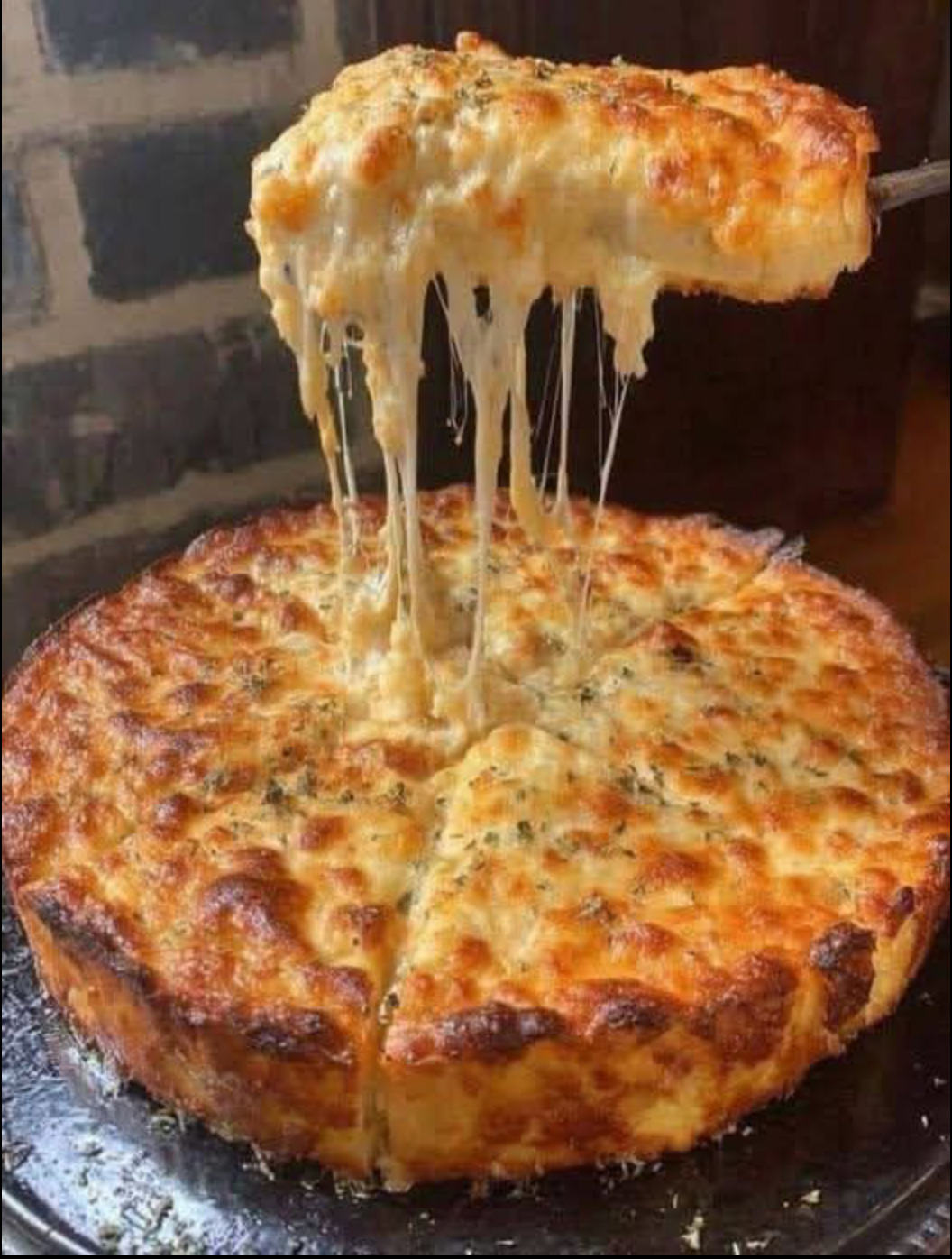
The Ultimate Rich, Cheesy, Oven-Baked Comfort Dish (Full Detailed Guide)
Creamy baked mac and cheese is one of those timeless comfort foods that never loses its magic. It’s warm, rich, cheesy, and deeply satisfying—the kind of dish that shows up at family dinners, holidays, potlucks, and Sunday meals. What makes it special is the contrast of textures: a creamy, velvety cheese sauce wrapped around tender pasta, topped with a golden baked crust that adds just the right amount of crunch.
But the difference between average mac and cheese and truly unforgettable mac and cheese comes down to technique, cheese selection, and sauce consistency.
This guide breaks everything down in detail so you can make a perfectly creamy baked mac and cheese every time.
What Makes Baked Mac and Cheese So Special?
Unlike stovetop mac and cheese, the baked version has:
- a richer flavor profile
- a thicker, more stable cheese sauce
- a golden baked top layer
- deeper, slightly caramelized edges
- better structure for serving in slices or scoops
The oven transforms the dish into something more cohesive and comforting. It’s not just pasta in cheese sauce—it becomes a full casserole-style meal.
The Key to Creaminess: The Cheese Sauce Base
The heart of baked mac and cheese is the cheese sauce, also known as a béchamel-based cheese sauce.
A proper creamy base includes:
- butter
- flour
- milk (or cream)
- cheese
This combination creates a stable, smooth sauce that doesn’t separate in the oven.
Why Some Mac and Cheese Turns Grainy
Many people struggle with grainy or dry baked mac and cheese. This usually happens because:
- cheese is added at too high heat
- low-quality melting cheese is used
- not enough liquid is added
- sauce is overcooked before baking
- pasta absorbs too much moisture
The solution is balance: smooth sauce + proper cheese blend + controlled heat.
Ingredients Breakdown (Detailed)
1. Pasta (Elbow Macaroni or Alternatives)
The classic choice is elbow macaroni because:
- it holds sauce well
- it cooks evenly
- it has a soft bite after baking
Other options:
- cavatappi (spiral, extra creamy texture)
- shells (hold sauce inside)
- penne (slightly firmer bite)
2. Cheese Blend (Most Important Part)
A good baked mac and cheese uses multiple cheeses for flavor and texture.
Best melting cheeses:
- cheddar (sharp flavor)
- mozzarella (stretchiness)
- Monterey Jack (smooth melt)
- Gruyère (rich depth)
Avoid using only one cheese—it limits flavor complexity.
3. Butter
Butter creates:
- richness
- smooth texture
- flavor depth in the roux
4. Flour
Flour thickens the sauce by forming a roux with butter.
Without it, the sauce may become watery or separate during baking.
5. Milk or Cream
Milk gives smoothness, while cream adds extra richness.
Some recipes combine both for a balanced texture.
Step-by-Step Cooking Process
Step 1: Cook the Pasta
Boil pasta in salted water until just al dente.
Important:
- do NOT overcook
- it will continue cooking in the oven
- slightly firm texture is ideal
Drain and set aside.
Step 2: Make the Roux
In a saucepan:
- melt butter over medium heat
- add flour
- whisk constantly for 1–2 minutes
This cooks out the raw flour taste and creates a smooth base.
Step 3: Add Milk Slowly
Gradually pour in milk while whisking.
You should get a:
- smooth
- creamy
- slightly thickened sauce
Keep stirring until it coats the back of a spoon.
Step 4: Add Cheese (Carefully)
Turn heat to low and slowly add cheese.
Stir gently until melted.
Do not boil after adding cheese.
This is where creaminess is built.
Step 5: Combine Pasta and Sauce
Mix cooked pasta into cheese sauce.
Make sure every piece is coated evenly.
At this stage, it should already look creamy and rich.
Step 6: Transfer to Baking Dish
Pour into a greased baking dish.
Spread evenly so it bakes uniformly.
Step 7: Add Topping (Optional but Recommended)
For a crispy golden crust, add:
- shredded cheese
- buttered breadcrumbs
- crushed crackers
- parmesan dusting
This creates contrast between creamy interior and crispy top.
Step 8: Bake
Bake at:
- 180°C (350°F) for 20–30 minutes
You’ll know it’s ready when:
- top is golden brown
- edges are bubbling
- cheese is slightly crisp on top
Secret Tips for Ultra Creamy Mac and Cheese
1. Use Evaporated Milk (Optional Upgrade)
Adds extra creaminess and stability.
2. Don’t Overbake
Overbaking dries out the sauce.
3. Mix Cheese Types
Single-cheese mac and cheese is flat in flavor.
4. Add a Touch of Mustard Powder
It enhances cheese flavor without tasting like mustard.
5. Let It Rest Before Serving
Resting 10 minutes helps it thicken properly.
Common Mistakes to Avoid
- using pre-shredded cheese (contains anti-caking agents)
- skipping the roux step
- overcooking pasta
- baking too long
- using low-fat milk only
Each of these can affect creaminess.
Variations You Can Try
1. Bacon Mac and Cheese
Add crispy bacon bits for smoky flavor.
2. Chicken Mac and Cheese
Turn it into a full meal.
3. Spicy Mac and Cheese
Add:
- chili flakes
- jalapeños
- hot sauce
4. Truffle Mac and Cheese
Add truffle oil for gourmet flavor.
5. Lobster Mac and Cheese
Luxury version with seafood richness.
Why People Love Baked Mac and Cheese
It’s more than food—it’s comfort.
People love it because it is:
- warm
- filling
- nostalgic
- creamy
- satisfying
It reminds many of home-cooked meals, family gatherings, and special occasions.
Welcome to my kitchen!
I’m a passionate home cook and recipe creator who loves turning simple ingredients into delicious, comforting meals that everyone can enjoy. Through this website, I share carefully prepared recipes, practical cooking tips, and easy-to-understand food education to help you feel more confident in the kitchen.
My goal is to make cooking simple, enjoyable, and accessible. Whether you are looking for a quick family dinner, a delicious dessert, healthy meal ideas, or traditional recipes with a modern touch, you’ll find inspiration here.
More Than Just Recipes
I believe that cooking is also a way to learn. That’s why this website is not only about recipes. I also create educational articles about ingredients, cooking techniques, kitchen tips, food preparation, and the stories behind different dishes.
Each article is designed to give you useful knowledge that you can apply in your own kitchen. From understanding how ingredients work together to learning better cooking methods, my aim is to help you become a more confident and creative cook.
My Philosophy
Good food doesn’t always require complicated ingredients or professional equipment. With a little knowledge, patience, and creativity, simple ingredients can become something truly special.
I believe in sharing recipes that are practical, clearly explained, and enjoyable to make. I also love exploring new flavors while appreciating traditional cooking and the recipes passed down through generations.
Thank you for visiting my kitchen and being part of this food-loving community. I hope my recipes and articles inspire you to cook, learn, experiment, and most importantly, enjoy every bite!
Happy cooking!