In today’s world, reducing household waste has become more important than ever. As people become increasingly aware of the environmental impact of disposable products, many are looking for simple ways to extend the life of everyday materials before recycling them. While plastic bottles often receive most of the attention, one small item is frequently overlooked—the humble plastic bottle cap.
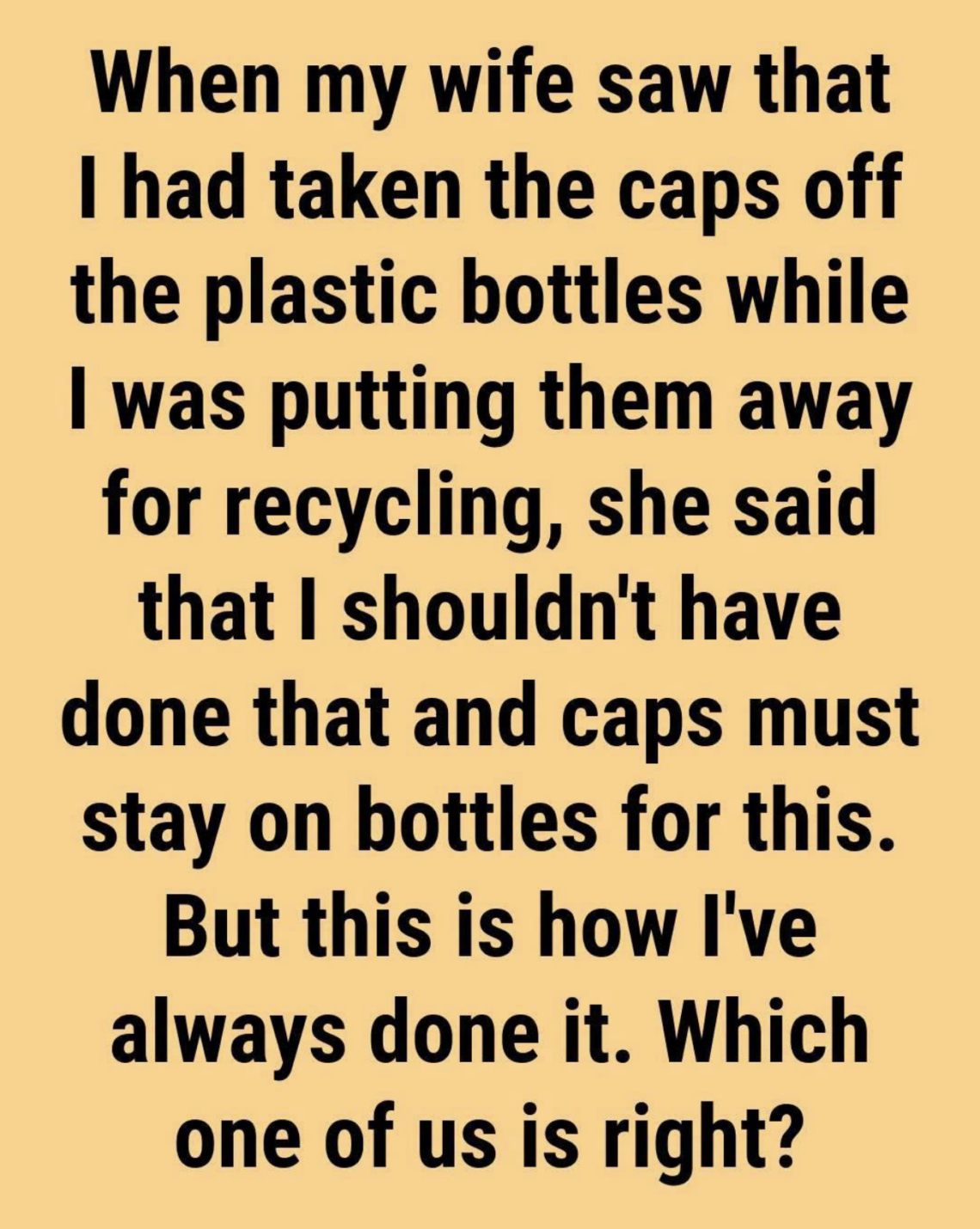
Bottle caps may seem insignificant because of their size, but millions are used and discarded every single day. Depending on local recycling programs, these caps are not always accepted in the same way as plastic bottles. Some recycling facilities request that caps remain attached to bottles, while others ask that they be removed. Regardless of local recycling practices, many bottle caps can be reused around the home in creative and practical ways before they eventually enter the recycling stream.
Instead of throwing them away immediately, clean plastic bottle caps can become useful craft materials, educational tools, home organizers, and decorative items. Reusing them helps reduce waste, encourages creativity, and provides an opportunity to teach children about sustainability through hands-on projects.
Below are nine practical and resourceful ways to give plastic bottle caps a second life.
Why Reuse Plastic Bottle Caps?
Although each cap is small, their environmental impact adds up because of the enormous number produced worldwide.
Reusing bottle caps can help:
- Reduce household waste.
- Encourage creative thinking.
- Delay disposal.
- Support educational activities.
- Save money on craft supplies.
- Promote sustainable habits.
- Inspire children to recycle.
- Reduce demand for new materials.
Even small actions can contribute to a more environmentally responsible lifestyle.
Before Reusing Bottle Caps
Always prepare bottle caps properly.
Wash them thoroughly with warm water and mild soap.
Remove any remaining beverage residue.
Allow them to dry completely before storing or using them in projects.
Inspect each cap for:
- Sharp edges.
- Cracks.
- Damage.
- Dirt.
- Mold.
Discard damaged caps appropriately.
1. Create Colorful Mosaic Artwork
Bottle caps are excellent materials for homemade mosaics.
Their bright colors naturally create decorative patterns without requiring paint.
They can be glued onto:
- Wooden boards.
- Picture frames.
- Flower pots.
- Garden signs.
- Wall art.
- Serving trays.
Arrange the caps by color to create:
- Flowers.
- Animals.
- Landscapes.
- Abstract designs.
- Geometric patterns.
This project is suitable for both adults and children under proper supervision.
2. Make Educational Learning Games
Bottle caps are wonderful learning tools.
Write letters, numbers, or symbols on the tops using permanent markers.
They can then be used for:
- Alphabet games.
- Counting activities.
- Math practice.
- Word building.
- Color matching.
- Memory games.
- Sorting exercises.
Teachers and parents often appreciate inexpensive educational materials that can be reused many times.
3. Organize Small Household Items
Bottle caps can function as tiny containers for organizing very small objects.
They help separate items such as:
- Beads.
- Buttons.
- Sequins.
- Small screws.
- Nails.
- Jewelry findings.
- Craft supplies.
Several caps can even be glued together onto a tray for better organization.
4. Build DIY Board Games
Bottle caps make excellent game pieces.
Use different colors or decorate them with stickers.
They can serve as playing pieces for:
- Checkers.
- Tic-tac-toe.
- Homemade board games.
- Counting games.
- Educational competitions.
Children often enjoy creating their own personalized games.
5. Protect Furniture
Larger bottle caps can sometimes be repurposed as protective spacers beneath lightweight furniture.
When attached securely with appropriate materials, they may help reduce direct contact between furniture legs and certain floor surfaces.
Always ensure they are stable and appropriate for the furniture’s weight before use.
6. Create Garden Markers
Bottle caps can become simple plant labels.
Write the plant name directly onto the cap.
Attach it to:
- Wooden skewers.
- Popsicle sticks.
- Metal rods.
Use them to identify:
- Herbs.
- Vegetables.
- Flowers.
- Seedlings.
Because many caps are waterproof, they hold up well outdoors for extended periods.
7. Design Homemade Coasters and Trivets
Arrange bottle caps into circles, squares, or other shapes.
Secure them together using suitable adhesive.
The finished pieces can become decorative coasters or trivets for lightweight household use.
Adding colorful caps creates interesting patterns while giving discarded materials a second purpose.
8. Make Wind Chimes or Hanging Decorations
Bottle caps can produce colorful decorative displays.
Combine them with:
- String.
- Beads.
- Recycled metal pieces.
- Driftwood.
- Small bells.
Hang the finished decoration:
- On porches.
- In gardens.
- Near windows.
- On patios.
These projects encourage creativity while reducing waste.
9. Encourage Children’s Creativity
One of the greatest values of bottle caps is their versatility as craft supplies.
Children can use them to create:
- Toy wheels.
- Animals.
- Robots.
- Miniature figures.
- Flowers.
- Holiday ornaments.
- Decorative magnets.
Craft activities also help develop:
- Fine motor skills.
- Creativity.
- Problem-solving abilities.
- Environmental awareness.
Adult supervision is recommended because small bottle caps may present a choking hazard for young children.
Understanding Plastic Recycling
Plastic bottle caps are often made from different types of plastic than the bottles themselves.
Common materials include:
- High-density polyethylene (HDPE).
- Polypropylene (PP).
Because recycling systems differ by region, always follow your local recycling guidelines regarding whether caps should remain attached to bottles or be separated before disposal.
Proper recycling helps improve material recovery and reduces contamination.
Additional Ways to Reduce Plastic Waste
Reusing bottle caps is only one small part of a broader sustainable lifestyle.
Other environmentally friendly habits include:
- Using reusable water bottles.
- Carrying cloth shopping bags.
- Choosing refillable containers.
- Buying products with minimal packaging.
- Recycling properly.
- Repairing household items instead of replacing them.
- Purchasing durable products.
- Composting organic waste where appropriate.
Small daily habits often have a meaningful cumulative impact.
Safety Tips
When reusing bottle caps:
- Wash them thoroughly.
- Keep them away from small children unless supervised.
- Avoid using damaged caps.
- Do not use them for food storage unless they remain attached to their original compatible bottle.
- Dispose of cracked or contaminated caps responsibly.
Safety should always come before creativity.
Common Misconceptions
Myth 1: Bottle Caps Are Too Small to Matter
Although each cap is tiny, billions are produced every year.
Collectively, reducing or reusing them can make a meaningful difference.
Myth 2: Every Bottle Cap Can Be Recycled the Same Way
Not necessarily.
Recycling rules vary depending on local facilities and equipment.
Always check local guidelines.
Myth 3: Reusing Plastic Means It Lasts Forever
Eventually, most plastics wear out through repeated use.
When they are no longer usable, they should be recycled or disposed of according to local regulations.
Frequently Asked Questions
Should I wash bottle caps before reusing them?
Yes.
Cleaning removes sticky residues, odors, and potential contaminants.
Are bottle caps safe for children’s crafts?
With adult supervision, they can be excellent craft materials.
However, they should be kept away from very young children because they may present a choking hazard.
Can bottle caps be painted?
Yes.
Many craft paints adhere well after the caps have been cleaned and lightly prepared.
How should I store collected bottle caps?
Keep them clean, dry, and sorted by size or color in containers until needed.
Do all recycling centers accept bottle caps?
No.
Requirements vary by location, so consult your local recycling authority for the correct procedure.
Why Small Sustainable Habits Matter
Large environmental improvements often begin with simple everyday choices. While reusing a handful of plastic bottle caps will not solve global waste challenges on its own, these small actions encourage a mindset of resourcefulness, creativity, and responsible consumption. They remind us to view everyday materials not simply as disposable items but as resources that may still have value before reaching the recycling bin. When multiplied across households and communities, these habits can contribute to reducing waste and promoting a more sustainable way of living.
Welcome to my kitchen!
I’m a passionate home cook and recipe creator who loves turning simple ingredients into delicious, comforting meals that everyone can enjoy. Through this website, I share carefully prepared recipes, practical cooking tips, and easy-to-understand food education to help you feel more confident in the kitchen.
My goal is to make cooking simple, enjoyable, and accessible. Whether you are looking for a quick family dinner, a delicious dessert, healthy meal ideas, or traditional recipes with a modern touch, you’ll find inspiration here.
More Than Just Recipes
I believe that cooking is also a way to learn. That’s why this website is not only about recipes. I also create educational articles about ingredients, cooking techniques, kitchen tips, food preparation, and the stories behind different dishes.
Each article is designed to give you useful knowledge that you can apply in your own kitchen. From understanding how ingredients work together to learning better cooking methods, my aim is to help you become a more confident and creative cook.
My Philosophy
Good food doesn’t always require complicated ingredients or professional equipment. With a little knowledge, patience, and creativity, simple ingredients can become something truly special.
I believe in sharing recipes that are practical, clearly explained, and enjoyable to make. I also love exploring new flavors while appreciating traditional cooking and the recipes passed down through generations.
Thank you for visiting my kitchen and being part of this food-loving community. I hope my recipes and articles inspire you to cook, learn, experiment, and most importantly, enjoy every bite!
Happy cooking!