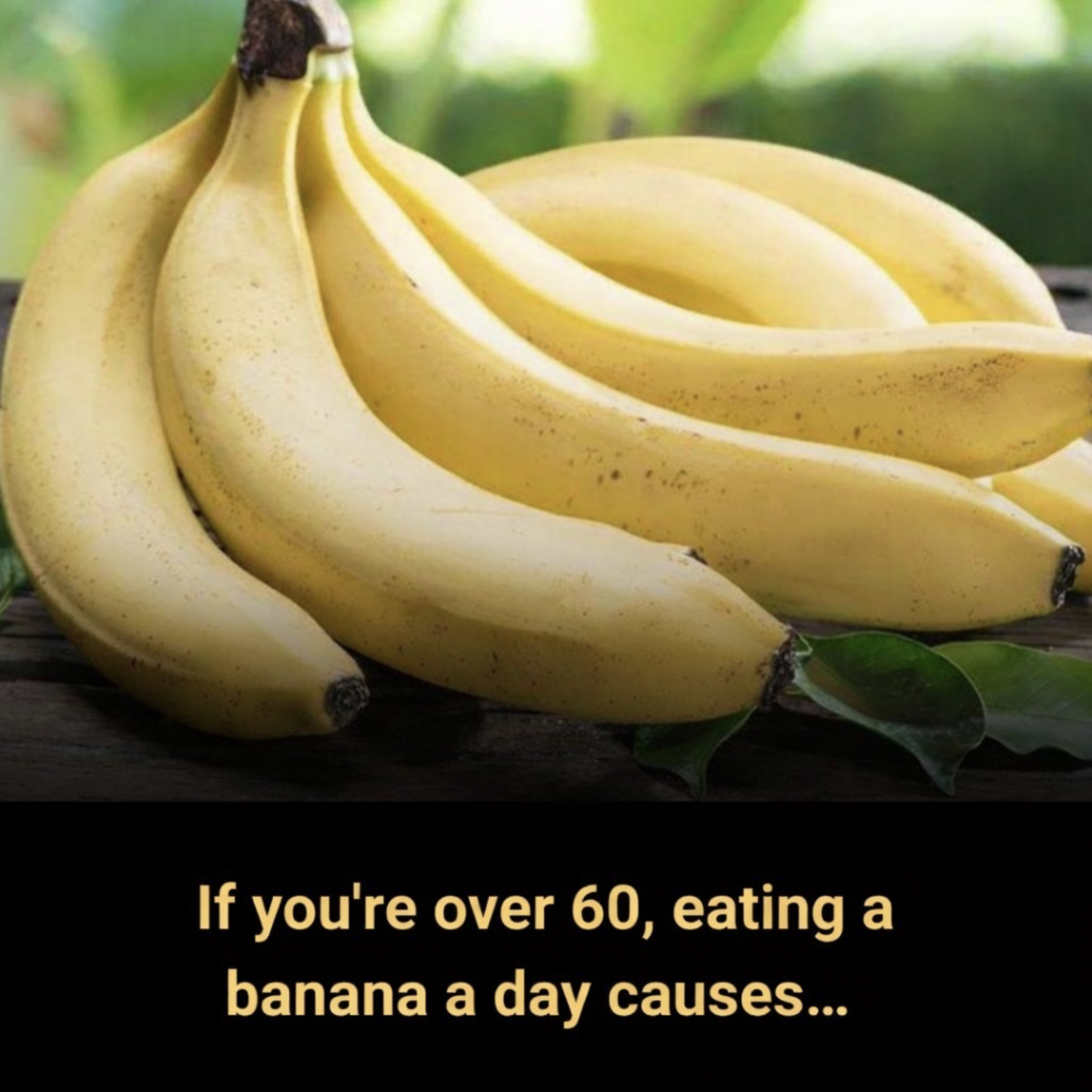
Bananas are one of the most widely eaten fruits in the world, yet they’re often underestimated. They don’t have the exotic reputation of trendy “superfoods,” and they’re so common that many people overlook just how nutritionally useful they can be—especially after age 60.
As the body ages, nutritional needs change in subtle but important ways. Muscle mass naturally declines, hydration becomes more difficult to maintain, digestion may slow down, and conditions like high blood pressure, diabetes, and heart disease become more common. During this stage of life, even small dietary habits repeated consistently can have a meaningful impact on energy, comfort, and overall wellness.
Eating a banana a day is not a miracle cure, and it won’t stop aging. But this humble fruit contains a combination of nutrients that may help support healthy aging in several practical ways when included as part of a balanced lifestyle.
Why Bananas Are Nutritionally Impressive
A medium banana contains a surprisingly useful nutritional profile:
Key nutrients include:
- potassium
- vitamin B6
- vitamin C
- dietary fiber
- magnesium
- natural carbohydrates
- antioxidants
Bananas are also:
- naturally low in fat
- cholesterol-free
- easy to digest
- affordable and accessible year-round
For older adults who may struggle with appetite, chewing difficulties, or complicated meal preparation, bananas offer an easy source of nourishment with virtually no preparation required.
1. May Help Support Heart Health
One of the most discussed banana benefits involves potassium.
Potassium is an essential mineral that helps:
- regulate fluid balance
- support healthy muscle contractions
- maintain nerve function
- balance sodium levels in the body
This is especially important because many older adults consume more sodium than recommended, often through:
- processed foods
- canned soups
- deli meats
- restaurant meals
Excess sodium may contribute to elevated blood pressure, which is one of the major risk factors for:
- heart disease
- stroke
- kidney problems
Potassium-rich foods like bananas may help support healthier blood pressure balance when paired with an overall healthy diet.
2. May Improve Digestive Regularity
Digestive changes become more common with age. Many adults over 60 experience:
- constipation
- slower digestion
- bloating
- irregular bowel movements
Bananas contain fiber, which may help support smoother digestion and bowel regularity.
There are actually two different digestive effects depending on ripeness:
Slightly green bananas:
Contain more resistant starch, which can help feed beneficial gut bacteria.
Fully ripe bananas:
Contain softer, easier-to-digest fibers and natural sugars.
Because bananas are gentle on the stomach, they’re often tolerated well even during periods of digestive sensitivity.
3. May Help Maintain Energy Levels
Fatigue becomes more common with aging for many reasons:
- lower calorie intake
- reduced appetite
- poor sleep
- medical conditions
- medication side effects
Bananas provide natural carbohydrates that can offer quick but relatively steady energy.
Unlike highly processed sugary snacks, bananas also provide:
- fiber
- vitamins
- minerals
which help make them more nutritionally balanced.
A banana paired with:
- nuts
- yogurt
- oatmeal
- peanut butter
creates a satisfying snack that may help stabilize hunger and energy.
4. May Support Muscle Function and Mobility
Maintaining muscle health becomes increasingly important after 60 because aging naturally causes gradual muscle loss, a process sometimes called sarcopenia.
Bananas may help support muscle function because they contain:
- potassium
- magnesium
- carbohydrates for energy
These nutrients play roles in:
- muscle contractions
- hydration
- nerve signaling
Some people also notice muscle cramps become more frequent with age, especially if hydration or mineral intake is poor.
While bananas are not a cure for cramps or muscle weakness, they can contribute to better nutritional support overall.
5. May Be Helpful for Hydration Balance
Older adults are at greater risk of dehydration because the sense of thirst often becomes less reliable with age.
Bananas contain:
- water
- electrolytes
- potassium
which can support fluid balance.
This may be especially helpful during:
- hot weather
- physical activity
- illness recovery
Hydration affects many areas of health, including:
- energy
- kidney function
- blood pressure
- cognitive clarity
6. May Support Brain and Nervous System Function
Bananas contain vitamin B6, which is involved in:
- neurotransmitter production
- nervous system health
- brain signaling processes
Proper B-vitamin intake becomes increasingly important with aging because deficiencies may affect:
- mood
- cognition
- energy metabolism
Bananas also contain antioxidants, which help the body manage oxidative stress—a natural process associated with aging.
7. May Help You Feel Fuller Longer
Appetite patterns often change with age. Some people eat less because:
- taste changes
- medications reduce appetite
- digestion feels slower
- cooking becomes tiring
Bananas provide a combination of:
- natural sugars
- fiber
- bulk
that can help increase satiety gently without feeling overly heavy.
8. Convenient Nutrition Matters More Than People Think
One overlooked advantage of bananas is convenience.
Healthy eating becomes much easier when foods are:
- affordable
- portable
- simple to prepare
- pleasant to eat
Bananas require:
- no washing
- no cutting
- no cooking
This makes them especially practical for:
- busy adults
- seniors living alone
- people recovering from illness
- anyone with reduced mobility or energy
Important Considerations for Older Adults
Even healthy foods are not perfect for everyone.
Kidney Disease and Potassium Concerns
Bananas are high in potassium.
Healthy kidneys usually regulate potassium effectively. However, people with advanced kidney disease may need to limit high-potassium foods because excess potassium can build up in the blood.
Anyone with kidney problems should follow medical advice about potassium intake.
Blood Sugar Awareness
Bananas contain natural sugar.
For most healthy people, moderate banana intake is completely reasonable. But people with diabetes may benefit from:
- pairing bananas with protein or fat
- choosing smaller portions
- avoiding overly ripe bananas if blood sugar spikes are a concern
The overall dietary pattern matters more than one single fruit.
Healthier Ways to Enjoy Bananas
Bananas are extremely versatile and easy to incorporate into meals.
Popular options:
- sliced into oatmeal
- blended into smoothies
- spread with peanut butter
- added to yogurt
- frozen for desserts
- mashed into baked goods
They can also naturally sweeten recipes while reducing added sugar.
The Bigger Truth About Healthy Aging
One banana alone won’t:
- reverse disease
- prevent aging
- or solve health problems
But consistent daily habits matter enormously over time.
Healthy aging is usually shaped by:
- balanced eating
- movement
- sleep
- hydration
- stress management
- social connection
- medical care
Simple foods like bananas can become valuable because they support these routines consistently and realistically.
Welcome to my kitchen!
I’m a passionate home cook and recipe creator who loves turning simple ingredients into delicious, comforting meals that everyone can enjoy. Through this website, I share carefully prepared recipes, practical cooking tips, and easy-to-understand food education to help you feel more confident in the kitchen.
My goal is to make cooking simple, enjoyable, and accessible. Whether you are looking for a quick family dinner, a delicious dessert, healthy meal ideas, or traditional recipes with a modern touch, you’ll find inspiration here.
More Than Just Recipes
I believe that cooking is also a way to learn. That’s why this website is not only about recipes. I also create educational articles about ingredients, cooking techniques, kitchen tips, food preparation, and the stories behind different dishes.
Each article is designed to give you useful knowledge that you can apply in your own kitchen. From understanding how ingredients work together to learning better cooking methods, my aim is to help you become a more confident and creative cook.
My Philosophy
Good food doesn’t always require complicated ingredients or professional equipment. With a little knowledge, patience, and creativity, simple ingredients can become something truly special.
I believe in sharing recipes that are practical, clearly explained, and enjoyable to make. I also love exploring new flavors while appreciating traditional cooking and the recipes passed down through generations.
Thank you for visiting my kitchen and being part of this food-loving community. I hope my recipes and articles inspire you to cook, learn, experiment, and most importantly, enjoy every bite!
Happy cooking!