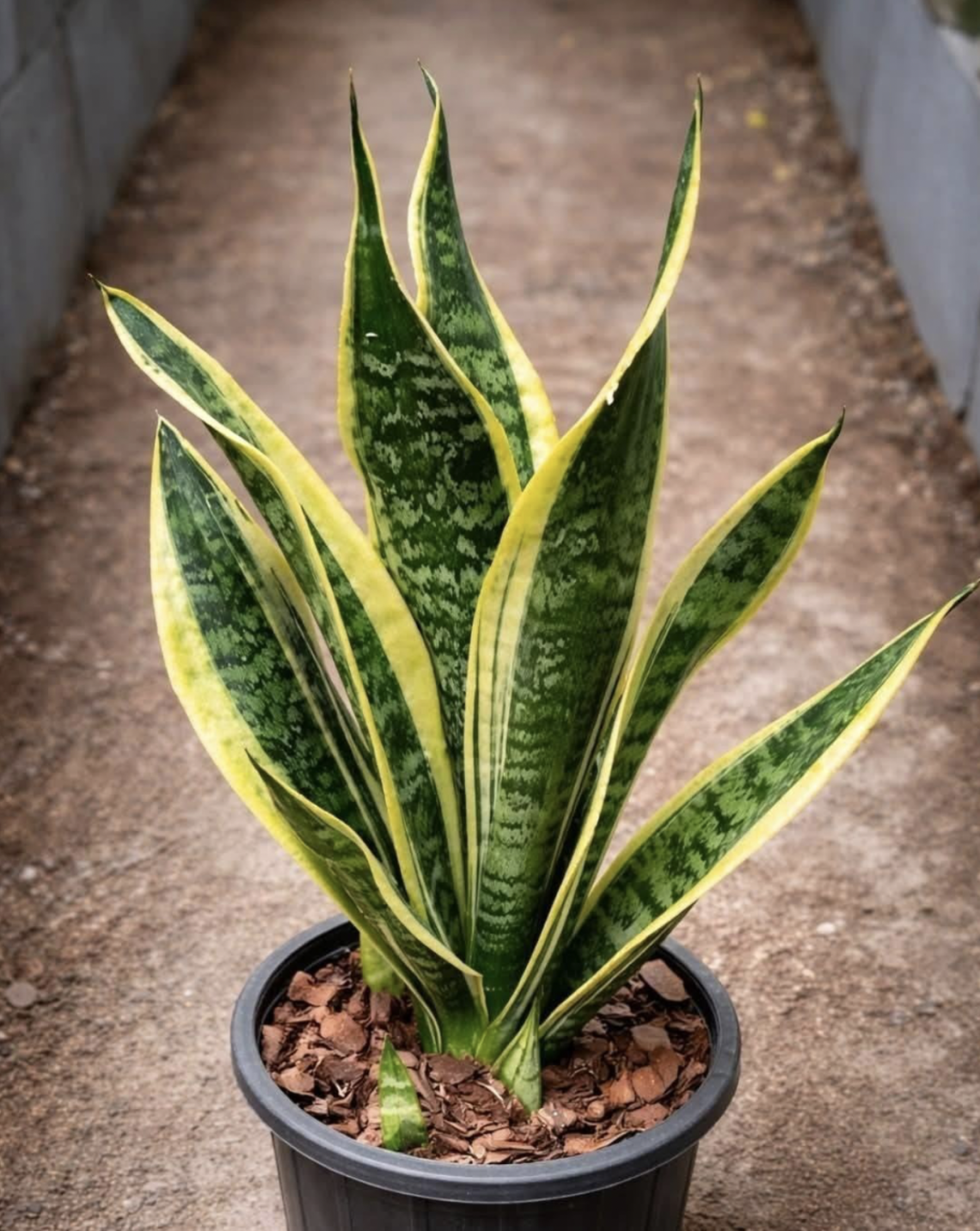
“…then you will attract wealth, prosperity, and good fortune!”
The reality:
The idea that a money plant brings financial success is rooted more in cultural symbolism than in measurable science. In traditions such as Feng Shui and certain South Asian beliefs, the money plant is associated with growth, abundance, and positive energy flow. Its trailing vines and heart-shaped leaves are thought to represent expansion and continuity—qualities that people metaphorically connect to wealth.
However, there is no scientific evidence showing that owning a money plant can directly influence financial outcomes or material success. Money does not appear because of the plant itself.
Yet dismissing the belief entirely would overlook something important: the psychological and behavioral influence of environment.
A well-kept plant can subtly shape habits and mindset. Caring for a living thing encourages consistency, attention, and responsibility—traits that, over time, can positively influence many areas of life, including financial discipline.
The balanced take:
A money plant will not fill your bank account—but it can contribute to a space that feels alive, calm, and intentional. Its easy growth and forgiving nature make it ideal for beginners, and its visual presence can create a sense of order and care in your surroundings.
Sometimes, what we interpret as “luck” is actually the result of small, positive behaviors repeated daily—and a plant can quietly support that rhythm.
If You Have Aloe Vera
The claim:
“…then you have a natural healing powerhouse at home!”
The reality:
This claim is closer to the truth than most. Aloe vera has been studied extensively and is widely recognized for its topical healing properties.
The gel inside its thick leaves contains compounds that can:
- Soothe minor burns
- Hydrate and calm irritated skin
- Support wound healing in mild cases
However, aloe vera is not a cure-all. Its benefits are primarily external, and while some people consume aloe products, this should be done cautiously and with proper guidance, as not all forms are safe to ingest.
The balanced take:
Aloe vera is genuinely useful—but within limits. It is best seen as a supportive natural remedy, not a replacement for medical treatment. Its presence in the home is practical, especially for minor skin concerns, and its sculptural appearance adds a clean, minimal aesthetic.
If You Have Lavender
The claim:
“…then your home will be calm, peaceful, and stress-free!”
The reality:
Lavender has a well-documented reputation for its calming properties. Scientific studies have shown that its scent may help:
- Reduce stress levels
- Promote relaxation
- Improve sleep quality in some individuals
However, the effect is subtle, not transformative. Simply having a lavender plant in the room will not automatically eliminate anxiety or guarantee restful sleep.
The strongest benefits typically come from concentrated forms, such as essential oils or sachets placed near pillows.
The balanced take:
Lavender contributes to a calming atmosphere, especially when combined with other healthy habits like good sleep routines and a quiet environment. It is not a solution on its own, but it can be a valuable part of a broader approach to relaxation.
If You Have a Peace Lily (Spathiphyllum)
The claim:
“…then your air is purified and your home is protected from toxins!”
The reality:
Like the snake plant, the peace lily was included in the famous NASA study showing its ability to remove certain airborne pollutants under controlled conditions.
But again, real-world impact is limited. In a typical home:
- Air circulation is constant
- Pollutant levels vary
- The number of plants needed for measurable purification is impractically high
That said, peace lilies do contribute to slightly increased humidity and bring a sense of freshness to indoor spaces.
The balanced take:
A peace lily is not an air purifier—but it is elegant, easy to care for, and visually soothing. Its white blooms and deep green leaves create a sense of calm and cleanliness that can influence how a space feels, even if the chemical impact on air is minimal.
If You Have Basil
The claim:
“…then your home will be protected and full of positive energy!”
The reality:
Basil holds strong cultural and spiritual significance in many parts of the world. In some traditions, it is considered sacred and associated with protection and harmony.
From a scientific perspective, basil offers:
- A fresh, pleasant aroma
- Natural compounds with mild antimicrobial properties
- Culinary versatility that encourages home cooking
However, its “protective” qualities are symbolic rather than literal.
The balanced take:
Basil enriches daily life in practical ways. It encourages cooking, adds flavor to meals, and brings a sense of freshness to the kitchen. Its cultural symbolism may also provide emotional comfort, which is valuable in its own right.
The Bigger Picture: Why These Myths Persist
These plant-related claims continue to spread because they tap into something deeply human:
- The desire for simple solutions to complex problems
- The appeal of natural over artificial
- The comfort of believing that our environment can quietly support us
And in many cases, there is a small truth at the core:
Plants do improve our surroundings—not necessarily through dramatic chemical changes, but through psychological and sensory effects.
Studies have shown that indoor plants can:
- Reduce perceived stress
- Improve mood
- Increase focus and productivity
- Create a stronger sense of well-being

Welcome to my kitchen!
I’m a passionate home cook and recipe creator who loves turning simple ingredients into delicious, comforting meals that everyone can enjoy. Through this website, I share carefully prepared recipes, practical cooking tips, and easy-to-understand food education to help you feel more confident in the kitchen.
My goal is to make cooking simple, enjoyable, and accessible. Whether you are looking for a quick family dinner, a delicious dessert, healthy meal ideas, or traditional recipes with a modern touch, you’ll find inspiration here.
More Than Just Recipes
I believe that cooking is also a way to learn. That’s why this website is not only about recipes. I also create educational articles about ingredients, cooking techniques, kitchen tips, food preparation, and the stories behind different dishes.
Each article is designed to give you useful knowledge that you can apply in your own kitchen. From understanding how ingredients work together to learning better cooking methods, my aim is to help you become a more confident and creative cook.
My Philosophy
Good food doesn’t always require complicated ingredients or professional equipment. With a little knowledge, patience, and creativity, simple ingredients can become something truly special.
I believe in sharing recipes that are practical, clearly explained, and enjoyable to make. I also love exploring new flavors while appreciating traditional cooking and the recipes passed down through generations.
Thank you for visiting my kitchen and being part of this food-loving community. I hope my recipes and articles inspire you to cook, learn, experiment, and most importantly, enjoy every bite!
Happy cooking!