I am eighty-seven years old, and I want to share something deeply personal—something I wish I had understood earlier. If my story can help even one person avoid the same painful, well-intentioned mistake, then it is worth telling.
There comes a moment in life, often quietly and without warning, when you realize that you are no longer as independent as you once were. It doesn’t happen all at once. It arrives in small, unsettling moments—little cracks in the routine you have trusted for decades.
For me, those cracks began to widen about six months ago.
The Subtle Beginning of Change
At first, it was easy to dismiss.
I forgot to take my medication one morning. Then another. I told myself it was normal—after all, everyone forgets things from time to time.
But then I left the stove on after making tea. Not once, but twice in the same week. I remember sitting in my living room, noticing a faint smell, and realizing with a sudden jolt of fear what I had done.
Still, I reassured myself. “You’re just tired,” I thought. “You need to be more careful.”
The truth was harder to admit.
The Day That Changed Everything
One afternoon, I decided to walk to the corner store to buy bread. It was a short walk—one I had taken hundreds, if not thousands, of times over the years.
But that day was different.
When I stepped out of the store, something felt wrong. The street looked unfamiliar. The houses didn’t seem quite right. I turned left, then right, trying to recognize something—anything—but nothing made sense.
For the first time in my life, I was truly lost in a place that had always been my home.
I cannot fully describe the feeling. It was not just confusion—it was fear, deep and disorienting. A quiet panic that settled in my chest as I realized I didn’t know how to get back.
Eventually, a kind stranger noticed my distress and helped me find my way. But something inside me had shifted. I could no longer pretend that everything was fine.
My Daughter’s Fear—and My Own
When my daughter found out, she was terrified.
I saw it in her eyes before she even spoke. Fear, worry, urgency. She had already been noticing the changes in me, even when I tried to hide them.
Within days, she began taking action.
She researched care facilities. She scheduled visits. She spoke with staff and asked questions I had never even considered. She was trying to protect me—to keep me safe.
And I understood that.
But I also felt something else, something I hadn’t expected: a deep, quiet grief.
The Weight of “No Choice”
When my daughter told me she had found a few places for me to consider, I didn’t argue.
I was tired. I was scared. And more than anything, I didn’t want to be a burden.
It seemed like the logical next step. People my age move into care homes. That’s what happens. That’s what everyone expects.
I began to tell myself that I had no other choice.
And that belief—that quiet assumption—was the most dangerous part of all.
The Hidden Cost of That Decision
What no one tells you is that moving into a facility is not just a practical decision. It is an emotional one. A deeply personal one.
It means leaving behind:
- The home where you built your life
- The chair where you drink your morning tea
- The window you look out of every day
- The memories in every corner of every room
It means adjusting to a new environment, new routines, new faces. It means giving up a certain level of independence, even if it is for your safety.
I began to feel like I was slowly disappearing from my own life.
The Conversation That Changed Everything
Just days before I was meant to make a final decision, something unexpected happened.
A neighbor—someone I had known casually for years—came to visit. She had heard about my situation and wanted to check in.
We sat together, and I told her everything. My fears. My daughter’s concerns. The plans that were already being made.
She listened quietly, then asked me a simple question:
“Did anyone talk to you about other options?”
I was confused. “What other options?” I asked.
And that was the moment everything began to change.
Discovering There Were Other Paths
She told me about alternatives I had never seriously considered.
Options like:
- In-home caregivers who could visit daily
- Medication reminders and support systems
- Safety devices for the stove and doors
- Community services designed to help older adults remain at home
- Adult day programs that provide care and social interaction during the day
These were not unrealistic ideas. They were real, available solutions—ones that could address my safety concerns without requiring me to leave my home entirely.
I was stunned.
Not because these options existed, but because no one had truly explained them to me before.
A Different Kind of Decision
That evening, I spoke with my daughter again.
This time, the conversation was different.
We talked—not just about safety, but about quality of life. About what mattered most to me. About how we could create a plan that balanced both.
It wasn’t an easy discussion. There were still fears, still uncertainties. But for the first time, it felt like a decision we were making together—not one being made for me.
What I Chose—and What I Learned
In the end, I did not move into a facility.
Instead, we arranged for:
- Regular visits from a caregiver
- Simple home modifications to improve safety
- A routine that helps me stay on track with medication
- Check-ins that give my daughter peace of mind
My life is different now. I am more careful. I accept help where I once resisted it.
But I am still in my home.
Still surrounded by the life I built.
Still myself.
Why I Am Sharing This
I am not here to say that care facilities are wrong. For many people, they are the best and safest choice.
But I am here to say this:
Do not assume it is your only choice.
When the time comes—and for many of us, it will—pause. Ask questions. Explore every option. Include your voice in the decision.
Because what feels inevitable may not be the only path.
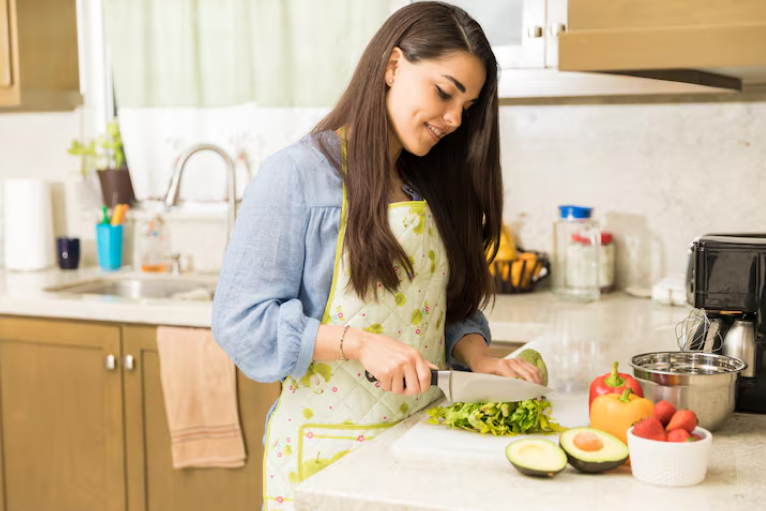
Welcome to my kitchen!
I’m a passionate home cook and recipe creator who loves turning simple ingredients into delicious, comforting meals that everyone can enjoy. Through this website, I share carefully prepared recipes, practical cooking tips, and easy-to-understand food education to help you feel more confident in the kitchen.
My goal is to make cooking simple, enjoyable, and accessible. Whether you are looking for a quick family dinner, a delicious dessert, healthy meal ideas, or traditional recipes with a modern touch, you’ll find inspiration here.
More Than Just Recipes
I believe that cooking is also a way to learn. That’s why this website is not only about recipes. I also create educational articles about ingredients, cooking techniques, kitchen tips, food preparation, and the stories behind different dishes.
Each article is designed to give you useful knowledge that you can apply in your own kitchen. From understanding how ingredients work together to learning better cooking methods, my aim is to help you become a more confident and creative cook.
My Philosophy
Good food doesn’t always require complicated ingredients or professional equipment. With a little knowledge, patience, and creativity, simple ingredients can become something truly special.
I believe in sharing recipes that are practical, clearly explained, and enjoyable to make. I also love exploring new flavors while appreciating traditional cooking and the recipes passed down through generations.
Thank you for visiting my kitchen and being part of this food-loving community. I hope my recipes and articles inspire you to cook, learn, experiment, and most importantly, enjoy every bite!
Happy cooking!