In the refined and highly structured world of the late nineteenth century, appearances were never accidental. Every detail—from the cut of a coat to the glint of a bracelet—communicated social rank, family background, moral character, and economic standing. Among the most eloquent of these silent messengers was the antique Victorian silver purse. Far more than a practical accessory, it functioned as a portable declaration of taste, refinement, and prosperity.
To understand why such a small object held such power, we must first look at the cultural atmosphere of the Victorian age.
The Social Landscape of the Victorian Era
The Victorian period, named after Queen Victoria, spanned from 1837 to 1901 and was marked by industrial growth, imperial expansion, and strict social codes. Society was hierarchical, and distinctions between classes were carefully observed. Wealth was rising among industrialists and merchants, creating a newly affluent middle class eager to signal its success.
In such a climate, personal accessories were not mere decorations. They were indicators of:
Economic stability
Cultural sophistication
Marital status
Moral character
Social aspirations
Objects spoke where words did not.
The Victorian Silver Purse: Beauty Meets Symbolism
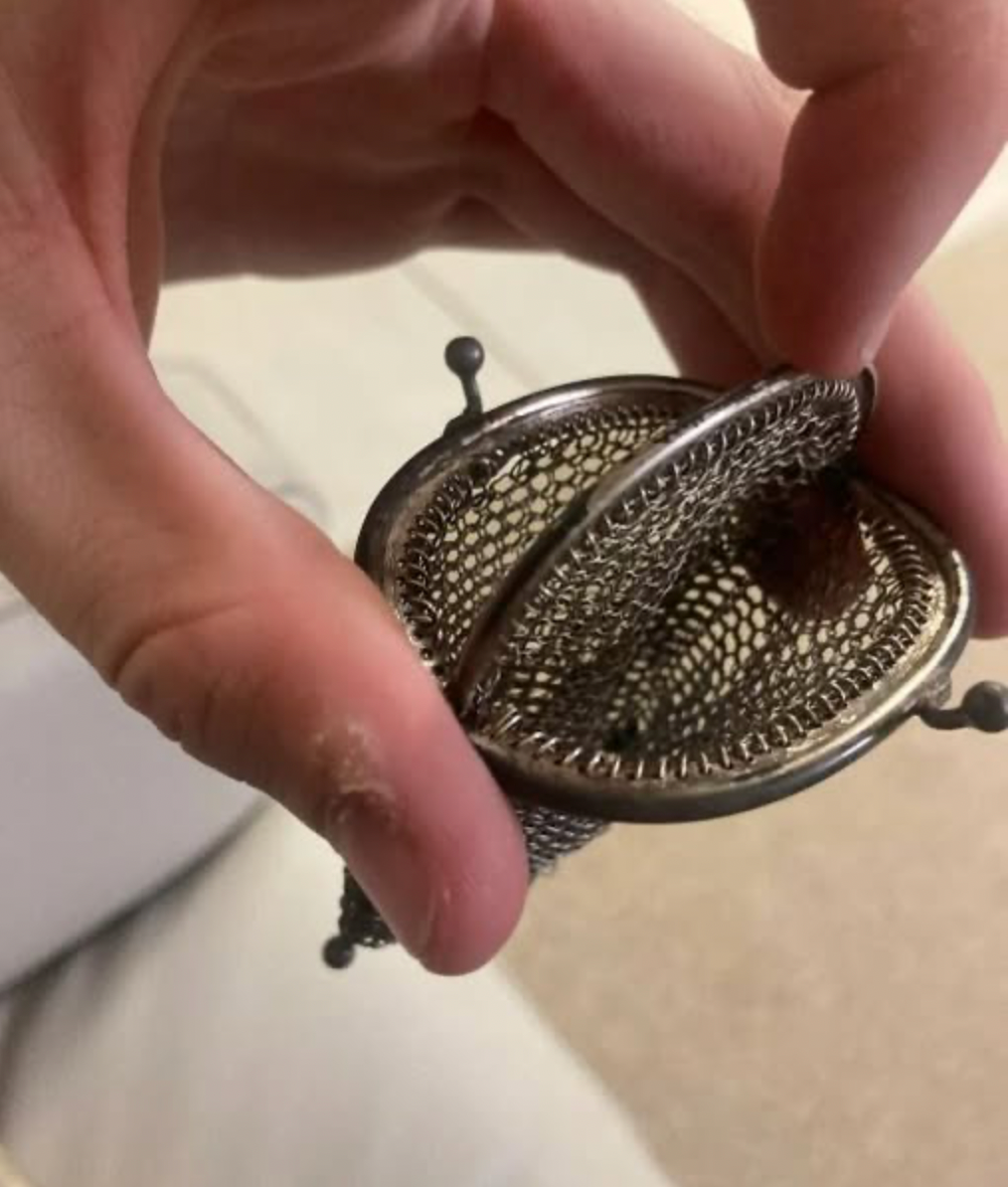
The Victorian silver purse—often crafted from sterling silver mesh or embossed metal—was a marvel of artistry. These purses were typically small, designed to carry coins, calling cards, or a handkerchief. Yet their size belied their significance.
Materials and Craftsmanship
Silver itself was a powerful statement. It conveyed:
Financial comfort
Access to luxury goods
Appreciation for fine metalwork
Many purses featured:
Intricate repoussé designs
Floral engravings
Mythological motifs
Monograms
Chain handles or finger rings
The level of detail reflected the owner’s ability to invest in high-quality craftsmanship.
A Display of Economic Power
In a time when women’s financial independence was limited, personal items often served as subtle indicators of family wealth. A silver purse suggested that its owner belonged to a household that could afford non-essential luxuries.
Unlike fabric reticules or modest coin pouches, a silver purse was:
Durable
Decorative
Expensive
Distinctive
It elevated the act of carrying money into a visible performance of prosperity.
Gender, Identity, and Social Position
Victorian women were expected to embody refinement and restraint. Accessories helped communicate these virtues. A silver purse complemented gloves, parasols, brooches, and lace fans—forming part of a carefully curated image.
The purse was often carried at:
The opera
Formal dinners
Church services
Afternoon visits
In such spaces, subtle competition flourished. Observers noticed the quality of embroidery, the sparkle of jewelry, and the gleam of metal accessories.
A finely crafted purse implied:
Good breeding
Exposure to culture
Attention to fashion
Familial respectability
The Influence of Industrialization
The Industrial Revolution made silver goods more accessible than ever before. Advances in metalworking allowed for mass production of decorative yet affordable items. However, the truly elite continued to commission bespoke pieces from skilled silversmiths.
This created tiers within luxury:
Factory-made silver purses for the growing middle class
Handcrafted, artist-signed pieces for aristocracy
Thus, even within a single accessory type, subtle distinctions revealed social nuance.
Ornamentation as Moral Expression
Victorian society placed strong emphasis on morality and symbolism. Decorative motifs on silver purses were rarely random. Common engravings included:
Roses (love and beauty)
Ivy (fidelity and endurance)
Cherubs (innocence)
Birds (freedom or spirituality)
Such imagery reinforced ideals of femininity and virtue. The purse became not only a financial accessory but also a moral emblem.
Global Trade and Exotic Influence
As the British Empire expanded, foreign artistic influences entered European design. Silver purses began incorporating:
Filigree patterns inspired by Middle Eastern craftsmanship
Floral motifs influenced by Asian art
Textures reflecting colonial trade goods
Owning such an item subtly signaled awareness of global culture and access to international luxury markets.
Heirlooms and Sentimental Value
Beyond their display function, Victorian silver purses often became cherished heirlooms. Passed from mother to daughter, they accumulated stories, associations, and emotional significance.
Because silver is durable, many of these purses survive today in remarkable condition. They are valued not only for material worth but also for:
Historical insight
Artistic merit
Cultural symbolism
Collectors prize them as windows into Victorian life.
The Purse as a Microcosm of Victorian Society
What makes the Victorian silver purse so fascinating is how completely it encapsulates the era’s values:
Beauty intertwined with morality
Wealth displayed through craftsmanship
Gender roles expressed through adornment
Industrial progress meeting artistic tradition
In a society where social mobility was rising but scrutiny remained intense, accessories became tools of identity management.
A Lasting Legacy
Today, antique Victorian silver purses remain highly collectible. Museums and private collectors regard them as examples of nineteenth-century decorative arts at their finest. Their enduring appeal lies in their layered meaning.
They remind us that in the Victorian world, nothing was trivial. Even the smallest object—resting lightly in a gloved hand—could signal lineage, fortune, education, and taste.

Welcome to my kitchen!
I’m a passionate home cook and recipe creator who loves turning simple ingredients into delicious, comforting meals that everyone can enjoy. Through this website, I share carefully prepared recipes, practical cooking tips, and easy-to-understand food education to help you feel more confident in the kitchen.
My goal is to make cooking simple, enjoyable, and accessible. Whether you are looking for a quick family dinner, a delicious dessert, healthy meal ideas, or traditional recipes with a modern touch, you’ll find inspiration here.
More Than Just Recipes
I believe that cooking is also a way to learn. That’s why this website is not only about recipes. I also create educational articles about ingredients, cooking techniques, kitchen tips, food preparation, and the stories behind different dishes.
Each article is designed to give you useful knowledge that you can apply in your own kitchen. From understanding how ingredients work together to learning better cooking methods, my aim is to help you become a more confident and creative cook.
My Philosophy
Good food doesn’t always require complicated ingredients or professional equipment. With a little knowledge, patience, and creativity, simple ingredients can become something truly special.
I believe in sharing recipes that are practical, clearly explained, and enjoyable to make. I also love exploring new flavors while appreciating traditional cooking and the recipes passed down through generations.
Thank you for visiting my kitchen and being part of this food-loving community. I hope my recipes and articles inspire you to cook, learn, experiment, and most importantly, enjoy every bite!
Happy cooking!