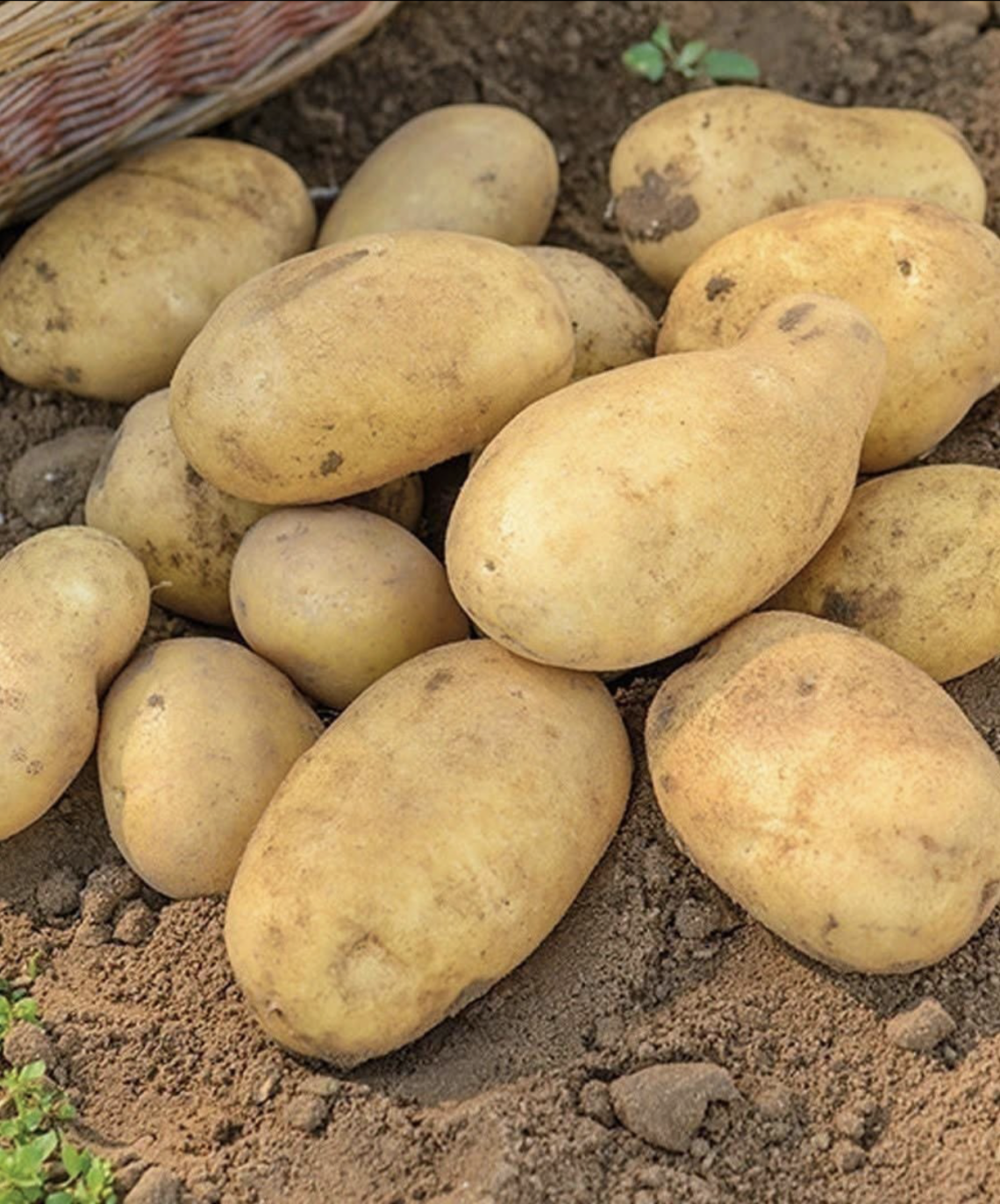
For years, potatoes have had a confusing reputation in the world of nutrition. Some people view them as one of the healthiest vegetables available, while others avoid them altogether because they believe potatoes automatically lead to weight gain or unhealthy eating. Low-carbohydrate diets, social media trends, and conflicting nutrition advice have only added to the confusion, leaving many people wondering whether potatoes belong on a healthy plate.
The truth is much more balanced than many headlines suggest.
Potatoes themselves are not the problem. In fact, they are naturally rich in several important vitamins, minerals, antioxidants, and complex carbohydrates that provide the body with steady energy. The real difference often comes down to how potatoes are prepared, what they are served with, and how much is eaten.
A plain baked or boiled potato is nutritionally very different from French fries, potato chips, or potatoes covered in large amounts of butter, cheese, sour cream, bacon, and creamy sauces. While these richer dishes can certainly be enjoyed occasionally, they transform a naturally nutritious vegetable into a much higher-calorie meal.
Many registered dietitians and physicians agree that potatoes can absolutely fit into a healthy eating pattern when prepared thoughtfully and enjoyed alongside other nutritious foods.
Instead of asking whether potatoes are “good” or “bad,” it is more useful to ask:
How can we prepare potatoes in ways that support good health?
The answer may surprise you.
Potatoes Are More Nutritious Than Many People Realize
Potatoes are often underestimated because they are commonly grouped with refined carbohydrates.
In reality, potatoes are whole vegetables that naturally contain many beneficial nutrients.
A medium plain potato provides:
- Complex carbohydrates
- Dietary fiber (especially when the skin is eaten)
- Vitamin C
- Vitamin B6
- Potassium
- Magnesium
- Small amounts of iron
- Various plant antioxidants
Despite their simple appearance, potatoes offer impressive nutritional value.
Complex Carbohydrates Provide Energy
Carbohydrates are the body’s preferred energy source.
The carbohydrates found in potatoes help fuel:
- The brain
- Muscles
- Daily physical activity
- Exercise
- Normal body functions
Unlike sugary snacks that may cause rapid spikes and crashes in energy, potatoes contain complex carbohydrates that are digested more gradually, particularly when eaten with protein, healthy fats, and fiber-rich vegetables.
Potatoes Are Naturally Fat-Free
One surprising fact is that plain potatoes contain virtually no fat.
The calories people often associate with potatoes usually come from ingredients added during cooking, such as:
- Deep-frying oil
- Butter
- Heavy cream
- Cheese
- Bacon
- Creamy sauces
- Sour cream
The potato itself is naturally low in fat.
Potassium Supports Many Body Functions
Potatoes are one of the richest natural sources of potassium.
Potassium helps support:
- Normal muscle function
- Healthy nerve signaling
- Fluid balance
- Heart function
- Blood pressure regulation
Many adults do not consume enough potassium, making potatoes a valuable dietary source.
Vitamin C Isn’t Just Found in Citrus Fruits
Many people are surprised to learn that potatoes contain vitamin C.
Vitamin C contributes to:
- Immune function
- Collagen production
- Skin health
- Wound healing
- Antioxidant protection
Although cooking reduces some vitamin C content, potatoes still contribute meaningful amounts to the diet.
Fiber Helps You Feel Full
Leaving the skin on potatoes increases fiber intake.
Fiber supports:
- Healthy digestion
- Feeling satisfied after meals
- Blood sugar management
- Healthy gut bacteria
- Regular bowel movements
Whenever possible, thoroughly wash potatoes and enjoy the edible skin.
Resistant Starch: An Unexpected Benefit
One fascinating nutritional feature of potatoes appears after they have been cooked and cooled.
Cooling cooked potatoes increases the formation of resistant starch, a type of carbohydrate that behaves more like dietary fiber.
Resistant starch may:
- Support digestive health.
- Feed beneficial gut bacteria.
- Produce a smaller rise in blood sugar than freshly cooked potatoes.
- Increase feelings of fullness.
Examples include:
- Potato salad made with minimal dressing.
- Chilled roasted potatoes added to salads.
- Cooked potatoes refrigerated overnight and gently reheated.
Preparation Makes All the Difference
The biggest factor influencing whether potatoes fit into a healthy diet is how they are cooked.
Healthier Cooking Methods
Baking
Baking preserves much of the potato’s natural nutrition while requiring little added fat.
Boiling
Boiled potatoes remain relatively low in calories and are excellent for soups, salads, and side dishes.
Steaming
Steaming retains moisture while limiting added fats.
Air Frying
Air fryers produce a crispy texture using much less oil than traditional deep frying.
Roasting
Roasting with a moderate amount of olive oil and herbs creates a flavorful, nutritious side dish.
Less Healthy Preparation Methods
Some cooking methods substantially increase calories, sodium, and saturated fat.
Examples include:
- Deep-fried French fries.
- Potato chips.
- Loaded baked potatoes.
- Rich cheesy casseroles.
- Potatoes smothered in heavy cream or butter.
These dishes can certainly be enjoyed occasionally but are quite different nutritionally from plain potatoes.
Pair Potatoes With Balanced Meals
Potatoes work best when they are one part of a balanced plate.
Consider pairing them with:
- Grilled chicken.
- Fish.
- Beans.
- Lentils.
- Lean beef.
- Eggs.
- Greek yogurt.
- Steamed vegetables.
- Leafy salads.
Combining protein, healthy fats, and fiber helps create a satisfying meal.
Do Potatoes Cause Weight Gain?
No single food causes weight gain on its own.
Body weight depends on overall energy balance, lifestyle, physical activity, genetics, sleep, and long-term eating patterns.
Potatoes can actually be quite filling.
Feeling satisfied after meals may help reduce unnecessary snacking later in the day.
Large portions of heavily processed potato products, however, may contribute to excess calorie intake.
Understanding the Glycemic Index
Some people worry because potatoes have a relatively high glycemic index compared with certain other vegetables.
However, several factors influence how your body responds, including:
- Portion size.
- Cooking method.
- Whether potatoes are eaten with protein.
- Fiber content.
- Whether they have been cooled after cooking.
Looking at an entire meal is generally more useful than focusing on one number alone.
Sweet Potatoes vs. White Potatoes
Both varieties offer valuable nutrition.
White potatoes provide:
- More potassium.
- Vitamin C.
- Resistant starch when cooled.
Sweet potatoes provide:
- Beta-carotene.
- Vitamin A precursors.
- Orange-colored antioxidants.
Both can fit into a healthy eating pattern.
Easy Ways to Make Potatoes Healthier
Instead of heavy toppings, try:
- Plain Greek yogurt instead of sour cream.
- Fresh herbs.
- Chopped chives.
- Black pepper.
- Garlic.
- Olive oil.
- Salsa.
- Steamed broccoli.
- Cottage cheese.
- Roasted vegetables.
These additions boost flavor without excessive saturated fat.
Common Potato Myths
Myth: Potatoes have no nutritional value.
False.
They contain several important vitamins and minerals.
Myth: Potatoes always raise blood sugar dangerously.
Not necessarily.
Preparation, portion size, and meal composition all influence blood sugar response.
Myth: People trying to lose weight must avoid potatoes.
False.
Plain potatoes can be part of many balanced eating plans.
Myth: Sweet potatoes are always healthier.
Both sweet and white potatoes provide different nutritional benefits.
Frequently Asked Questions
Should I eat the skin?
Yes, if the potato has been washed thoroughly and the skin is in good condition.
Much of the fiber is found there.
Are mashed potatoes healthy?
They can be, especially when prepared with modest amounts of milk or olive oil rather than large amounts of butter and cream.
Are frozen French fries the same as baked potatoes?
No.
Processing and frying significantly change the nutritional profile.
Can people with diabetes eat potatoes?
Many people with diabetes can include potatoes as part of a balanced meal, but portion size and overall meal composition matter. Individual dietary advice should come from a healthcare professional familiar with the person’s medical needs.
Tips for Enjoying Potatoes More Healthfully
- Leave the skin on whenever possible.
- Bake, boil, steam, roast, or air fry instead of deep frying.
- Watch portion sizes.
- Add vegetables to the meal.
- Pair potatoes with lean protein.
- Use herbs and spices instead of excessive butter.
- Try cooled potatoes in salads to increase resistant starch.
- Choose whole potatoes over highly processed potato snacks.

Welcome to my kitchen!
I’m a passionate home cook and recipe creator who loves turning simple ingredients into delicious, comforting meals that everyone can enjoy. Through this website, I share carefully prepared recipes, practical cooking tips, and easy-to-understand food education to help you feel more confident in the kitchen.
My goal is to make cooking simple, enjoyable, and accessible. Whether you are looking for a quick family dinner, a delicious dessert, healthy meal ideas, or traditional recipes with a modern touch, you’ll find inspiration here.
More Than Just Recipes
I believe that cooking is also a way to learn. That’s why this website is not only about recipes. I also create educational articles about ingredients, cooking techniques, kitchen tips, food preparation, and the stories behind different dishes.
Each article is designed to give you useful knowledge that you can apply in your own kitchen. From understanding how ingredients work together to learning better cooking methods, my aim is to help you become a more confident and creative cook.
My Philosophy
Good food doesn’t always require complicated ingredients or professional equipment. With a little knowledge, patience, and creativity, simple ingredients can become something truly special.
I believe in sharing recipes that are practical, clearly explained, and enjoyable to make. I also love exploring new flavors while appreciating traditional cooking and the recipes passed down through generations.
Thank you for visiting my kitchen and being part of this food-loving community. I hope my recipes and articles inspire you to cook, learn, experiment, and most importantly, enjoy every bite!
Happy cooking!