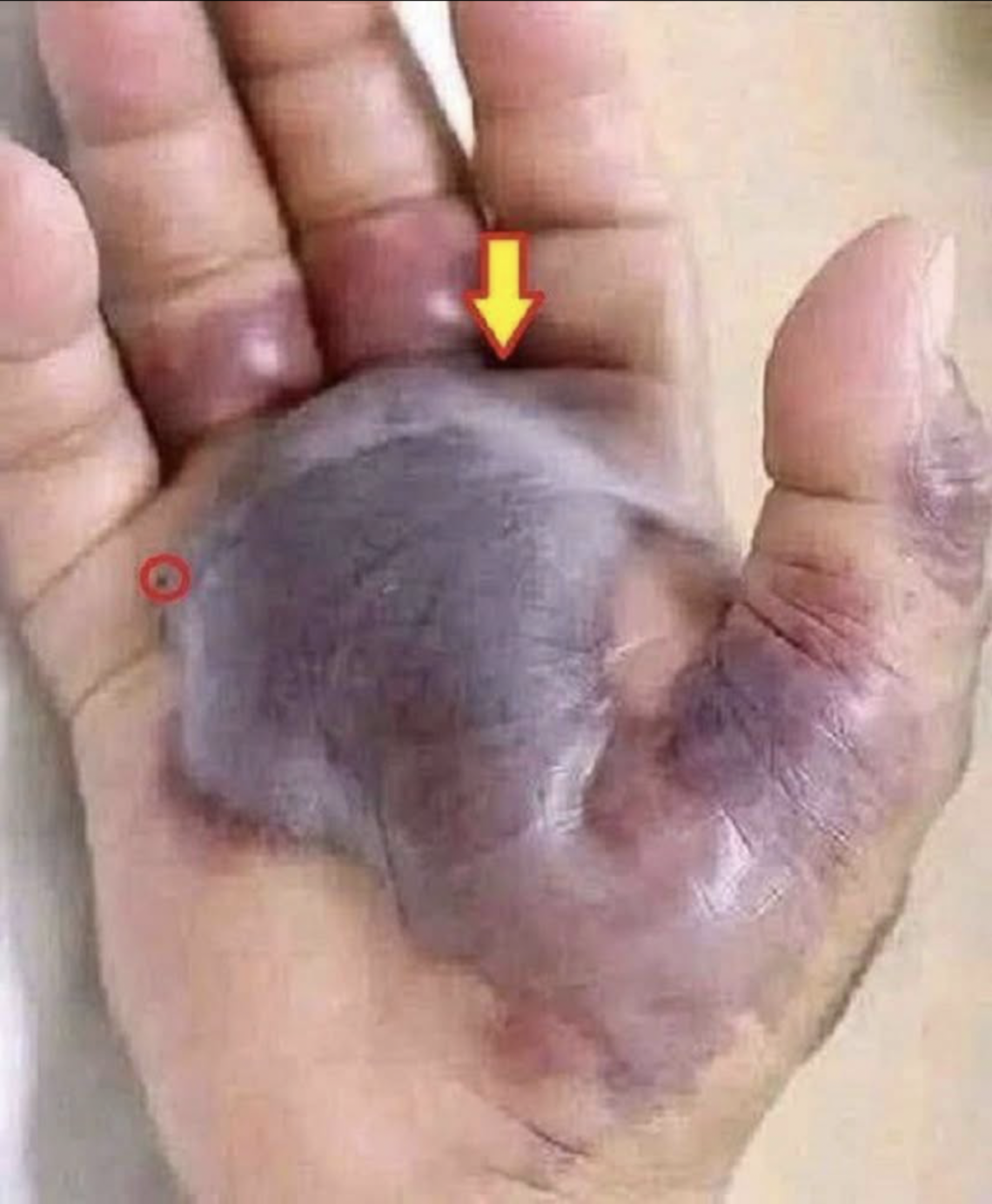
Small cuts, scrapes, scratches, paper cuts, blisters, and insect bites are an ordinary part of everyday life. Whether you’re preparing dinner in the kitchen, working in the garden, hiking through the woods, playing with children, or simply spending time outdoors, minor skin injuries happen to almost everyone. In most cases, they are little more than a temporary inconvenience. After a quick wash and perhaps a bandage, the body’s remarkable healing process begins almost immediately.
Our skin is the body’s largest organ and serves as one of its most important protective barriers. It shields us from bacteria, viruses, fungi, chemicals, and countless environmental hazards. When that protective barrier is broken—even by something as small as a mosquito bite or paper cut—the body quickly activates an intricate healing process. Blood clotting begins, inflammation helps protect the area, and specialized cells work together to repair damaged tissue.
Fortunately, the vast majority of minor wounds heal without any complications. A small scratch may disappear within days, while a deeper cut might take a week or two. Mild insect bites often stop itching after a short time, leaving little evidence they were ever there.
However, healing does not always go exactly as planned.
Occasionally, bacteria can enter through damaged skin and begin multiplying before the immune system is able to eliminate them completely. When this happens, what started as a harmless injury may gradually develop into a skin infection. At first, the warning signs can be subtle—slightly increased redness, warmth, tenderness, or swelling that seems just a little more noticeable than expected. Because these early symptoms often resemble the body’s normal healing response, they can easily be overlooked.
Recognizing the difference between healthy healing and the early stages of infection is important. Early attention may help prevent a minor problem from becoming more serious and can reduce the need for more extensive medical treatment later.
This guide explains how normal healing usually progresses, the early signs that may suggest an infection, factors that increase risk, practical wound-care tips, and situations in which professional medical evaluation is recommended.
How the Body Normally Heals a Minor Wound
When the skin is injured, healing begins almost immediately.
The process generally occurs in several overlapping stages.
Bleeding Stops
Blood clotting helps seal the wound.
Mild Inflammation Begins
This is a normal response.
You may notice:
- Slight redness
- Mild swelling
- Tenderness
- Warmth around the injury
These changes are usually part of healthy healing.
New Tissue Forms
The body begins rebuilding damaged skin.
Skin Repairs Itself
Over time, the wound closes and gradually strengthens.
Minor injuries often improve steadily each day.
When Healing Doesn’t Go as Expected
Sometimes bacteria enter the wound before it fully closes.
Although the immune system often destroys these bacteria successfully, infections can occasionally develop.
This is more likely if:
- Dirt entered the wound.
- The injury was not cleaned.
- The wound is deep.
- The skin remains constantly moist.
- The area experiences repeated friction.
- Certain health conditions affect healing.
Early Signs That May Suggest an Infection
Recognizing these warning signs early can make treatment easier.
1. Increasing Redness
Some redness immediately after injury is completely normal.
However, be cautious if:
- The redness spreads outward.
- It becomes brighter.
- The affected area continues expanding after several days.
Instead of gradually fading, infected skin often becomes increasingly red.
2. Swelling That Gets Worse
Minor swelling usually improves with time.
Persistent or increasing swelling may indicate infection, especially when combined with other symptoms.
3. Warmth Around the Area
Healing wounds often feel slightly warm.
An infected wound may become noticeably hotter than the surrounding skin.
4. Increasing Pain
Pain normally decreases as healing progresses.
If discomfort suddenly becomes worse instead of better, it deserves attention.
5. Pus or Thick Drainage
One of the clearest signs of infection is drainage that appears:
- Yellow
- Green
- Thick
- Cloudy
Clear fluid during early healing can be normal, but thick pus often suggests infection.
6. Bad Odor
An unpleasant smell coming from a wound may indicate bacterial growth.
This should not be ignored.
7. Delayed Healing
Small cuts typically improve every day.
If the wound:
- Stops improving
- Appears unchanged for many days
- Begins looking worse
Further evaluation may be appropriate.
8. Red Streaks
Red streaks extending away from the wound may indicate that the infection is spreading through nearby lymphatic vessels.
This requires prompt medical evaluation.
9. Fever
A fever may suggest the body’s immune system is responding to a more significant infection.
When fever develops alongside an infected wound, medical care is recommended.
Insect Bites Can Also Become Infected
Most insect bites cause temporary:
- Itching
- Redness
- Mild swelling
These symptoms usually improve within several days.
Problems may develop when scratching breaks the skin.
Bacteria from the hands or surrounding environment can then enter the damaged area.
Common Insect Bites That May Become Infected
Infections may occasionally develop after:
- Mosquito bites
- Ant bites
- Flea bites
- Spider bites
- Tick bites
- Bee stings
- Wasp stings
The infection itself is generally caused by bacteria entering damaged skin rather than by the insect.
Who Is More Likely to Develop Skin Infections?
Certain factors increase risk.
These include:
- Diabetes
- Poor circulation
- Weakened immune systems
- Older age
- Chronic skin conditions
- Deep wounds
- Animal bites
- Human bites
People in these groups should monitor wounds carefully.
Caring for Minor Cuts at Home
Proper wound care helps reduce infection risk.
Basic steps include:
Wash Your Hands
Clean hands help prevent introducing bacteria.
Rinse the Wound
Gently rinse with clean running water.
Remove visible dirt if possible.
Mild Soap Around the Area
Avoid harsh scrubbing directly inside the wound.
Apply a Bandage
Covering the wound helps protect it from dirt.
Replace bandages when they become wet or dirty.
Monitor Daily
Check for changes in:
- Redness
- Swelling
- Drainage
- Pain
Caring for Insect Bites
To reduce irritation:
- Wash gently with soap and water.
- Avoid scratching.
- Keep fingernails clean.
- Apply cool compresses if needed.
- Follow healthcare advice regarding anti-itch treatments when appropriate.
Preventing scratching greatly reduces infection risk.
Common Mistakes
Many people accidentally slow healing by:
- Picking scabs.
- Scratching bites repeatedly.
- Ignoring worsening symptoms.
- Leaving dirty bandages on too long.
- Using unclean objects to remove debris.
- Continuing activities that repeatedly reopen the wound.
Gentle care usually supports faster healing.
When Medical Evaluation Is Recommended
Seek professional medical advice if:
- Redness continues spreading.
- Pain becomes severe.
- Thick pus develops.
- Fever occurs.
- Red streaks appear.
- Swelling becomes significant.
- The wound resulted from an animal or human bite.
- The injury is deep or difficult to clean.
- Healing seems unusually slow.
- You have diabetes or another condition that affects healing.
Prompt treatment may prevent more serious complications.
Can Infections Be Prevented?
Many minor wound infections can be reduced through simple habits.
Helpful practices include:
- Washing wounds promptly.
- Keeping cuts clean.
- Covering injuries when appropriate.
- Changing dressings regularly.
- Avoiding unnecessary scratching.
- Practicing good hand hygiene.
- Keeping vaccinations, including tetanus when recommended, up to date.
Frequently Asked Questions
Is slight redness always a sign of infection?
No.
Some redness is a completely normal part of the healing process.
The concern is redness that spreads or worsens over time.
Is itching normal?
Yes.
Many healing wounds and insect bites itch as they recover.
Excessive scratching, however, can damage the skin and increase infection risk.
Should every cut be covered?
Not always.
Many minor wounds benefit from temporary protection, especially if they may become dirty or irritated.
Can I treat every infection at home?
No.
Some infections require professional medical evaluation and, in some cases, prescription treatment.
Tips for Healthy Healing
- Clean wounds promptly.
- Keep injuries protected.
- Wash your hands before changing bandages.
- Watch for changing symptoms.
- Avoid scratching insect bites.
- Stay hydrated.
- Eat a balanced diet to support healing.
- Rest when recovering from larger injuries.

Welcome to my kitchen!
I’m a passionate home cook and recipe creator who loves turning simple ingredients into delicious, comforting meals that everyone can enjoy. Through this website, I share carefully prepared recipes, practical cooking tips, and easy-to-understand food education to help you feel more confident in the kitchen.
My goal is to make cooking simple, enjoyable, and accessible. Whether you are looking for a quick family dinner, a delicious dessert, healthy meal ideas, or traditional recipes with a modern touch, you’ll find inspiration here.
More Than Just Recipes
I believe that cooking is also a way to learn. That’s why this website is not only about recipes. I also create educational articles about ingredients, cooking techniques, kitchen tips, food preparation, and the stories behind different dishes.
Each article is designed to give you useful knowledge that you can apply in your own kitchen. From understanding how ingredients work together to learning better cooking methods, my aim is to help you become a more confident and creative cook.
My Philosophy
Good food doesn’t always require complicated ingredients or professional equipment. With a little knowledge, patience, and creativity, simple ingredients can become something truly special.
I believe in sharing recipes that are practical, clearly explained, and enjoyable to make. I also love exploring new flavors while appreciating traditional cooking and the recipes passed down through generations.
Thank you for visiting my kitchen and being part of this food-loving community. I hope my recipes and articles inspire you to cook, learn, experiment, and most importantly, enjoy every bite!
Happy cooking!