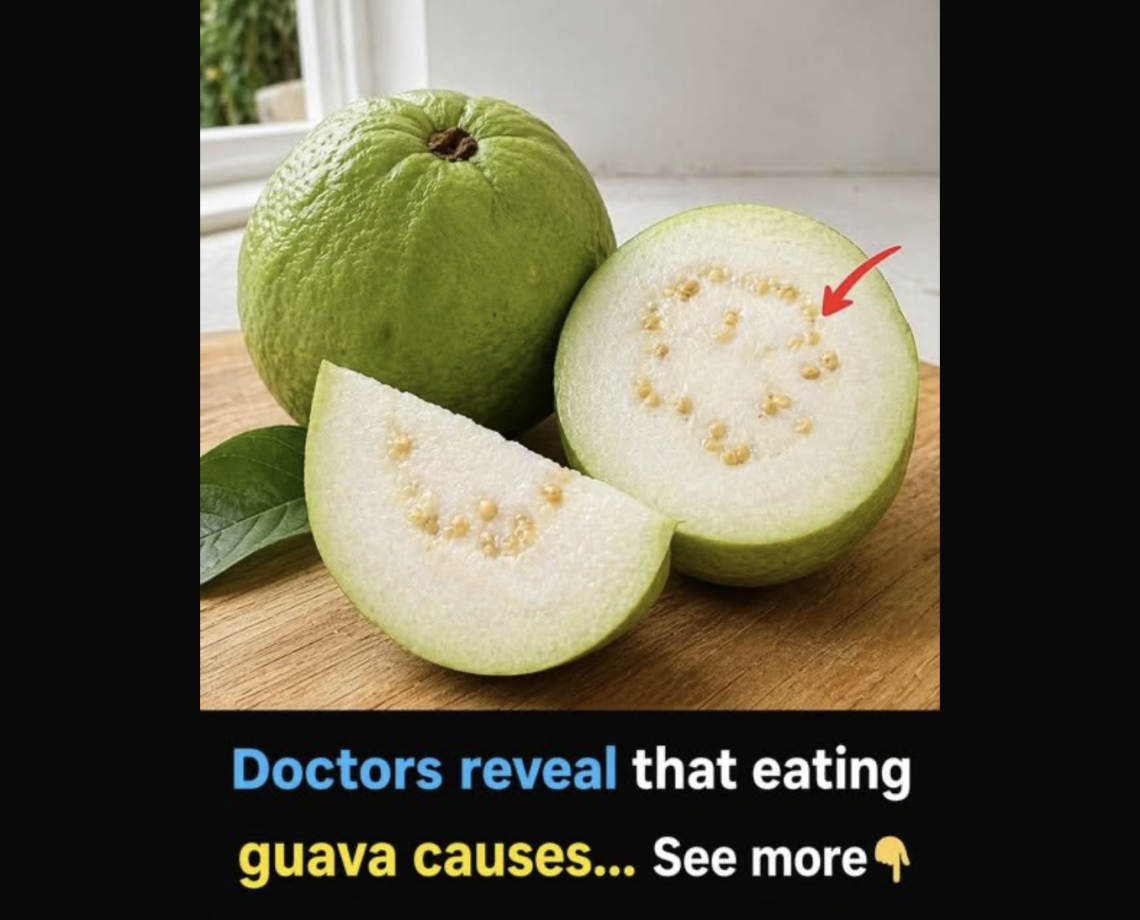
Guava is one of those fruits that often gets overlooked next to more common choices like apples or bananas. Yet, from a nutritional standpoint, it is exceptionally rich and surprisingly powerful. Doctors and nutrition experts frequently point out that guava delivers a dense concentration of vitamins, fiber, and antioxidants in a single serving—making it one of the most beneficial fruits you can include in your diet.
But as with any food, the real story lies beyond simple claims. Guava offers meaningful health benefits when eaten regularly and in moderation, but it is not a miracle cure. Understanding what it actually does inside your body helps you use it wisely.
What Makes Guava So Nutritionally Powerful?
guava stands out because of its impressive nutrient profile:
- Extremely high in vitamin C (often more than oranges)
- Rich in dietary fiber
- Contains antioxidants like lycopene and flavonoids
- Provides potassium, folate, and small amounts of protein
This combination makes guava a multi-benefit fruit, supporting several systems in the body at once.
1. Strong Support for the Immune System
One of the most well-known benefits of guava is its impact on immunity.
Because of its high vitamin C content, it can:
- Help strengthen the body’s natural defenses
- Support the production of white blood cells
- Protect cells from oxidative stress
Doctors often emphasize that vitamin C is essential for maintaining a healthy immune response, especially during periods of stress or seasonal illness.
2. Digestive Health and Gut Support
Guava is particularly beneficial for digestion.
Its fiber content helps:
- Promote regular bowel movements
- Prevent constipation
- Support a healthy gut environment
In addition, guava seeds—when eaten in moderation—can help stimulate digestion naturally.
A healthy digestive system plays a key role in overall well-being, including energy levels and nutrient absorption.
3. Blood Sugar Control
Guava has a relatively low glycemic impact, especially when eaten whole (not as juice).
It may:
- Slow sugar absorption due to fiber
- Help stabilize blood glucose levels
- Support insulin sensitivity
This makes it a smart fruit choice for people who are monitoring blood sugar levels, when eaten in appropriate portions.
4. Heart Health Benefits
Doctors often highlight guava’s role in cardiovascular health.
It may help:
- Lower bad cholesterol (LDL)
- Increase good cholesterol (HDL)
- Support healthy blood pressure due to potassium
The antioxidants in guava also help reduce inflammation, which is linked to heart disease.
5. Skin Health and Anti-Aging Support
The nutrients in guava contribute to healthier skin.
Vitamin C and antioxidants help:
- Support collagen production
- Protect against skin damage
- Maintain elasticity and hydration
While guava is not a cosmetic treatment, it supports skin health from within.
6. Weight Management
Guava can be a helpful addition to a balanced diet for weight management.
It is:
- Low in calories
- High in fiber (promotes fullness)
- Naturally sweet without added sugar
Because it is filling, it may help reduce overeating and unnecessary snacking.
7. Brain and Nervous System Support
Guava contains vitamins like B6 and magnesium, which support:
- Brain function
- Nerve health
- Stress regulation
While the effects are subtle, consistent intake contributes to overall neurological health.
Potential Risks and Considerations
Despite its benefits, guava should still be consumed thoughtfully.
1. Digestive Sensitivity
Eating too much guava at once may cause:
- Bloating
- Stomach discomfort
This is mainly due to its high fiber content.
2. Blood Sugar Awareness
Although guava is beneficial, excessive intake—especially as juice—can raise sugar levels.
Whole fruit is always the better option.
3. Allergies (Rare)
Some individuals may have mild sensitivity, though this is uncommon.
Best Ways to Eat Guava
Guava is versatile and easy to include in your diet:
- Eat it fresh, sliced or whole
- Add to fruit salads
- Blend into smoothies
- Pair with yogurt
- Use in juices (preferably with fiber intact)
Eating the fruit with its skin provides the most nutrients.
How Much Should You Eat?
Moderation is key.
Doctors generally suggest:
- 1–2 medium guavas per day
This amount provides benefits without overloading the digestive system.
Common Myths About Guava
“Guava cures diseases”
No single food cures diseases. Guava supports health but is not a treatment.
“More is always better”
Excess consumption can lead to digestive issues.
“Juice is just as healthy as whole fruit”
Juicing removes fiber, reducing some benefits.

Welcome to my kitchen!
I’m a passionate home cook and recipe creator who loves turning simple ingredients into delicious, comforting meals that everyone can enjoy. Through this website, I share carefully prepared recipes, practical cooking tips, and easy-to-understand food education to help you feel more confident in the kitchen.
My goal is to make cooking simple, enjoyable, and accessible. Whether you are looking for a quick family dinner, a delicious dessert, healthy meal ideas, or traditional recipes with a modern touch, you’ll find inspiration here.
More Than Just Recipes
I believe that cooking is also a way to learn. That’s why this website is not only about recipes. I also create educational articles about ingredients, cooking techniques, kitchen tips, food preparation, and the stories behind different dishes.
Each article is designed to give you useful knowledge that you can apply in your own kitchen. From understanding how ingredients work together to learning better cooking methods, my aim is to help you become a more confident and creative cook.
My Philosophy
Good food doesn’t always require complicated ingredients or professional equipment. With a little knowledge, patience, and creativity, simple ingredients can become something truly special.
I believe in sharing recipes that are practical, clearly explained, and enjoyable to make. I also love exploring new flavors while appreciating traditional cooking and the recipes passed down through generations.
Thank you for visiting my kitchen and being part of this food-loving community. I hope my recipes and articles inspire you to cook, learn, experiment, and most importantly, enjoy every bite!
Happy cooking!