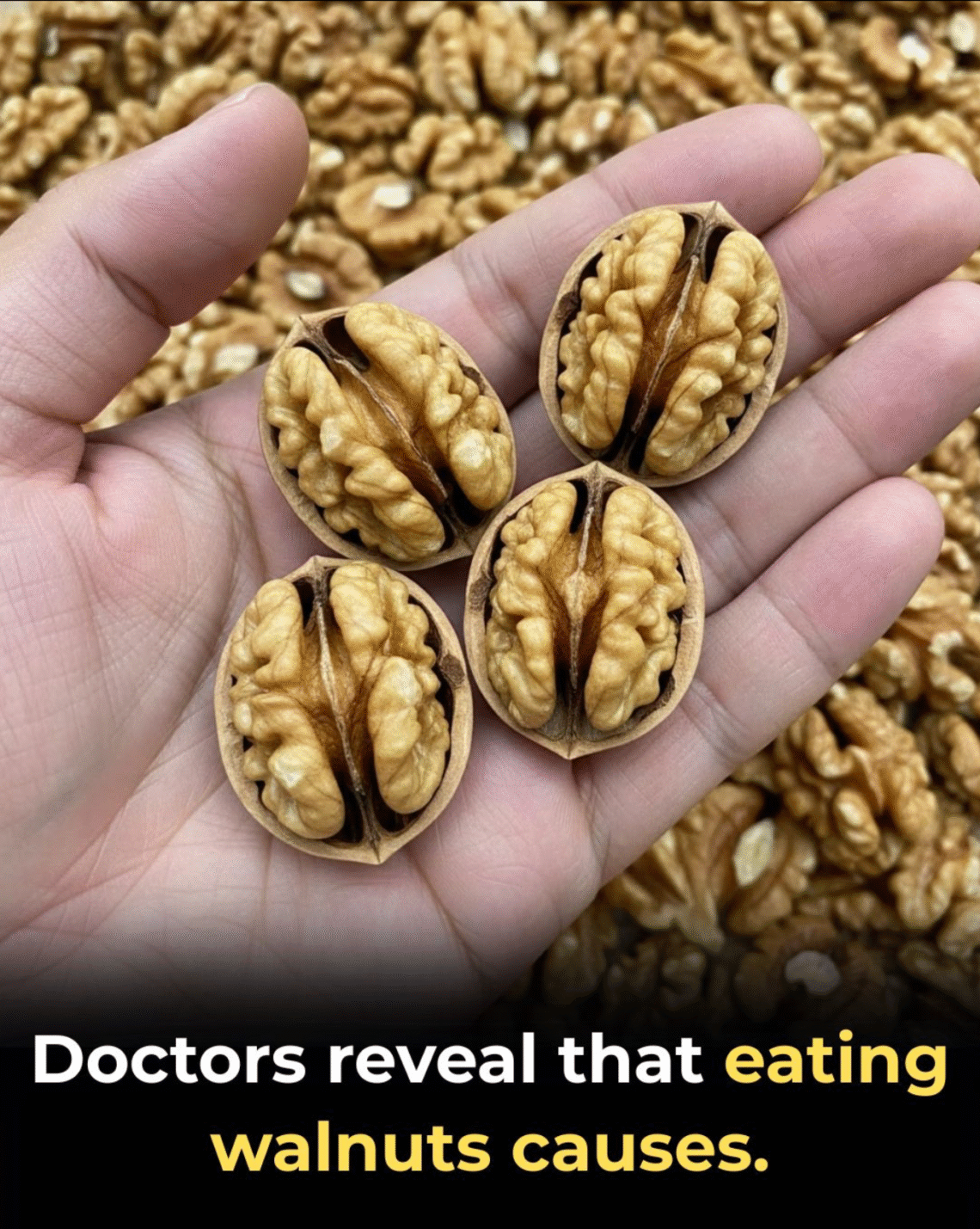
For centuries, walnuts have been valued as more than just food.
Interestingly, their shape even resembles the human brain—an observation that has sparked curiosity for generations. Today, modern research is beginning to confirm that this connection may be more than symbolic.
Doctors and nutrition experts now recognize walnuts as one of the most powerful natural foods for supporting both brain function and overall health.
But what actually happens inside your body when you eat walnuts regularly?
The answer is both fascinating and surprisingly complex.
1. A Nutritional Powerhouse in Every Bite
Walnuts are packed with nutrients that your body needs to function properly.
In just a small handful, you get:
- Healthy fats (especially omega-3 fatty acids)
- Protein
- Fiber
- Vitamins (like vitamin E and B vitamins)
- Minerals such as magnesium and zinc
Unlike many snacks, walnuts provide long-lasting energy rather than quick sugar spikes.
This makes them an ideal choice for sustained focus and physical performance.
2. Brain Health: Feeding the Mind
One of the most important benefits doctors highlight is the effect of walnuts on the brain.
Walnuts are rich in omega-3 fatty acids, which are essential for:
- Brain cell structure
- Communication between neurons
- Cognitive function
Regular consumption has been linked to:
- Improved memory
- Better concentration
- Slower cognitive decline with age
Some studies suggest that walnuts may even help protect against neurodegenerative conditions over time.
3. Mood and Mental Balance
The brain is not just about thinking—it also regulates emotions.
Nutrients in walnuts help support:
- Neurotransmitter balance
- Stress response
- Emotional stability
Doctors note that diets rich in omega-3s are often associated with lower levels of anxiety and depression.
While walnuts are not a cure, they contribute to a diet that supports mental well-being.
4. Heart Health and Circulation
Walnuts are particularly beneficial for cardiovascular health.
They help:
- Lower bad cholesterol (LDL)
- Improve good cholesterol (HDL)
- Support healthy blood vessels
The combination of healthy fats and antioxidants helps reduce inflammation, a key factor in heart disease.
Doctors often recommend walnuts as part of a heart-healthy diet.
5. Anti-Inflammatory Effects
Chronic inflammation is linked to many health problems, including:
- Heart disease
- Diabetes
- Certain chronic conditions
Walnuts contain compounds that help reduce inflammation naturally.
This makes them valuable not just for prevention, but for overall long-term health.
6. Gut Health and Digestion
Walnuts also support the digestive system.
They contain fiber and compounds that help nourish beneficial gut bacteria.
A healthy gut contributes to:
- Better digestion
- Stronger immunity
- Improved nutrient absorption
Doctors increasingly emphasize the connection between gut health and overall well-being—and walnuts play a role in that balance.
7. Weight Management: Surprising Benefits
Despite being calorie-dense, walnuts can actually support weight management.
Why?
Because they are:
- Filling
- Rich in protein and fiber
- Slow to digest
This helps reduce hunger and prevent overeating.
Studies show that people who include nuts in their diet often have better weight control than those who avoid them.
8. Skin and Aging
Walnuts contain antioxidants that help protect the body from oxidative stress.
This can benefit:
- Skin health
- Aging processes
- Cellular protection
While they won’t replace skincare, they support health from the inside out.
9. Blood Sugar Stability
Walnuts have a low impact on blood sugar levels.
This makes them a good option for:
- People with diabetes
- Those trying to maintain stable energy levels
They can help reduce spikes when eaten with carbohydrate-rich foods.
10. The Importance of Moderation
Even with all these benefits, doctors emphasize balance.
Walnuts are high in calories, so eating too much can lead to excess intake.
A typical recommendation:
- One small handful per day
This provides benefits without overconsumption.
11. Potential Risks and Considerations
While walnuts are healthy, some people should be cautious:
Allergies
Tree nut allergies can be serious and require complete avoidance.
Digestive Sensitivity
Some people may experience discomfort if they eat too many.
Storage
Walnuts can go rancid if not stored properly due to their fat content.
12. Best Ways to Eat Walnuts
To get the most benefits:
- Eat them raw or lightly toasted
- Avoid heavily salted or processed versions
- Add them to salads, yogurt, or meals
Keeping them simple preserves their nutritional value.

Welcome to my kitchen!
I’m a passionate home cook and recipe creator who loves turning simple ingredients into delicious, comforting meals that everyone can enjoy. Through this website, I share carefully prepared recipes, practical cooking tips, and easy-to-understand food education to help you feel more confident in the kitchen.
My goal is to make cooking simple, enjoyable, and accessible. Whether you are looking for a quick family dinner, a delicious dessert, healthy meal ideas, or traditional recipes with a modern touch, you’ll find inspiration here.
More Than Just Recipes
I believe that cooking is also a way to learn. That’s why this website is not only about recipes. I also create educational articles about ingredients, cooking techniques, kitchen tips, food preparation, and the stories behind different dishes.
Each article is designed to give you useful knowledge that you can apply in your own kitchen. From understanding how ingredients work together to learning better cooking methods, my aim is to help you become a more confident and creative cook.
My Philosophy
Good food doesn’t always require complicated ingredients or professional equipment. With a little knowledge, patience, and creativity, simple ingredients can become something truly special.
I believe in sharing recipes that are practical, clearly explained, and enjoyable to make. I also love exploring new flavors while appreciating traditional cooking and the recipes passed down through generations.
Thank you for visiting my kitchen and being part of this food-loving community. I hope my recipes and articles inspire you to cook, learn, experiment, and most importantly, enjoy every bite!
Happy cooking!