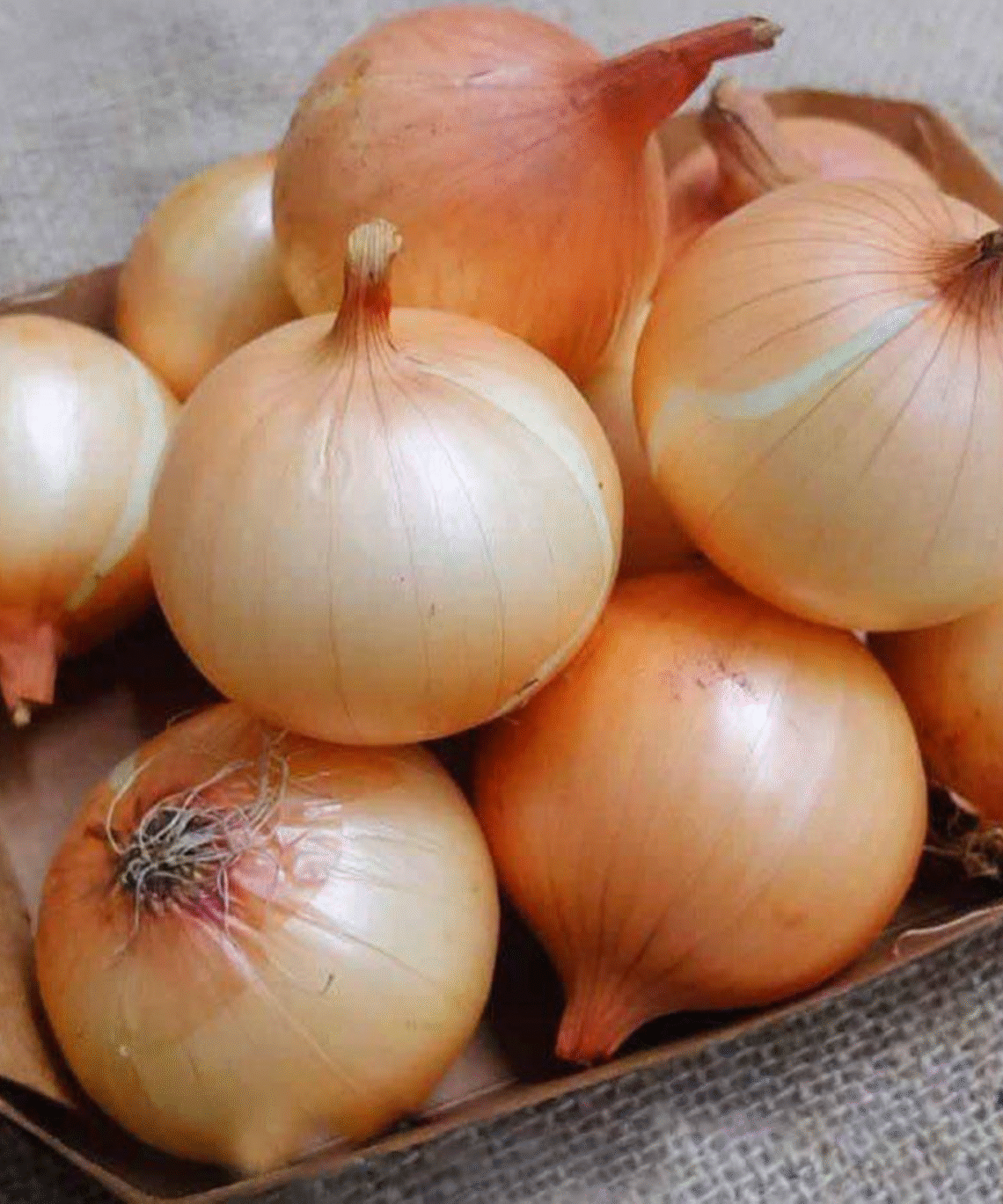
Onions are one of the oldest cultivated vegetables in the world, yet many people still underestimate their health benefits. Found in nearly every cuisine, onions are more than just a flavor base for soups, sauces, and stews. According to nutrition experts and medical research, eating onions regularly can support heart health, strengthen immunity, improve digestion, and even help regulate blood sugar.
Here is a detailed look at what happens inside your body when you include onions in your diet.
1. Supports Heart Health
Onions contain powerful antioxidants, particularly quercetin, a natural plant compound that helps reduce inflammation and oxidative stress in the body.
Doctors explain that regular onion consumption may:
Help lower blood pressure
Reduce LDL (“bad”) cholesterol
Improve blood circulation
Decrease inflammation in blood vessels
Chronic inflammation is linked to heart disease. By fighting oxidative stress, onions may contribute to long-term cardiovascular protection.
2. Strengthens the Immune System
Onions are rich in:
Vitamin C
Sulfur compounds
Antioxidants
These nutrients help stimulate white blood cell activity and strengthen the body’s natural defense system.
Sulfur compounds found in onions also have antimicrobial properties, which may help the body fight certain bacteria and viruses. This is one reason onions have been used in traditional remedies for centuries.
3. Improves Digestive Health
Onions are a good source of prebiotics, especially a type of fiber called inulin.
Prebiotics feed beneficial gut bacteria, which can:
Improve digestion
Support nutrient absorption
Strengthen immune function
Promote regular bowel movements
A healthy gut microbiome is increasingly linked to overall wellness, including mood and immune balance.
However, some individuals with sensitive digestion may experience bloating when eating raw onions. Cooking them can make them easier to tolerate.
4. May Help Regulate Blood Sugar
Certain compounds in onions have been studied for their potential role in blood sugar control.
Research suggests that onion extracts may:
Improve insulin sensitivity
Help lower fasting blood glucose levels
Support metabolic balance
This can be especially helpful for individuals managing type 2 diabetes or insulin resistance, though onions should complement—not replace—medical treatment.
5. Contains Anti-Inflammatory Properties
Chronic inflammation is linked to conditions such as arthritis, heart disease, and certain metabolic disorders.
Onions contain flavonoids and sulfur compounds that may help reduce inflammatory markers in the body. Red onions, in particular, are especially high in antioxidants.
Regular consumption may contribute to reduced systemic inflammation over time.
6. Supports Bone Health
Some studies suggest that frequent onion intake may be associated with improved bone density, particularly in older adults.
Compounds in onions may help reduce bone loss and support mineral retention, although more research is still ongoing in this area.
7. May Have Antimicrobial Effects
Historically, onions were used in traditional medicine for their natural antibacterial qualities. Modern studies show that certain onion compounds can inhibit the growth of specific harmful bacteria.
While they are not a substitute for medical antibiotics, onions do contain bioactive compounds that support the body’s natural defenses.
8. Potential Cancer-Fighting Compounds
Onions are part of the allium vegetable family (which includes garlic and leeks). Allium vegetables contain organosulfur compounds that researchers are studying for their potential protective effects.
Some observational studies suggest that higher intake of allium vegetables may be associated with a reduced risk of certain cancers, particularly digestive tract cancers. However, onions alone are not a cure or prevention method—they are simply part of a healthy dietary pattern.
Raw vs. Cooked: Does It Matter?
Raw onions retain more vitamin C and certain antioxidants.
Cooked onions are easier to digest and still contain beneficial compounds.
Light cooking (such as sautéing) preserves many nutrients.
Both forms can be beneficial as part of a balanced diet.
Possible Side Effects to Consider
While onions are healthy for most people, they may cause:
Gas or bloating (especially raw)
Heartburn in sensitive individuals
Eye irritation when cutting
People with irritable bowel conditions may need to moderate intake.
How Much Should You Eat?
There is no strict medical recommendation for daily onion intake, but incorporating small amounts regularly—such as half a medium onion per day in meals—can provide health benefits without digestive discomfort.
Onions work best as part of a balanced diet rich in vegetables, fruits, whole grains, and healthy fats.
Final Thoughts
Doctors and nutrition experts agree that onions are far more than a simple cooking ingredient. Rich in antioxidants, fiber, and natural plant compounds, they support heart health, digestion, immunity, and metabolic balance.
Eating onions regularly will not magically cure disease—but as part of a healthy lifestyle, they can contribute meaningfully to long-term wellness.

Welcome to my kitchen!
I’m a passionate home cook and recipe creator who loves turning simple ingredients into delicious, comforting meals that everyone can enjoy. Through this website, I share carefully prepared recipes, practical cooking tips, and easy-to-understand food education to help you feel more confident in the kitchen.
My goal is to make cooking simple, enjoyable, and accessible. Whether you are looking for a quick family dinner, a delicious dessert, healthy meal ideas, or traditional recipes with a modern touch, you’ll find inspiration here.
More Than Just Recipes
I believe that cooking is also a way to learn. That’s why this website is not only about recipes. I also create educational articles about ingredients, cooking techniques, kitchen tips, food preparation, and the stories behind different dishes.
Each article is designed to give you useful knowledge that you can apply in your own kitchen. From understanding how ingredients work together to learning better cooking methods, my aim is to help you become a more confident and creative cook.
My Philosophy
Good food doesn’t always require complicated ingredients or professional equipment. With a little knowledge, patience, and creativity, simple ingredients can become something truly special.
I believe in sharing recipes that are practical, clearly explained, and enjoyable to make. I also love exploring new flavors while appreciating traditional cooking and the recipes passed down through generations.
Thank you for visiting my kitchen and being part of this food-loving community. I hope my recipes and articles inspire you to cook, learn, experiment, and most importantly, enjoy every bite!
Happy cooking!