A Closer Look at the Benefits of This Nutrient-Packed Tropical Fruit
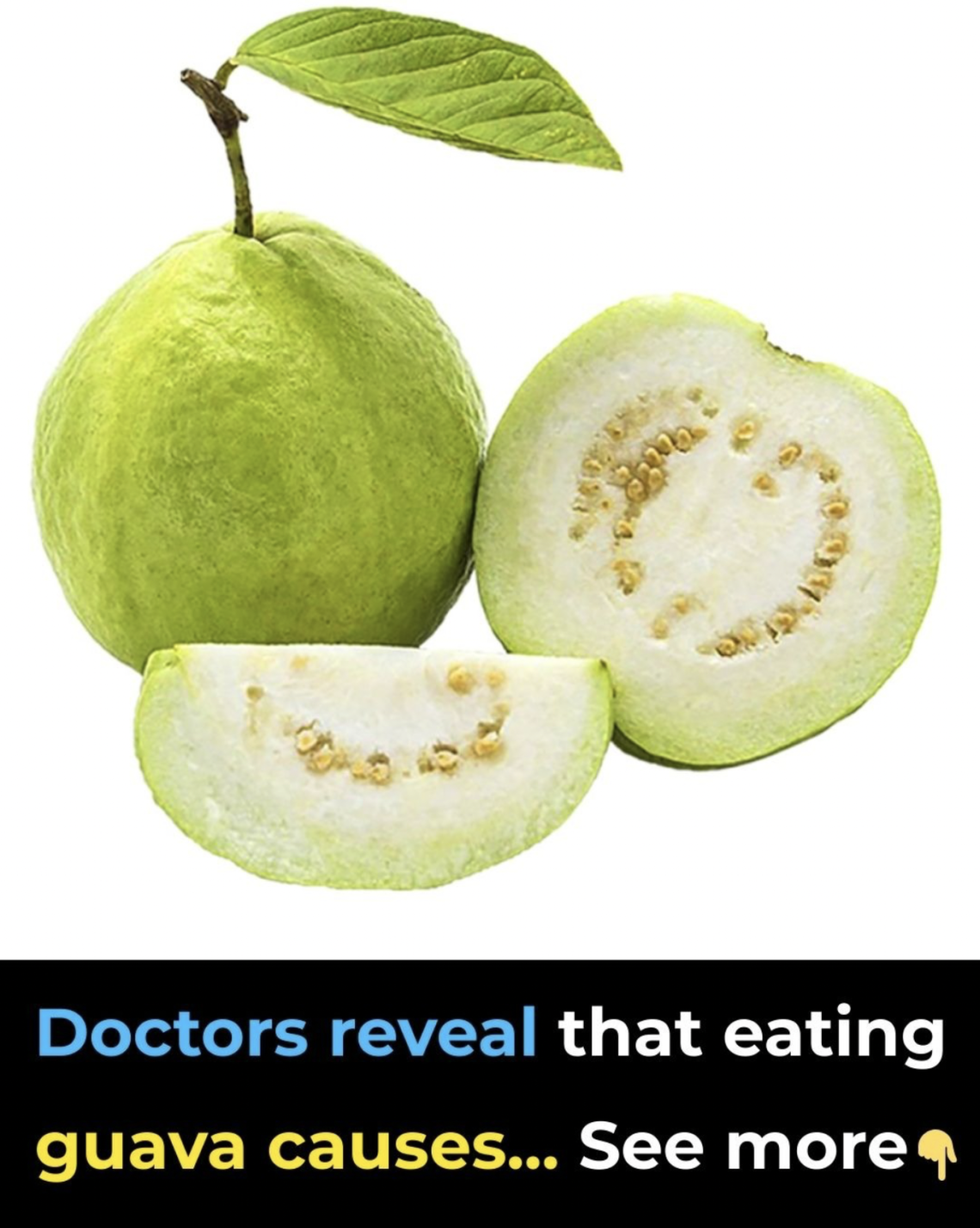
Guava is often called a “superfruit,” and for good reason. This tropical fruit, known for its sweet aroma, juicy flesh, and edible seeds, is packed with vitamins, minerals, fiber, and plant compounds that support overall health. While headlines sometimes claim that eating guava “causes” dramatic changes, the reality is more balanced: regularly including guava in a healthy diet may contribute to a wide range of health benefits.
Let’s explore what doctors, nutritionists, and scientific research say about guava and why it has earned a reputation as one of the most nutritious fruits available.
What Is Guava?
Guava is the fruit of several species in the genus Psidium, native to Central and South America but now grown throughout tropical and subtropical regions worldwide.
Depending on the variety, guava may have:
- Green or yellow skin
- White, pink, red, or yellow flesh
- A sweet-tart flavor
- Small edible seeds
It can be eaten:
- Fresh
- Juiced
- Blended into smoothies
- Added to fruit salads
- Cooked into jams, desserts, and sauces
Nutritional Value of Guava
One of guava’s biggest strengths is its impressive nutrient density.
A typical serving contains:
- Vitamin C
- Dietary fiber
- Potassium
- Folate
- Vitamin A
- Magnesium
- Antioxidants such as lycopene and quercetin
In fact, guava is among the richest natural sources of vitamin C, often containing significantly more vitamin C than oranges per serving.
1. May Support Immune Function
One of the most discussed benefits of guava is its exceptionally high vitamin C content.
Vitamin C plays important roles in:
- Supporting immune cell function
- Helping the body respond to infections
- Promoting wound healing
- Protecting cells from oxidative stress
A diet rich in vitamin C can help support normal immune function, although no fruit can prevent illness by itself.
2. May Improve Digestive Health
Guava is naturally rich in dietary fiber.
Fiber helps:
- Promote regular bowel movements
- Support digestive comfort
- Feed beneficial gut bacteria
- Increase feelings of fullness
Many people find that eating fiber-rich fruits like guava helps support healthy digestion as part of a balanced diet.
3. May Help You Feel Full Longer
Because guava contains both:
- Fiber
- Water
it can be a satisfying snack that helps reduce hunger between meals.
Foods that promote fullness may make it easier for some people to:
- Manage portion sizes
- Reduce excessive snacking
- Maintain healthy eating habits
4. May Support Heart Health
Guava contains nutrients that are associated with cardiovascular health, including:
Potassium
Potassium helps maintain normal blood pressure by balancing the effects of sodium in the body.
Fiber
Soluble fiber may help support healthy cholesterol levels when consumed as part of an overall healthy diet.
Antioxidants
Plant compounds in guava help protect cells from oxidative damage.
Together, these nutrients make guava a heart-friendly fruit choice.
5. Rich in Antioxidants
Guava contains numerous antioxidants, including:
- Lycopene
- Vitamin C
- Quercetin
- Carotenoids
- Polyphenols
Antioxidants help neutralize unstable molecules known as free radicals.
Excessive oxidative stress has been linked to aging and various chronic diseases, making antioxidant-rich foods an important part of a balanced diet.
6. May Help Support Healthy Blood Sugar Management
Although guava contains natural sugars, it also provides fiber, which can slow digestion and help moderate how quickly sugars are absorbed.
Some studies suggest that guava and guava leaf extracts may have beneficial effects on blood sugar regulation, though more research is still needed.
People with diabetes can often enjoy guava as part of a balanced meal plan, but portion size remains important.
7. May Support Skin Health
The nutrients found in guava contribute to healthy skin in several ways.
Vitamin C is essential for:
- Collagen production
- Skin repair
- Maintaining skin structure
Antioxidants help protect the skin from environmental stressors and normal aging processes.
While eating guava will not instantly transform your skin, a nutrient-rich diet supports skin health over time.
8. May Contribute to Eye Health
Guava contains:
- Vitamin A
- Carotenoids
These nutrients play important roles in maintaining normal vision and supporting eye health.
A diet rich in colorful fruits and vegetables is often recommended to help support long-term eye function.
9. May Support Healthy Aging
Healthy aging involves many factors, including:
- Good nutrition
- Physical activity
- Sleep
- Stress management
Because guava provides antioxidants, vitamins, minerals, and fiber, it can be part of an eating pattern that supports overall wellness throughout life.
10. A Naturally Low-Calorie Snack
For people seeking nutrient-dense foods, guava is an excellent choice because it provides:
- Vitamins
- Minerals
- Fiber
- Water
without excessive calories.
This makes it a convenient snack option that offers substantial nutritional value.
The Benefits of Eating the Skin
Many people peel guava, but the skin contains additional fiber and antioxidants.
If the fruit is thoroughly washed and the texture is enjoyable, eating the skin can increase nutritional intake.
However, personal preference varies, and both peeled and unpeeled guava can be healthy choices.
Guava Leaves: Another Area of Interest
In many traditional practices, guava leaves have been used to prepare herbal teas.
Researchers continue to study guava leaf compounds for their potential effects on:
- Blood sugar management
- Digestive health
- Antioxidant activity
While promising, these uses should not replace medical treatment or professional healthcare advice.
Are There Any Downsides?
For most healthy individuals, guava is safe and nutritious.
However:
Excessive Fiber Intake
Eating very large amounts may contribute to:
- Bloating
- Gas
- Digestive discomfort
especially in people who are not used to high-fiber foods.
Allergies
Although uncommon, some individuals may experience allergic reactions to guava.
Medical Conditions
People with specific dietary restrictions should follow guidance from their healthcare provider.
Ways to Enjoy Guava
Fresh guava is delicious on its own, but it can also be used in:
- Smoothies
- Fruit salads
- Yogurt bowls
- Oatmeal
- Homemade juices
- Salsas
- Desserts
Its sweet-tart flavor pairs well with many foods.

Welcome to my kitchen!
I’m a passionate home cook and recipe creator who loves turning simple ingredients into delicious, comforting meals that everyone can enjoy. Through this website, I share carefully prepared recipes, practical cooking tips, and easy-to-understand food education to help you feel more confident in the kitchen.
My goal is to make cooking simple, enjoyable, and accessible. Whether you are looking for a quick family dinner, a delicious dessert, healthy meal ideas, or traditional recipes with a modern touch, you’ll find inspiration here.
More Than Just Recipes
I believe that cooking is also a way to learn. That’s why this website is not only about recipes. I also create educational articles about ingredients, cooking techniques, kitchen tips, food preparation, and the stories behind different dishes.
Each article is designed to give you useful knowledge that you can apply in your own kitchen. From understanding how ingredients work together to learning better cooking methods, my aim is to help you become a more confident and creative cook.
My Philosophy
Good food doesn’t always require complicated ingredients or professional equipment. With a little knowledge, patience, and creativity, simple ingredients can become something truly special.
I believe in sharing recipes that are practical, clearly explained, and enjoyable to make. I also love exploring new flavors while appreciating traditional cooking and the recipes passed down through generations.
Thank you for visiting my kitchen and being part of this food-loving community. I hope my recipes and articles inspire you to cook, learn, experiment, and most importantly, enjoy every bite!
Happy cooking!