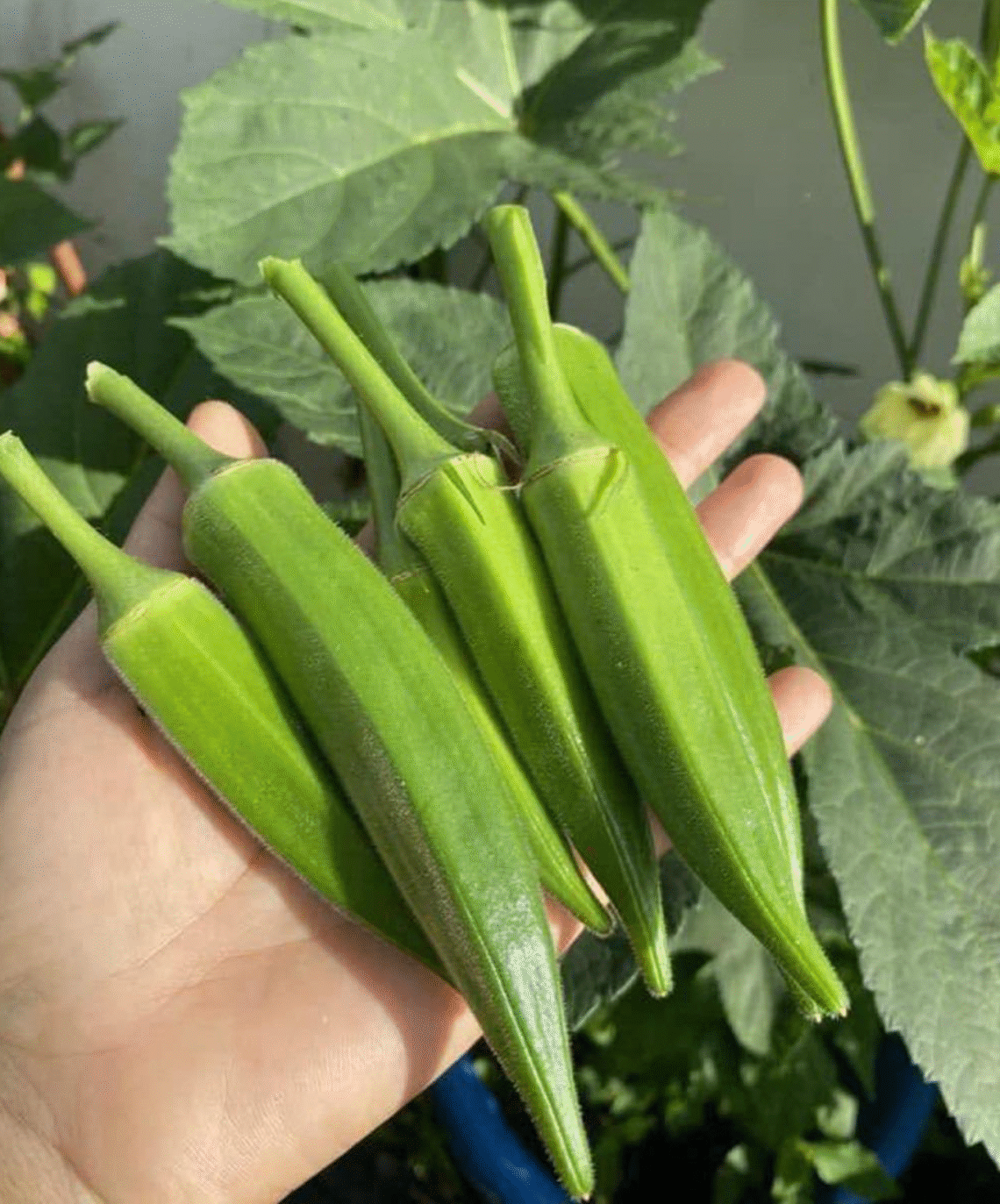
Okra, sometimes called “lady’s finger”, is a green, finger-shaped vegetable known for its slightly mucilaginous textureand subtle flavor. While it may seem humble compared to trendy superfoods like kale or quinoa, doctors and nutritionists emphasize that okra is packed with nutrients and compounds that support overall health. At the same time, like any food, it isn’t perfect for everyone, and understanding potential cautions ensures you can enjoy it safely.
Nutritional Profile of Okra
Okra is a low-calorie, nutrient-dense vegetable with an impressive range of vitamins, minerals, and bioactive compounds:
- Calories: About 30 per cup (raw, sliced)
- Fiber: 3 grams, supporting digestion and gut health
- Vitamin C: 20% of daily value — boosts immunity and skin health
- Vitamin K: 60% of daily value — important for blood clotting and bone health
- Folate (Vitamin B9): 15% of daily value — supports DNA synthesis and pregnancy health
- Magnesium, potassium, and calcium: Key for heart, muscle, and bone function
- Antioxidants: Including flavonoids, polyphenols, and carotenoids, which help neutralize free radicals
The combination of fiber, antioxidants, and micronutrients makes okra a versatile ally for cardiovascular, digestive, and metabolic health.
Health Benefits Backed by Research
1. Supports Digestive Health
Okra is rich in soluble and insoluble fiber, which can:
- Aid in regular bowel movements and prevent constipation
- Promote the growth of beneficial gut bacteria
- Reduce the risk of digestive disorders, such as diverticulosis
The mucilaginous (gel-like) substance in okra may also act as a gentle prebiotic, feeding healthy gut bacteria and supporting overall digestive balance.
2. Helps Regulate Blood Sugar
Research suggests that okra may play a role in blood sugar management, particularly for people with type 2 diabetes:
- Soluble fiber slows sugar absorption in the intestines, reducing spikes in blood glucose after meals.
- Some studies indicate that okra extracts may improve insulin sensitivity and glucose control in laboratory settings.
While okra is not a replacement for diabetes medications, it can complement a balanced, fiber-rich diet.
3. Promotes Heart Health
Okra’s nutrients work together to support cardiovascular health:
- Fiber can lower LDL (“bad”) cholesterol by binding to cholesterol in the digestive tract.
- Potassium and magnesium help regulate blood pressure.
- Antioxidants reduce oxidative stress, a key factor in heart disease.
Regular inclusion of okra in the diet may contribute to long-term heart protection, especially when combined with other fruits, vegetables, and whole grains.
4. Supports Immunity and Skin Health
- Vitamin C in okra promotes collagen production, which is essential for healthy skin, blood vessels, and connective tissue.
- Antioxidants help combat free radicals, reducing inflammation and supporting overall immunity.
5. May Aid Weight Management
Okra is low in calories but high in fiber, which promotes satiety and reduces overeating. Including it in meals can help control appetite and maintain a healthy weight.
Culinary Uses
Okra is versatile in the kitchen:
- Roasted or sautéed: Toss with olive oil, salt, pepper, and spices for a crispy side dish.
- Stews and soups: Adds thickness due to its mucilage; classic in gumbo or vegetable stews.
- Pickled: A tangy, crunchy snack or topping for salads.
- Grilled or air-fried: Reduces sliminess and adds smoky flavor.
Tip: Slicing okra lengthwise and cooking over high heat helps reduce its characteristic sliminess while preserving nutrients.
When to Be Careful
While okra is generally safe and healthy, certain situations warrant caution:
-
Kidney Stones:
Okra contains oxalates, which can contribute to kidney stone formation in susceptible individuals. People prone to calcium oxalate stones should moderate consumption. -
Blood Sugar Medications:
Because okra may lower blood sugar, people on diabetes medications should monitor glucose closely to avoid hypoglycemia. -
Digestive Sensitivity:
Eating large amounts of okra at once may cause bloating or gas due to its high fiber content. Introduce it gradually if your digestive system is sensitive. -
Allergies:
Although rare, some individuals may experience an allergic reaction to okra, including itching or hives.
Bottom Line
Adding okra to your diet can be a simple, affordable, and delicious way to boost health. Its combination of fiber, antioxidants, and key vitamins supports digestion, blood sugar regulation, heart health, and immunity. However, as with any food, moderation is key, especially for those with kidney concerns or on certain medications.
By understanding both the benefits and cautions, okra can become a powerful addition to a balanced, nutrient-rich diet, offering both traditional culinary enjoyment and scientifically supported health advantages.

Welcome to my kitchen!
I’m a passionate home cook and recipe creator who loves turning simple ingredients into delicious, comforting meals that everyone can enjoy. Through this website, I share carefully prepared recipes, practical cooking tips, and easy-to-understand food education to help you feel more confident in the kitchen.
My goal is to make cooking simple, enjoyable, and accessible. Whether you are looking for a quick family dinner, a delicious dessert, healthy meal ideas, or traditional recipes with a modern touch, you’ll find inspiration here.
More Than Just Recipes
I believe that cooking is also a way to learn. That’s why this website is not only about recipes. I also create educational articles about ingredients, cooking techniques, kitchen tips, food preparation, and the stories behind different dishes.
Each article is designed to give you useful knowledge that you can apply in your own kitchen. From understanding how ingredients work together to learning better cooking methods, my aim is to help you become a more confident and creative cook.
My Philosophy
Good food doesn’t always require complicated ingredients or professional equipment. With a little knowledge, patience, and creativity, simple ingredients can become something truly special.
I believe in sharing recipes that are practical, clearly explained, and enjoyable to make. I also love exploring new flavors while appreciating traditional cooking and the recipes passed down through generations.
Thank you for visiting my kitchen and being part of this food-loving community. I hope my recipes and articles inspire you to cook, learn, experiment, and most importantly, enjoy every bite!
Happy cooking!