Eggs are one of the most versatile and nutrient-dense foods you can eat. Whether you enjoy them boiled, fried, scrambled, or poached, eggs provide high-quality protein, essential vitamins, minerals, and healthy fats. However, when it comes to choosing the healthiest breakfast option, the way eggs are cooked can make a significant difference. Let’s explore the differences between boiled eggs and fried eggs, including nutrition, health impacts, and tips for incorporating them into a balanced diet.
Nutritional Profile of Eggs
Eggs are often called a superfood because they pack a variety of nutrients into a small package:
- Protein: About 6–7 grams per egg, containing all nine essential amino acids
- Healthy fats: Primarily unsaturated fats, with around 5 grams per egg
- Vitamins: Rich in vitamin B12, riboflavin, and vitamin D
- Minerals: Selenium, phosphorus, and choline for brain health
- Antioxidants: Lutein and zeaxanthin for eye health
Cooking method can influence the calorie content, fat composition, and digestibility of these nutrients.
Boiled Eggs
How They’re Made:
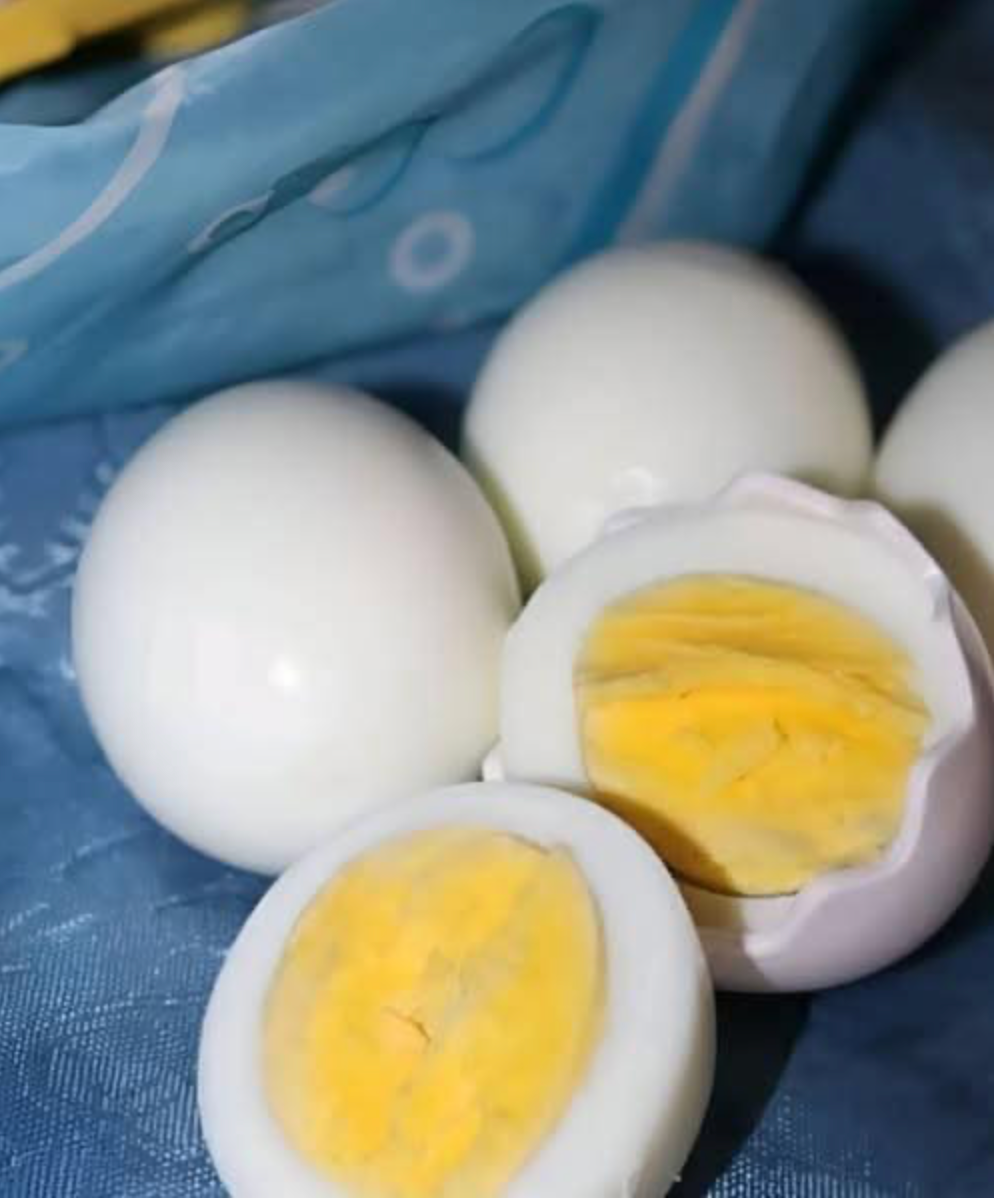
Boiled eggs are cooked in their shells in water, either until the yolk is soft (soft-boiled) or fully set (hard-boiled). No added fat is needed.
Health Advantages:
- Lower in calories: Because no oil or butter is used, boiled eggs have fewer calories than fried eggs.
- Heart-friendly: Boiling preserves the egg’s natural fat without adding extra saturated fats.
- Stable nutrients: Vitamins like B12 and minerals like selenium remain intact during boiling.
- Convenient for meal prep: Boiled eggs can be stored in the fridge for several days, making them a great grab-and-go option.
Potential Downsides:
- Boiled eggs may feel less flavorful to some people because they lack the added fats and browning that frying provides.
- Overcooking hard-boiled eggs can cause a slightly green ring around the yolk, which is harmless but affects aesthetics.
Fried Eggs
How They’re Made:
Fried eggs are cooked in a pan with oil, butter, or other fats. They can be prepared sunny-side-up, over-easy, or over-hard, depending on preference.
Health Advantages:
- Enhanced flavor: Frying adds richness and a crispy texture, making eggs more satisfying for some.
- Fat-soluble nutrient absorption: Certain vitamins (A, D, E, K) are better absorbed when eaten with some fat, so frying in a small amount of healthy oil can aid absorption.
- Versatility: Frying allows pairing with vegetables, lean proteins, or whole grains for a nutrient-packed breakfast.
Potential Downsides:
- Higher in calories: The addition of oil or butter can add 40–100+ calories per egg, depending on the type and amount used.
- Potential for harmful compounds: High-heat frying can produce oxidized cholesterol and advanced glycation end-products (AGEs), which may contribute to inflammation if consumed excessively.
- Increased saturated fat: Using butter or certain oils can raise saturated fat intake, which may impact heart health if eaten frequently.
Comparative Summary
| Feature | Boiled Eggs | Fried Eggs |
|---|---|---|
| Calories | Lower (approx. 70 cal/egg) | Higher (approx. 90–150 cal/egg, depending on oil/butter) |
| Fat Content | 5 g (naturally occurring) | 7–12 g (depends on cooking fat) |
| Protein | 6–7 g | 6–7 g |
| Nutrient Preservation | Excellent | Good (some antioxidants may degrade at high heat) |
| Heart Health | Better option due to no added fat | Moderate; depends on cooking fat choice |
| Convenience | Easy to prepare ahead | Needs immediate cooking; may require cleaning pan |
| Flavor & Texture | Mild, neutral | Rich, savory, crispy edges |
Tips for Making Fried Eggs Healthier
If you prefer fried eggs but want to keep them nutritious:
- Use healthy oils: Opt for olive oil, avocado oil, or a small amount of coconut oil instead of butter.
- Control heat: Cook over medium heat to prevent burning and reduce formation of harmful compounds.
- Pair with veggies: Add spinach, tomatoes, or mushrooms to increase fiber and antioxidants.
- Limit extra fats: Skip excessive cheese or processed meats to maintain balance.
The Bottom Line
- Boiled eggs are generally considered the healthiest breakfast choice if your priority is lower calorie intake, heart health, and convenience.
- Fried eggs can still be part of a healthy diet, especially when cooked with healthy oils and paired with nutrient-dense foods, but they come with slightly higher calorie and fat content.
- Both boiled and fried eggs provide high-quality protein and essential nutrients, so the “best” choice depends on your dietary goals, taste preference, and overall lifestyle.
Pro tip: Mixing your breakfast methods—boiling some eggs for grab-and-go protein and occasionally frying eggs for a richer, more satisfying meal—can give you the best of both worlds.
Welcome to my kitchen!
I’m a passionate home cook and recipe creator who loves turning simple ingredients into delicious, comforting meals that everyone can enjoy. Through this website, I share carefully prepared recipes, practical cooking tips, and easy-to-understand food education to help you feel more confident in the kitchen.
My goal is to make cooking simple, enjoyable, and accessible. Whether you are looking for a quick family dinner, a delicious dessert, healthy meal ideas, or traditional recipes with a modern touch, you’ll find inspiration here.
More Than Just Recipes
I believe that cooking is also a way to learn. That’s why this website is not only about recipes. I also create educational articles about ingredients, cooking techniques, kitchen tips, food preparation, and the stories behind different dishes.
Each article is designed to give you useful knowledge that you can apply in your own kitchen. From understanding how ingredients work together to learning better cooking methods, my aim is to help you become a more confident and creative cook.
My Philosophy
Good food doesn’t always require complicated ingredients or professional equipment. With a little knowledge, patience, and creativity, simple ingredients can become something truly special.
I believe in sharing recipes that are practical, clearly explained, and enjoyable to make. I also love exploring new flavors while appreciating traditional cooking and the recipes passed down through generations.
Thank you for visiting my kitchen and being part of this food-loving community. I hope my recipes and articles inspire you to cook, learn, experiment, and most importantly, enjoy every bite!
Happy cooking!