The kitchen has evolved far beyond its traditional role as simply a place to prepare meals. In today’s homes, it serves as the heart of daily life—a multifunctional space where families gather, friends connect, children complete homework, and countless memories are made. It is often the busiest room in the house, hosting everything from quick weekday breakfasts and holiday baking marathons to intimate dinners and late-night conversations over a cup of coffee.
Because the kitchen is used so frequently, every design choice matters, and one of the most important decisions homeowners make is selecting the right flooring. Kitchen floor tiles do much more than provide a surface to walk on. They influence the room’s overall appearance, comfort, durability, maintenance requirements, and even how spacious or inviting the kitchen feels.
Choosing the perfect kitchen floor tile involves balancing beauty with practicality. The right tile can completely transform the atmosphere of your kitchen, adding warmth, elegance, personality, and long-lasting functionality. Whether you’re planning a complete renovation or simply refreshing your current space, understanding the different materials, colors, textures, patterns, and installation options will help you create a kitchen that is both stunning and practical for years to come.
Why Kitchen Flooring Matters More Than You Think
Unlike many other rooms in the home, kitchens experience constant activity throughout the day.
Kitchen floors must withstand:
- Heavy foot traffic
- Dropped utensils and cookware
- Food spills
- Water splashes
- Grease and cooking residue
- Moving chairs and furniture
- Temperature changes
- Frequent cleaning
Because of these daily demands, kitchen flooring needs to be exceptionally durable while still complementing the overall design of the room.
A well-chosen tile floor doesn’t simply look attractive—it also makes everyday life easier by providing a surface that is easy to clean, resistant to wear, and capable of maintaining its appearance over many years.
The Benefits of Tile Flooring in the Kitchen
Tile remains one of the most popular kitchen flooring options for several reasons.
Outstanding Durability
Quality floor tiles are designed to withstand years of daily use without showing significant signs of wear.
Unlike some flooring materials that scratch or dent easily, ceramic and porcelain tiles are highly resistant to:
- Scratches
- Scuffs
- Stains
- Moisture
- Heat
This makes them especially well suited for busy family kitchens.
Easy Maintenance
One of the biggest advantages of tile flooring is its simple maintenance routine.
Most spills can be cleaned with:
- Warm water
- Mild detergent
- A microfiber mop
- A soft cloth
Unlike carpet, tile does not trap odors, dust, or allergens, making it a practical option for households seeking a cleaner indoor environment.
Water Resistance
Cooking naturally involves water, steam, and occasional spills.
Porcelain and properly sealed ceramic tiles resist moisture exceptionally well, helping protect the floor from damage caused by everyday kitchen activities.
Long Lifespan
When installed correctly, tile flooring can last several decades.
Many homeowners enjoy the same tile floor for twenty to forty years or even longer with proper care.
Its longevity often makes tile a worthwhile long-term investment.
Understanding Different Tile Materials
Selecting the right material is just as important as choosing the color or design.
Ceramic Tile
Ceramic tiles are one of the most common kitchen flooring choices.
Advantages include:
- Affordable pricing
- Wide variety of colors
- Numerous design options
- Easy maintenance
- Good durability
Ceramic tiles work well in most residential kitchens with moderate to heavy use.
Porcelain Tile
Porcelain is a denser, harder version of ceramic.
Its benefits include:
- Exceptional strength
- Excellent moisture resistance
- High stain resistance
- Long-lasting finish
- Suitable for very busy households
Because porcelain absorbs very little water, it performs particularly well in kitchens where spills are common.
Natural Stone
Natural stone creates a luxurious and timeless appearance.
Popular choices include:
- Slate
- Marble
- Travertine
- Limestone
- Granite
Every stone tile features unique natural patterns, ensuring that no two floors look exactly alike.
However, many natural stones require periodic sealing to help protect against staining and moisture.
Choosing the Right Color
Floor color has a major influence on the atmosphere of the kitchen.
Light Colors
Light-colored tiles create a bright and open appearance.
Popular shades include:
- White
- Cream
- Soft beige
- Light gray
These colors help reflect natural light and make smaller kitchens appear larger.
Medium Tones
Warm neutral colors provide versatility.
Examples include:
- Taupe
- Sand
- Greige
- Warm gray
These shades hide everyday dust and crumbs better than very light flooring while remaining visually inviting.
Dark Colors
Dark flooring creates dramatic contrast and sophistication.
Popular choices include:
- Charcoal
- Deep gray
- Black
- Espresso brown
Dark tiles pair beautifully with light cabinetry but may show dust more readily.
Texture Matters
Appearance is important, but texture affects both safety and comfort.
Smooth Finish
Smooth tiles:
- Are easy to clean
- Offer a sleek appearance
- Work well in modern kitchens
However, highly polished surfaces may become slippery when wet.
Matte Finish
Matte tiles provide:
- Better traction
- A softer visual appearance
- Reduced glare
- Improved slip resistance
Many homeowners choose matte finishes for busy family kitchens.
Textured Surfaces
Textured tiles mimic natural materials such as:
- Stone
- Slate
- Wood
They provide additional grip underfoot while adding visual depth.
Popular Design Styles
Modern manufacturing allows tiles to imitate nearly any material.
Wood-Look Tile
Wood-look porcelain combines the warmth of hardwood with the durability of tile.
Benefits include:
- Water resistance
- Easy maintenance
- No risk of warping
- Realistic wood grain
This option has become one of the most popular kitchen flooring trends.
Marble-Look Tile
Marble-inspired porcelain offers the elegance of natural marble while requiring significantly less maintenance.
It creates a luxurious appearance without many of the maintenance concerns associated with genuine marble.
Concrete-Look Tile
Perfect for contemporary and industrial kitchens, concrete-look tiles provide:
- Clean lines
- Minimalist style
- Neutral colors
- Excellent durability
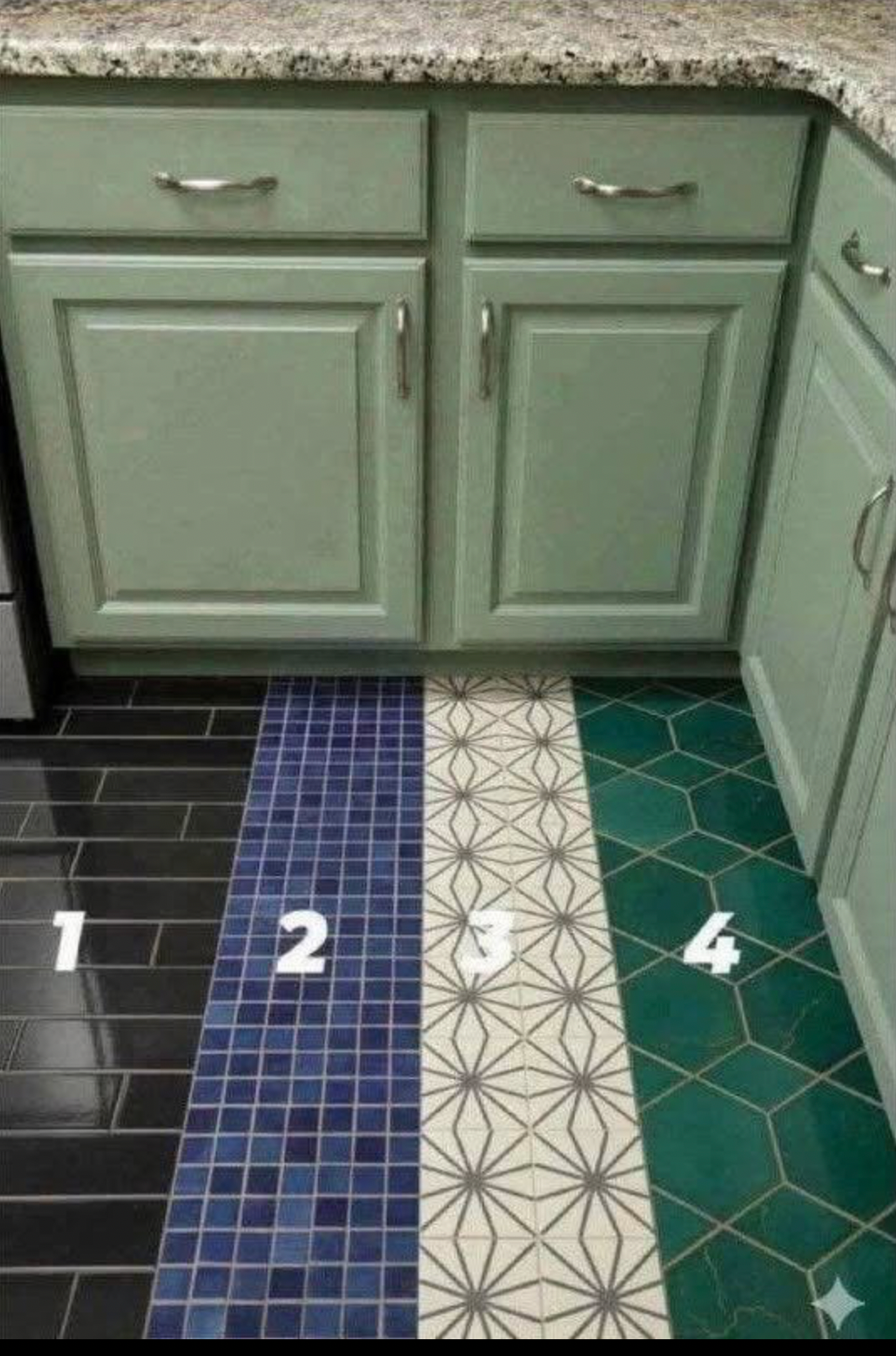
Patterned Tile
Decorative patterned tiles introduce personality and visual interest.
Popular styles include:
- Moroccan-inspired motifs
- Geometric designs
- Vintage encaustic patterns
- Mediterranean influences
These tiles often become the focal point of the entire kitchen.
Tile Size Makes a Difference
Large-format tiles have become increasingly popular.
Advantages include:
- Fewer grout lines
- More seamless appearance
- Easier cleaning
- Larger visual effect
Smaller tiles, meanwhile, allow for intricate layouts and decorative patterns.
Choosing the Right Grout
Grout is often overlooked but plays an important role in both appearance and maintenance.
Light Grout
Creates a clean, bright appearance but may require more frequent cleaning.
Dark Grout
Helps hide everyday dirt and creates striking contrast with lighter tiles.
Matching Grout
Blends with the tile color for a more continuous, unified floor.
Comfort Underfoot
Tile is naturally firm, which makes it highly durable.
To improve comfort during long cooking sessions, many homeowners use:
- Cushioned kitchen mats
- Anti-fatigue mats
- Area rugs in work zones
These accessories provide additional comfort while protecting frequently used areas.
Coordinating with Cabinets and Countertops
Successful kitchen design depends on harmony between all elements.
When selecting floor tiles, consider how they interact with:
- Cabinet color
- Countertop material
- Backsplash
- Wall paint
- Lighting
- Appliances
The floor should complement the overall design rather than compete with it.
Maintenance Tips
Proper care helps preserve your floor’s appearance.
Simple habits include:
- Sweep regularly to remove grit.
- Wipe spills promptly.
- Mop with appropriate cleaning products.
- Avoid harsh abrasive cleaners.
- Inspect grout periodically.
- Reseal natural stone if recommended by the manufacturer.
These small maintenance routines can significantly extend the life of your flooring.
Mistakes to Avoid
When choosing kitchen floor tile, homeowners sometimes make avoidable mistakes.
These include:
- Prioritizing appearance over durability.
- Choosing highly slippery finishes for busy kitchens.
- Ignoring grout color.
- Selecting trendy designs without considering long-term appeal.
- Forgetting to request tile samples for viewing under home lighting.
Taking time to compare options can prevent costly changes later.
Creating a Kitchen That Lasts
Kitchen flooring is one of the largest visual surfaces in the room and often remains in place for decades. Investing time in selecting the right material, texture, color, and layout ensures that your kitchen remains both beautiful and functional through changing design trends and everyday family life.
Rather than choosing solely based on current fashion, consider how the flooring will perform over years of cooking, entertaining, cleaning, and daily use.
Welcome to my kitchen!
I’m a passionate home cook and recipe creator who loves turning simple ingredients into delicious, comforting meals that everyone can enjoy. Through this website, I share carefully prepared recipes, practical cooking tips, and easy-to-understand food education to help you feel more confident in the kitchen.
My goal is to make cooking simple, enjoyable, and accessible. Whether you are looking for a quick family dinner, a delicious dessert, healthy meal ideas, or traditional recipes with a modern touch, you’ll find inspiration here.
More Than Just Recipes
I believe that cooking is also a way to learn. That’s why this website is not only about recipes. I also create educational articles about ingredients, cooking techniques, kitchen tips, food preparation, and the stories behind different dishes.
Each article is designed to give you useful knowledge that you can apply in your own kitchen. From understanding how ingredients work together to learning better cooking methods, my aim is to help you become a more confident and creative cook.
My Philosophy
Good food doesn’t always require complicated ingredients or professional equipment. With a little knowledge, patience, and creativity, simple ingredients can become something truly special.
I believe in sharing recipes that are practical, clearly explained, and enjoyable to make. I also love exploring new flavors while appreciating traditional cooking and the recipes passed down through generations.
Thank you for visiting my kitchen and being part of this food-loving community. I hope my recipes and articles inspire you to cook, learn, experiment, and most importantly, enjoy every bite!
Happy cooking!