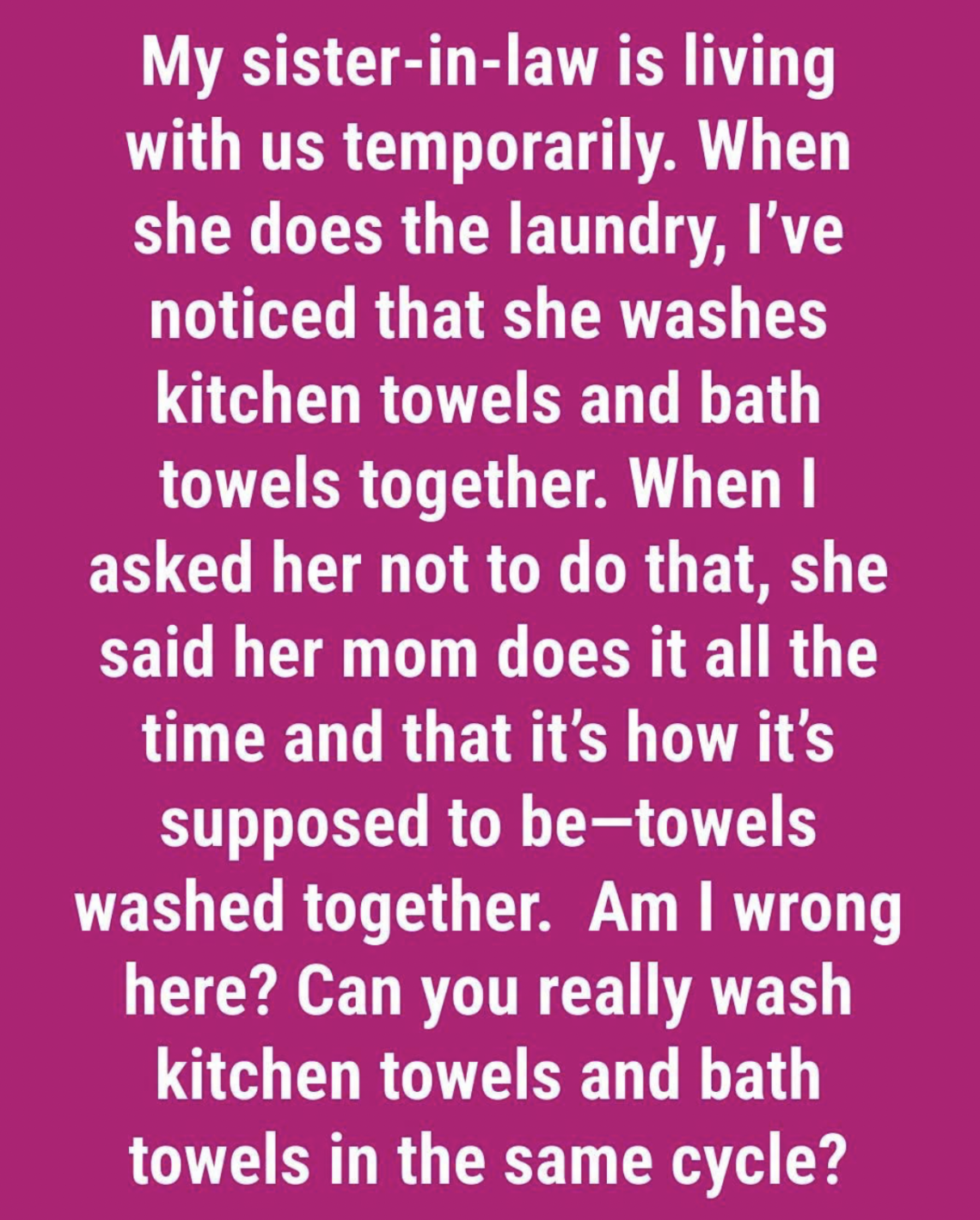
Laundry is one of those household chores that quietly becomes part of everyday life. Most of us develop a routine that works for our schedule, our family, and the amount of laundry we generate each week. Once that routine is established, we rarely stop to question it. Clothes go into one basket, bedding into another, and towels often end up together in one large load. It is quick, convenient, and seems perfectly reasonable.
For years, my own approach was exactly the same. Every towel in the house—bath towels, hand towels, washcloths, kitchen towels, and dish towels—went into the washing machine together. It saved time, reduced the number of loads I had to run, and seemed like an efficient way to use water and electricity. After all, they were all towels, made from similar fabrics, and they were all going to be washed with detergent. What difference could it possibly make?
Then one day I paused to think about what each towel actually came into contact with during a normal week.
Kitchen towels wipe up food spills, dry freshly washed dishes, clean countertops, handle hot cookware, and sometimes even come into contact with raw meat juices if we are not careful. Bath towels, on the other hand, are used after bathing or showering to dry clean skin, although they also collect body oils, dead skin cells, moisture, and the occasional traces of lotions, cosmetics, or hair products.
While both types of towels certainly become dirty over time, they become dirty in very different ways.
That realization led me to wonder whether washing every towel together was really the most hygienic approach or simply the most convenient one.
The good news is that the answer is not as complicated as many people imagine. Modern washing machines and quality detergents are designed to clean heavily used household textiles effectively. However, there are still several practical reasons why separating towels by their purpose can sometimes produce cleaner, fresher, and longer-lasting results.
This guide explains what hygiene experts and laundry specialists generally recommend, when it is perfectly acceptable to wash towels together, when separating them makes more sense, and how a few simple changes to your laundry routine can help keep your towels softer, fresher, and more pleasant to use.
Why Towels Deserve Special Attention
Unlike many other household fabrics, towels are designed to absorb moisture. Their thick cotton loops soak up water quickly, making them excellent for drying dishes, hands, or bodies. Unfortunately, that same absorbent structure also traps oils, soap residue, food particles, bacteria, and moisture if towels are not washed and dried properly.
Because towels are frequently damp, they can also develop unpleasant odors if left in laundry baskets, washing machines, or bathrooms for extended periods.
Regular washing is essential not only for appearance but also for maintaining freshness and helping prevent the buildup of unwanted microorganisms.
Kitchen Towels and Bath Towels Are Used Differently
Although both are towels, their daily jobs are very different.
Kitchen towels often come into contact with:
- Food spills
- Grease and cooking oils
- Flour and baking ingredients
- Coffee and tea stains
- Fresh fruits and vegetables
- Countertops
- Sink areas
- Appliance handles
- Dishwater
- Occasionally raw meat or poultry juices
Kitchen towels are often used several times throughout the day, sometimes for multiple tasks before they are washed.
Bath towels typically absorb:
- Water after bathing
- Body oils
- Dead skin cells
- Sweat
- Soap residue
- Shampoo residue
- Lotions
- Hair products
Although these towels generally touch clean skin after bathing, they remain damp for extended periods, creating conditions that can encourage mildew if not dried properly.
Can They Be Washed Together?
The simple answer is:
Yes, they can.
Modern laundry detergents combined with an appropriate wash cycle are generally capable of cleaning both kitchen and bath towels in the same load, provided the towels are not heavily contaminated and the care labels allow similar washing temperatures.
However, “can” and “should” are not always the same thing.
Many housekeeping professionals recommend separating towels by function whenever practical because doing so can improve cleanliness, reduce odor transfer, and help preserve fabric quality.
When Washing Them Together Is Usually Fine
Combining towel loads is generally reasonable when:
- Kitchen towels have only been used for drying clean dishes.
- Bath towels have been used normally.
- Towels are washed promptly.
- Similar colors are grouped together.
- The wash temperature is appropriate.
- Enough detergent is used.
- Towels are dried completely afterward.
For many households, this routine works perfectly well.
When It Is Better to Wash Them Separately
Separating towel loads becomes more important when kitchen towels have been used for messier tasks.
Examples include:
- Cleaning raw meat juices.
- Wiping greasy stovetops.
- Cleaning pet food areas.
- Absorbing cooking oil spills.
- Cleaning heavily soiled counters.
Likewise, towels used during illness should ideally be washed separately to reduce the chance of transferring germs to other laundry.
Understanding Cross-Contamination
One concern people often mention is cross-contamination.
In a properly functioning washing machine, detergent, water, mechanical agitation, and appropriate temperatures work together to remove soil and many microorganisms from fabrics.
Even so, heavily soiled items may leave behind grease, food residue, or odors that could affect other towels in the same load if the wash cycle is overloaded or insufficient.
Separating particularly dirty kitchen towels from cleaner bath towels is therefore a practical way to reduce this possibility.
The Importance of Water Temperature
Water temperature plays an important role in cleaning performance.
Cold water
Suitable for:
- Bright colors
- Delicate fabrics
- Lightly soiled towels
Warm water
Excellent for:
- Regular weekly towel washing
- Removing body oils
- Most cotton towels
Hot water
Often recommended for:
- White towels
- Heavily soiled kitchen towels
- Towels used during illness (if fabric care labels permit)
Always check the manufacturer’s care instructions before selecting the hottest setting.
Choosing the Right Detergent
High-quality laundry detergent helps remove:
- Oils
- Food residue
- Dirt
- Sweat
- Everyday stains
Using more detergent than recommended does not necessarily improve cleaning.
In fact, excess detergent can leave residue that traps odors and reduces towel absorbency.
Follow the detergent manufacturer’s instructions based on your washer size and water hardness.
Should You Use Fabric Softener?
Many people enjoy the softness fabric softener provides, but towels require special consideration.
Fabric softeners can coat towel fibers over time, reducing their ability to absorb water effectively.
Instead, many laundry experts suggest:
- Using fabric softener sparingly.
- Using dryer balls.
- Avoiding excessive detergent buildup.
These approaches help towels remain soft while preserving absorbency.
Why Towels Sometimes Smell Bad Even After Washing
One of the most common laundry frustrations is towels that still smell musty immediately after washing.
Possible causes include:
- Washing in water that is too cool.
- Leaving damp towels in the washer.
- Using too much detergent.
- Overloading the washing machine.
- Moisture trapped in thick towel fibers.
- Poor ventilation during drying.
- Residue buildup inside the washing machine.
Addressing these issues often restores freshness without requiring specialty products.
How Often Should Towels Be Washed?
General household recommendations include:
Bath towels
After approximately three to four uses, depending on personal preference and household conditions.
Hand towels
Replace every couple of days or sooner if heavily used.
Kitchen towels
Ideally every day or every couple of days, particularly if used during food preparation.
Dish cloths
Wash frequently because they often remain damp and may collect food particles.
Drying Towels Properly
Proper drying is just as important as proper washing.
Thorough drying helps reduce lingering moisture that can contribute to unpleasant odors.
Whenever possible:
- Shake towels before placing them in the dryer.
- Avoid overloading the dryer.
- Ensure towels are completely dry before folding.
- Hang towels immediately after each use to allow airflow.
A Practical Laundry Routine
Many households find success with a simple system:
Load One
Bath towels
Hand towels
Washcloths
Load Two
Kitchen towels
Dish cloths
Cleaning cloths
This approach keeps food-related items separate while still keeping laundry manageable.
Common Laundry Mistakes
Many people accidentally shorten towel life by:
- Washing too many towels at once.
- Using excessive detergent.
- Leaving wet towels in the washer overnight.
- Drying towels incompletely.
- Ignoring care labels.
- Using bleach too frequently.
- Washing greasy towels with lightly soiled items.
Avoiding these habits can help towels stay softer and fresher for longer.
Frequently Asked Questions
Can white and colored towels be washed together?
Only if they are colorfast and similar in shade. Otherwise, separate them to prevent color transfer.
Is bleach necessary?
Not for every load. It may be useful occasionally for certain white cotton towels when the care label permits.
Can microfiber towels be washed with cotton towels?
It is generally better to wash microfiber separately because it attracts lint from cotton fabrics.
Should towels be washed inside out?
Most towels do not require this, although shaking them before washing helps loosen debris.
Why do my towels feel stiff?
Detergent residue, hard water, or over-drying can all contribute to stiffness.
Tips for Cleaner, Fresher Towels
- Wash towels regularly.
- Hang towels to dry immediately after use.
- Avoid overcrowding the washing machine.
- Use the correct amount of detergent.
- Clean the washing machine periodically.
- Dry towels thoroughly before storing.
- Replace towels that remain permanently musty or worn.

Welcome to my kitchen!
I’m a passionate home cook and recipe creator who loves turning simple ingredients into delicious, comforting meals that everyone can enjoy. Through this website, I share carefully prepared recipes, practical cooking tips, and easy-to-understand food education to help you feel more confident in the kitchen.
My goal is to make cooking simple, enjoyable, and accessible. Whether you are looking for a quick family dinner, a delicious dessert, healthy meal ideas, or traditional recipes with a modern touch, you’ll find inspiration here.
More Than Just Recipes
I believe that cooking is also a way to learn. That’s why this website is not only about recipes. I also create educational articles about ingredients, cooking techniques, kitchen tips, food preparation, and the stories behind different dishes.
Each article is designed to give you useful knowledge that you can apply in your own kitchen. From understanding how ingredients work together to learning better cooking methods, my aim is to help you become a more confident and creative cook.
My Philosophy
Good food doesn’t always require complicated ingredients or professional equipment. With a little knowledge, patience, and creativity, simple ingredients can become something truly special.
I believe in sharing recipes that are practical, clearly explained, and enjoyable to make. I also love exploring new flavors while appreciating traditional cooking and the recipes passed down through generations.
Thank you for visiting my kitchen and being part of this food-loving community. I hope my recipes and articles inspire you to cook, learn, experiment, and most importantly, enjoy every bite!
Happy cooking!