Technology has changed almost every part of daily life. We have robotic vacuum cleaners that navigate our living rooms, smartphones that remind us to buy groceries, smart appliances that can be controlled from across the house, and store shelves filled with specialized cleaning products for nearly every imaginable task. It often seems as though every household challenge has a new gadget or chemical solution designed to solve it.
Yet despite all of these modern conveniences, many of the most practical household tricks continue to come from a much simpler time.
Long before online tutorials, cleaning influencers, and expensive organizing systems, families relied on creativity, careful observation, and experience. Grandparents and great-grandparents learned how to stretch every dollar, make the most of what they already owned, and solve everyday problems using ordinary household items. These weren’t merely clever shortcuts—they were habits developed through necessity, patience, and years of trial and error.
Many of these traditional techniques have survived for decades because they genuinely work. Some help save money. Others reduce waste, simplify chores, preserve food, or make a home feel cleaner and more welcoming without requiring expensive products or complicated equipment.
Perhaps even more importantly, these old-fashioned habits remind us that caring for a home isn’t always about buying the newest tool. Often, it’s about understanding simple principles that have stood the test of time.
While not every vintage household remedy is supported by modern science or appropriate for every situation, many traditional practices remain surprisingly useful when applied thoughtfully. Here are eight classic life hacks that continue to earn their place in today’s homes.
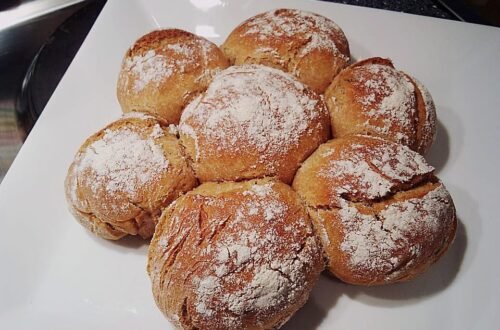
1. Save Stale Bread Instead of Throwing It Away
For generations, wasting food simply wasn’t an option.
Instead of tossing bread that had become slightly dry, earlier generations transformed it into something entirely new.
Stale bread can easily become:
- Homemade breadcrumbs
- Croutons
- Bread pudding
- French toast
- Stuffing
- Meatball binder
- Casserole topping
Making breadcrumbs at home is especially simple.
Cut the bread into cubes, allow it to dry completely if needed, then pulse it in a food processor or grate it by hand. Season with herbs, garlic powder, or Parmesan cheese for extra flavor.
This simple habit reduces food waste while saving money on ingredients many people regularly purchase.
2. White Vinegar: One of the Most Useful Household Helpers
Few pantry staples have earned a reputation quite like white vinegar.
For decades, families have used it to tackle countless everyday cleaning tasks because of its ability to dissolve mineral deposits and help remove certain residues.
It can be useful for:
- Cleaning glass
- Descaling kettles and coffee makers
- Removing mineral buildup from faucets
- Freshening some washable surfaces
- Cleaning certain appliances
- Deodorizing some areas of the home
Always remember that vinegar is not suitable for every material. Natural stone surfaces such as marble or granite can be damaged by acidic cleaners, so it’s important to check manufacturer recommendations before use.
When used appropriately, however, vinegar remains one of the most versatile and affordable cleaning products found in almost every grocery store.
3. Freeze Fresh Herbs Before They Go Bad
Fresh herbs add wonderful flavor to meals, but they often spoil quickly.
Earlier generations hated wasting garden harvests.
One simple solution was preservation.
Today, freezing herbs is still one of the easiest ways to extend their usefulness.
Simply:
- Wash the herbs.
- Dry them thoroughly.
- Chop if desired.
- Place them into ice cube trays.
- Cover with water or olive oil.
- Freeze.
The frozen cubes can later be added directly to soups, sauces, stews, and sautéed vegetables.
It’s an easy way to preserve both flavor and money.
4. Air-Dry Laundry Whenever Possible
Before electric dryers became common, nearly every household relied on sunshine and fresh air.
Clotheslines weren’t simply economical—they were practical.
Air drying offers several benefits:
- Saves electricity
- Helps many fabrics last longer
- Reduces shrinking
- Minimizes wear
- Leaves clothing smelling naturally fresh
Sunlight may also help brighten certain white fabrics over time, although delicate or brightly colored clothing should be protected from prolonged direct sunlight to reduce fading.
Even using a drying rack indoors during part of the year can reduce energy costs while extending the life of favorite garments.
5. Keep Baking Soda Close at Hand
Baking soda has earned its place as one of the most versatile household staples.
Families have used it for generations in both cooking and household care.
Common uses include:
- Absorbing odors in refrigerators
- Freshening trash cans
- Cleaning certain sinks
- Helping scrub cookware
- Freshening some carpets before vacuuming
- Deodorizing shoes
Because baking soda is mildly abrasive, it can help lift grime without scratching many surfaces when used correctly.
As with any cleaner, always test delicate materials first.
6. Repair Instead of Replace
Earlier generations often repaired household items simply because replacing them wasn’t affordable.
Today, this mindset is returning as people become more interested in sustainability and reducing waste.
Simple repairs might include:
- Sewing loose buttons
- Mending small tears
- Tightening furniture screws
- Replacing drawer pulls
- Gluing broken ceramics (where appropriate)
- Refinishing wooden furniture
Learning even a few basic repair skills can save significant money over time while giving treasured belongings many additional years of use.
7. Store Produce the Right Way
Not every fruit and vegetable belongs in the refrigerator.
Traditional home cooks understood this through experience.
For example:
Store on the counter:
- Tomatoes
- Bananas
- Peaches (until ripe)
Store in a cool pantry:
- Potatoes
- Onions
- Garlic
Store in the refrigerator:
- Leafy greens
- Carrots
- Celery
- Berries
Proper storage helps preserve flavor, texture, and freshness while reducing unnecessary food waste.
8. Keep a Small Household “Fix-It” Basket
Many grandparents kept one drawer, tin, or sewing basket filled with useful odds and ends.
Inside you might find:
- Safety pins
- Rubber bands
- Twine
- Spare buttons
- Small nails
- Tape
- Needle and thread
- Scissors
- Measuring tape
- Flashlight batteries
Having these simple supplies organized in one location often saves both time and frustration when small household problems appear unexpectedly.
Why These Traditional Habits Continue to Matter
Although modern technology has made many household tasks easier, convenience isn’t always the same as wisdom.
Many traditional habits remain valuable because they encourage:
- Resourcefulness
- Patience
- Financial responsibility
- Reduced waste
- Practical problem-solving
- Appreciation for everyday objects
These lessons often extend far beyond cleaning or cooking.
They reflect an attitude of caring for what you already have rather than immediately replacing it.
The Value of Passing Knowledge Forward
One of the most meaningful aspects of old-fashioned household wisdom is how it travels through generations.
Many people learned these habits not from books or websites but simply by watching:
- Parents
- Grandparents
- Neighbors
- Older relatives
- Community members
Each shared tip became part of family tradition.
Teaching these practical skills to younger generations helps preserve useful knowledge while encouraging independence and confidence.
Blending Old Wisdom with Modern Living
There is no reason to choose between traditional methods and modern conveniences.
Often the best approach combines both.
For example:
- Use modern appliances while practicing food preservation.
- Use energy-efficient machines while air-drying delicate clothing.
- Purchase quality products while repairing what can still be saved.
- Embrace technology while remembering simple household skills that continue to work.
This balanced approach often provides the greatest convenience while reducing unnecessary expense and waste.
A Few Words of Caution
Although many traditional household tips remain effective, not every vintage remedy is suitable for every situation.
Always:
- Read care labels.
- Follow appliance instructions.
- Test cleaning methods on a small hidden area first.
- Avoid mixing household cleaning chemicals.
- Use products only as intended by the manufacturer.
A little caution helps ensure that helpful traditions remain both effective and safe.
Welcome to my kitchen!
I’m a passionate home cook and recipe creator who loves turning simple ingredients into delicious, comforting meals that everyone can enjoy. Through this website, I share carefully prepared recipes, practical cooking tips, and easy-to-understand food education to help you feel more confident in the kitchen.
My goal is to make cooking simple, enjoyable, and accessible. Whether you are looking for a quick family dinner, a delicious dessert, healthy meal ideas, or traditional recipes with a modern touch, you’ll find inspiration here.
More Than Just Recipes
I believe that cooking is also a way to learn. That’s why this website is not only about recipes. I also create educational articles about ingredients, cooking techniques, kitchen tips, food preparation, and the stories behind different dishes.
Each article is designed to give you useful knowledge that you can apply in your own kitchen. From understanding how ingredients work together to learning better cooking methods, my aim is to help you become a more confident and creative cook.
My Philosophy
Good food doesn’t always require complicated ingredients or professional equipment. With a little knowledge, patience, and creativity, simple ingredients can become something truly special.
I believe in sharing recipes that are practical, clearly explained, and enjoyable to make. I also love exploring new flavors while appreciating traditional cooking and the recipes passed down through generations.
Thank you for visiting my kitchen and being part of this food-loving community. I hope my recipes and articles inspire you to cook, learn, experiment, and most importantly, enjoy every bite!
Happy cooking!