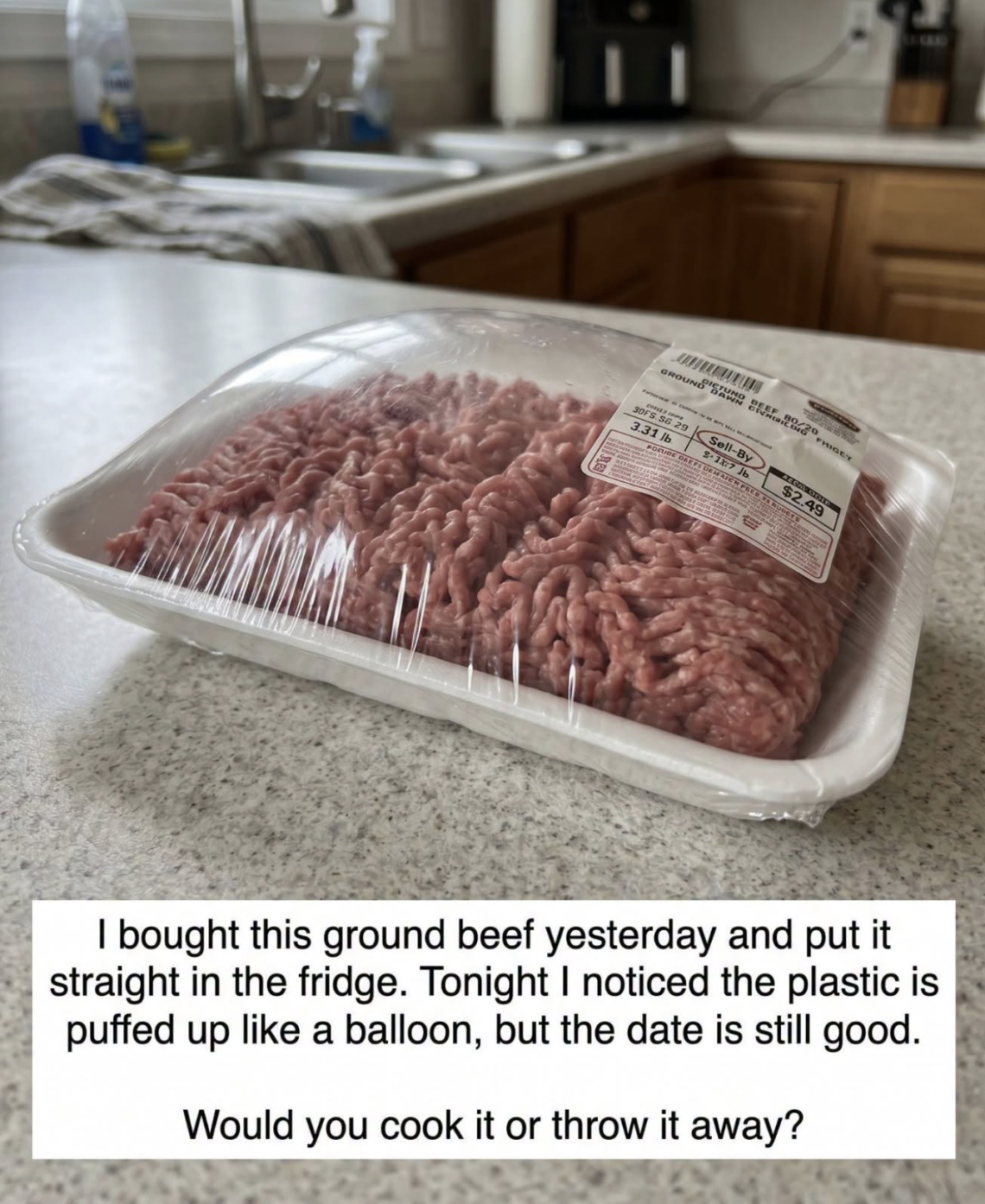
Have you ever reached for a bag of potato chips, coffee, salad, cheese, or another packaged food and noticed that the package seemed unusually puffed up? Perhaps it looked as though it was filled with far more air than product, making you wonder whether the manufacturer was trying to make the package appear larger than it really was. Others may worry that a swollen package is a sign that the food has spoiled or that something has gone wrong during storage.
The truth is that bloated or inflated food packaging can have several different causes. In many situations, the extra air inside a package is completely normal and serves an important purpose. In other cases, however, swelling can indicate spoilage caused by microorganisms producing gas inside the package. Knowing how to distinguish between these situations is an important part of safe food handling and can help you avoid unnecessary waste while also protecting your health.
Understanding why food packaging sometimes appears inflated allows consumers to shop more confidently and make informed decisions about the products they buy and use at home.
Why Food Packaging Contains Air
Many people assume that the empty space inside food packaging is simply there to make the package appear larger. While package design and marketing can influence package size, the air—or more accurately, the gas—inside many food packages often performs essential protective functions.
Manufacturers carefully design food packaging to preserve quality, protect delicate products, extend shelf life, and reduce damage during transportation.
The amount of space inside a package depends on the specific product and the packaging technology being used.
The Protective Cushion in Snack Bags
Potato chips provide one of the best-known examples of intentionally inflated packaging.
Although many people refer to the contents as “air,” the bags are usually filled with nitrogen gas rather than ordinary air.
Nitrogen is an inert gas, meaning it reacts very little with food.
Its primary purposes include:
- Protecting chips from being crushed during shipping.
- Slowing oxidation that can make oils become rancid.
- Helping preserve crispness.
- Extending shelf life.
- Reducing moisture exposure.
Without this protective gas, many chips would arrive broken into small pieces before reaching store shelves.
The bag may appear only partially filled with chips, but much of the remaining space acts as a protective cushion during transportation.
Modified Atmosphere Packaging
Many fresh foods today are packaged using a technology called Modified Atmosphere Packaging (MAP).
Instead of sealing food with ordinary air, manufacturers replace some or all of the oxygen with carefully selected gases such as:
- Nitrogen.
- Carbon dioxide.
- Occasionally small amounts of oxygen, depending on the product.
These gases help slow spoilage, reduce oxidation, preserve color, and extend freshness.
Foods commonly packaged using this method include:
- Fresh salads.
- Pre-cut vegetables.
- Meat.
- Poultry.
- Cheese.
- Fresh pasta.
- Bakery products.
- Coffee.
- Ready-to-eat meals.
For these products, slight package inflation may be completely normal.
When Swollen Packaging Can Be a Warning Sign
Although many inflated packages are harmless, swelling is sometimes caused by gases produced by bacteria, yeasts, or other microorganisms growing inside the food.
As microorganisms multiply, they may release gases that gradually increase pressure inside the package.
Unlike intentionally packaged nitrogen, these gases result from spoilage.
This situation deserves careful attention because spoiled food can sometimes contain harmful bacteria even if the food’s appearance has changed very little.
Foods That Deserve Extra Attention
Package swelling is more concerning with certain types of food, particularly those that normally should remain tightly sealed.
Examples include:
- Fresh meat.
- Poultry.
- Fish.
- Vacuum-packed seafood.
- Refrigerated ready meals.
- Soft cheeses.
- Fresh pasta.
- Refrigerated sauces.
- Deli products.
If these packages become noticeably swollen without explanation, they should be inspected carefully and, when in doubt, discarded.
Canned Foods and Bulging Lids
One of the clearest warning signs involves canned food.
A properly sealed can should have flat ends.
If either end becomes noticeably swollen, bulges outward, or pops when pressed, this may indicate gas production inside the can.
Possible causes include:
- Bacterial growth.
- Loss of the airtight seal.
- Damage during storage.
- Improper processing.
Bulging canned foods should never be tasted to determine whether they are safe.
Even small amounts of contaminated canned food can present serious health risks.
Vacuum-Sealed Foods
Vacuum-sealed products normally have very little air inside the package.
Examples include:
- Vacuum-packed meats.
- Smoked fish.
- Some cheeses.
- Coffee.
- Specialty foods.
If a package that was originally tightly vacuum-sealed later becomes inflated, this may suggest that gases have formed inside after packaging.
While not every swollen vacuum package automatically indicates dangerous spoilage, it should be treated with caution.
Why Temperature Matters
Improper storage temperatures can accelerate spoilage.
When refrigerated foods are left unrefrigerated for extended periods, microorganisms may multiply much more quickly.
This increases the likelihood of gas production inside sealed packages.
Keeping foods at their recommended storage temperatures is one of the simplest and most effective ways to maintain both quality and safety.
Natural Expansion from Heat
Not every swollen package indicates spoilage.
Sometimes packages simply expand because of temperature changes.
For example:
- A snack bag left inside a hot car.
- Food transported to high-altitude locations.
- Packages exposed to direct sunlight.
- Frozen foods partially thawing.
Heat causes gases to expand naturally, making packages appear larger even though the food itself remains perfectly safe.
Similarly, packages taken to high elevations often appear more inflated because atmospheric pressure decreases as altitude increases.
How to Tell the Difference
Several clues help distinguish normal package inflation from potential spoilage.
A package is more likely to be normal if:
- It is a bag of chips or another product intentionally packaged with protective gas.
- The expiration date has not passed.
- The package has no leaks.
- The food looks and smells normal after opening.
Extra caution is warranted if:
- The product is refrigerated meat or seafood.
- The package has become increasingly swollen over time.
- There is an unpleasant odor upon opening.
- Liquids appear cloudy or discolored.
- The packaging leaks.
- Mold is visible.
- The product is past its expiration or use-by date.
Never Judge by Packaging Alone
While package appearance provides useful information, it should never be the only factor considered.
Always evaluate:
- Expiration date.
- Storage conditions.
- Package integrity.
- Smell.
- Appearance.
- Texture.
When several warning signs appear together, discarding the product is usually the safest decision.
Common Myths About Puffy Packages
Several misconceptions continue to circulate.
One myth suggests that every inflated package indicates spoiled food. In reality, many products are intentionally packaged with protective gases to preserve freshness.
Another misconception is that large snack bags are mostly empty because manufacturers are trying to deceive customers. In fact, the extra space often protects fragile foods from breaking during transportation and handling.
Some people also believe they can determine food safety solely by looking at the package. While packaging offers useful clues, proper storage history, smell, appearance, and expiration dates are equally important considerations.
Smart Shopping Tips
When purchasing packaged foods:
- Inspect packages for tears or leaks.
- Check expiration or use-by dates.
- Avoid refrigerated foods with swollen packaging unless the manufacturer specifically states that slight inflation is normal.
- Choose packages that appear clean and undamaged.
- Refrigerate perishable foods promptly after purchase.
These simple habits can reduce the likelihood of bringing home spoiled products.
Kitchen Safety Habits
Good food safety continues after the groceries arrive home.
Store foods according to the manufacturer’s instructions.
Keep refrigerators at the proper temperature.
Avoid leaving perishable foods at room temperature for extended periods.
Use older products before newer ones.
Discard foods that show multiple signs of spoilage rather than taking unnecessary risks.
Frequently Asked Questions
Are chip bags supposed to be full of air?
Yes. Most contain nitrogen gas that protects the chips from crushing and helps maintain freshness.
Does a swollen meat package always mean the meat is spoiled?
Not always, but it deserves careful attention. Swelling accompanied by unpleasant odors, discoloration, or sliminess may indicate spoilage.
Is it safe to taste food from a swollen package?
No. If spoilage is suspected, tasting the food is not recommended.
Can heat alone make packaging expand?
Yes. Warm temperatures and changes in altitude can cause gases inside sealed packages to expand naturally without indicating spoilage.
Welcome to my kitchen!
I’m a passionate home cook and recipe creator who loves turning simple ingredients into delicious, comforting meals that everyone can enjoy. Through this website, I share carefully prepared recipes, practical cooking tips, and easy-to-understand food education to help you feel more confident in the kitchen.
My goal is to make cooking simple, enjoyable, and accessible. Whether you are looking for a quick family dinner, a delicious dessert, healthy meal ideas, or traditional recipes with a modern touch, you’ll find inspiration here.
More Than Just Recipes
I believe that cooking is also a way to learn. That’s why this website is not only about recipes. I also create educational articles about ingredients, cooking techniques, kitchen tips, food preparation, and the stories behind different dishes.
Each article is designed to give you useful knowledge that you can apply in your own kitchen. From understanding how ingredients work together to learning better cooking methods, my aim is to help you become a more confident and creative cook.
My Philosophy
Good food doesn’t always require complicated ingredients or professional equipment. With a little knowledge, patience, and creativity, simple ingredients can become something truly special.
I believe in sharing recipes that are practical, clearly explained, and enjoyable to make. I also love exploring new flavors while appreciating traditional cooking and the recipes passed down through generations.
Thank you for visiting my kitchen and being part of this food-loving community. I hope my recipes and articles inspire you to cook, learn, experiment, and most importantly, enjoy every bite!
Happy cooking!