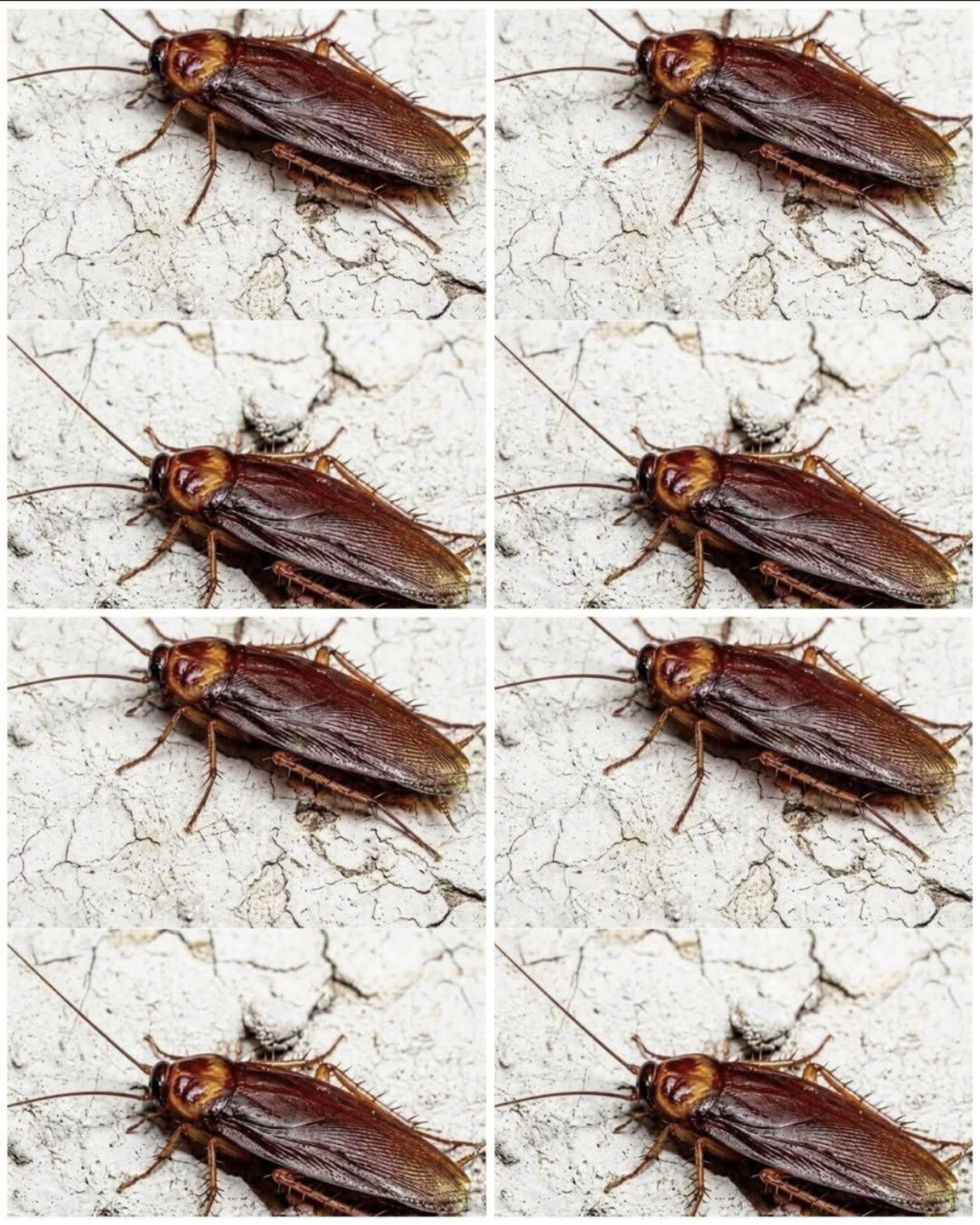
ew household discoveries are as unsettling as spotting a cockroach darting across the kitchen floor or disappearing behind an appliance. Whether it happens late at night when you turn on the lights or during a quiet afternoon in the bathroom or garage, the sight of a cockroach can instantly make you wonder if there is a much bigger problem hiding out of sight.
For many people, seeing even one cockroach raises countless questions. Does it mean the house is dirty? Are there dozens more hiding in the walls? Should you be worried about your family’s health? Is it simply a stray insect that wandered inside, or is it the beginning of an infestation?
Over the years, cockroaches have become surrounded by myths, superstitions, and misconceptions. In some cultures they are considered signs of bad luck, while in others they are believed to symbolize resilience because of their incredible ability to survive in difficult conditions. Although these beliefs are interesting, the reality is much more practical.
Cockroaches do not enter homes because of luck or fate. They are searching for the same basic necessities that every living creature needs:
- Food
- Water
- Shelter
- Warmth
- Safe places to reproduce
In other words, if cockroaches are appearing in your home, they are usually responding to environmental conditions rather than sending a mysterious message.
The good news is that understanding why cockroaches appear is the first step toward preventing them. In many cases, small improvements in cleanliness, moisture control, food storage, and home maintenance can significantly reduce the chances of unwanted visitors.
This guide explains what cockroaches may be telling you about your home, why they appear, the health concerns associated with infestations, and the practical steps homeowners can take to discourage them from settling indoors.
Why Cockroaches Enter Homes
Cockroaches are remarkably adaptable insects.
They have survived on Earth for hundreds of millions of years by taking advantage of environments that provide basic survival needs.
Your home may unintentionally offer exactly what they are looking for.
These insects typically enter homes in search of:
- Food
- Water
- Warm shelter
- Dark hiding places
- Safe breeding locations
Once these needs are available, cockroaches may remain unless the conditions change.
What Seeing One Cockroach Might Mean
Many people assume that seeing a single cockroach automatically means there are hundreds more hidden nearby.
That is not always true.
Sometimes an individual cockroach simply wanders inside through:
- An open door.
- A window.
- Plumbing lines.
- Small cracks around foundations.
- Gaps under exterior doors.
However, if cockroaches are seen repeatedly—especially during daylight—it may suggest a larger population is present.
Cockroaches are primarily nocturnal, meaning they usually hide during the day.
Daytime sightings can sometimes indicate that hiding places have become overcrowded.
Cockroaches Are Often Looking for Water
Moisture is one of the biggest attractions.
Even a very clean home can attract cockroaches if water is easily available.
Common moisture sources include:
- Leaking pipes.
- Dripping faucets.
- Condensation around plumbing.
- Pet water bowls.
- Damp basements.
- Laundry rooms.
- Bathrooms.
- Standing water under sinks.
Repairing leaks often removes one of their most valuable resources.
Food Sources You May Not Notice
Cockroaches are opportunistic feeders.
They do not require large amounts of food to survive.
They may feed on:
- Bread crumbs.
- Grease splatters.
- Pet food.
- Spilled cereal.
- Sugar.
- Fruit.
- Leftover food.
- Cardboard.
- Paper.
- Glue.
- Even tiny food particles hidden beneath appliances.
Regular cleaning greatly reduces these opportunities.
Clutter Creates Perfect Hiding Places
Cockroaches prefer dark, protected spaces.
Clutter provides ideal shelter.
Examples include:
- Cardboard boxes.
- Stacks of newspapers.
- Paper bags.
- Unused storage containers.
- Crowded cabinets.
- Closets.
- Basements.
- Garages.
Reducing clutter makes it harder for cockroaches to establish hiding places.
Warmth Helps Them Thrive
Most household cockroach species prefer warm environments.
They are commonly found near:
- Refrigerators.
- Dishwashers.
- Water heaters.
- Ovens.
- Heating ducts.
- Laundry appliances.
These locations often combine warmth with moisture and food residue.
Do Cockroaches Mean Your Home Is Dirty?
One of the biggest misconceptions is that only dirty homes get cockroaches.
The truth is more nuanced.
Although poor sanitation can certainly increase food availability, cockroaches may also invade:
- Very clean homes.
- New houses.
- Apartments.
- Restaurants.
- Hotels.
- Offices.
- Schools.
- Hospitals.
Any building that provides food, moisture, and shelter may attract them.
Cleanliness remains important, but it is not the only factor.
Health Concerns Associated With Cockroaches
Cockroaches themselves do not necessarily bite people under normal circumstances, but they can create health concerns.
They may contaminate surfaces by traveling through:
- Trash.
- Drains.
- Sewers.
- Damp areas.
- Food preparation spaces.
Their droppings, shed skins, and body fragments may also contribute to allergies in some people.
Individuals with asthma, particularly children, may be more sensitive to cockroach allergens.
Signs of a Possible Infestation
Besides seeing live insects, other clues may include:
- Small dark droppings.
- Egg cases.
- Shed skins.
- Musty odors in severe infestations.
- Dead cockroaches.
- Increased nighttime activity.
Finding multiple signs suggests closer inspection may be worthwhile.
How Cockroaches Enter Your Home
These insects can enter through surprisingly small openings.
Common entry points include:
- Gaps beneath doors.
- Foundation cracks.
- Utility pipe openings.
- Window gaps.
- Roof vents.
- Garage doors.
- Shared apartment walls.
- Grocery bags.
- Cardboard shipping boxes.
- Used appliances.
Even clean homes occasionally receive unwanted visitors through deliveries or secondhand furniture.
The Importance of Prevention
The best approach is making your home less attractive.
Simple habits include:
Keep Food Sealed
Store dry goods in airtight containers.
Clean Crumbs Promptly
Pay attention to:
- Under appliances.
- Pantry shelves.
- Dining areas.
Take Out Trash Regularly
Use tightly fitting lids whenever possible.
Repair Water Leaks
Even slow drips provide valuable moisture.
Seal Cracks
Close gaps around:
- Pipes.
- Baseboards.
- Windows.
- Doors.
Reduce Clutter
Especially cardboard boxes stored for long periods.
Vacuum Frequently
Vacuuming removes crumbs, eggs, and allergens.
What If You Already Have Cockroaches?
If cockroach activity continues despite improved housekeeping, additional measures may be necessary.
These may include:
- Sticky monitoring traps.
- Gel baits used according to label directions.
- Professional pest management.
- Identifying moisture problems.
- Thorough inspection of hidden areas.
Large infestations are often easier to eliminate when addressed early.
Common Myths
Myth: Cockroaches only infest dirty homes.
False.
Even spotless homes can experience cockroach problems.
Myth: Seeing one means there are always hundreds more.
Not necessarily.
One insect may simply have wandered inside.
Repeated sightings are more concerning.
Myth: Cockroaches only live in old buildings.
False.
New homes can also develop infestations if conditions are favorable.
Myth: They disappear on their own.
Usually not.
Without removing food, water, and shelter, populations may continue to grow.
Frequently Asked Questions
Can cockroaches survive without food?
Yes.
Some species can survive for weeks with little food if water is available.
Why do I mostly see them at night?
Most cockroaches are nocturnal and avoid bright light whenever possible.
Do cockroaches fly?
Some species can glide or fly short distances, while others rarely fly despite having wings.
Are cockroaches dangerous?
While they are not generally aggressive toward humans, they can contaminate food and surfaces and may contribute to allergies in susceptible individuals.
Simple Habits That Help Prevent Cockroaches
- Wipe kitchen counters daily.
- Store food in sealed containers.
- Avoid leaving dirty dishes overnight.
- Empty pet food bowls before bedtime if appropriate.
- Repair plumbing leaks promptly.
- Keep recycling clean.
- Reduce cardboard storage.
- Inspect packages before bringing them indoors.
- Vacuum regularly.
- Keep outdoor garbage containers away from entrances when possible.

Welcome to my kitchen!
I’m a passionate home cook and recipe creator who loves turning simple ingredients into delicious, comforting meals that everyone can enjoy. Through this website, I share carefully prepared recipes, practical cooking tips, and easy-to-understand food education to help you feel more confident in the kitchen.
My goal is to make cooking simple, enjoyable, and accessible. Whether you are looking for a quick family dinner, a delicious dessert, healthy meal ideas, or traditional recipes with a modern touch, you’ll find inspiration here.
More Than Just Recipes
I believe that cooking is also a way to learn. That’s why this website is not only about recipes. I also create educational articles about ingredients, cooking techniques, kitchen tips, food preparation, and the stories behind different dishes.
Each article is designed to give you useful knowledge that you can apply in your own kitchen. From understanding how ingredients work together to learning better cooking methods, my aim is to help you become a more confident and creative cook.
My Philosophy
Good food doesn’t always require complicated ingredients or professional equipment. With a little knowledge, patience, and creativity, simple ingredients can become something truly special.
I believe in sharing recipes that are practical, clearly explained, and enjoyable to make. I also love exploring new flavors while appreciating traditional cooking and the recipes passed down through generations.
Thank you for visiting my kitchen and being part of this food-loving community. I hope my recipes and articles inspire you to cook, learn, experiment, and most importantly, enjoy every bite!
Happy cooking!