The Viral 3-Ingredient Cake That Feels Too Easy to Be Real
The “Are You Kidding Me?” Cake is one of those recipes that spreads fast because it challenges what people expect from baking. When you hear “cake,” you think of measuring, mixing, multiple bowls, frosting, baking science, and cleanup.
This one breaks all of that.
It’s built on a simple idea:
take a boxed cake mix, add one wet ingredient that does the job of eggs, oil, and liquid all at once, then bake.
The result is a cake that’s shockingly soft, moist, and fluffy—despite how little effort goes into it.
It’s called “Are You Kidding Me?” because that’s the most common reaction after tasting it.
What Makes This Cake So Interesting
This cake works because it replaces traditional baking complexity with smart shortcuts:
Traditional cake requires:
- flour
- sugar
- baking powder
- eggs
- oil or butter
- milk or water
- mixing techniques to trap air
This version simplifies everything into:
- pre-made cake mix (already balanced and measured)
- a liquid or semi-liquid ingredient (soda, yogurt, or fruit puree)
- sometimes eggs (optional depending on texture desired)
So instead of building structure from scratch, you’re activating a pre-built mix.
The Science Behind the “Magic”
Even though it feels like a hack, there’s real baking logic behind it.
1. Cake mix is already engineered
Boxed cake mix contains:
- flour
- sugar
- leavening agents
- emulsifiers
It is designed to rise easily and stay soft.
2. Carbonation (if using soda) adds lift
When soda is used:
- CO₂ bubbles expand in heat
- the batter becomes airy
- the cake rises without heavy mixing
This mimics what whisking and baking powder usually do.
3. Moist ingredients replace fat and eggs
Ingredients like:
- soda
- yogurt
- applesauce
- fruit puree
help:
- bind the cake
- add moisture
- keep crumb soft
4. Minimal mixing = softer cake
Less mixing means:
- less gluten formation
- lighter texture
- more tender bite
Full Recipe (Expanded Version)
Ingredients
Base version:
- 1 box cake mix (any flavor)
- 1 can (330 ml) soda OR 1 cup yogurt/fruit puree
- 2 eggs (optional but recommended for structure)
Optional enhancements:
- 2–3 tablespoons oil (extra moisture)
- pinch of salt (enhances flavor)
- vanilla extract (if using neutral soda)
Step 1: Choose Your Flavor Base
The cake flavor changes completely depending on your mix:
- chocolate cake mix → rich dessert cake
- vanilla cake mix → versatile base
- lemon cake mix → light, citrus dessert
- strawberry mix → fruity and sweet
This is why the recipe is flexible—you’re not building flavor, just enhancing it.
Step 2: Mix the Batter (Correct Method Matters)
In a large bowl:
- Pour cake mix
- Add your wet ingredient (soda/yogurt/etc.)
- Add eggs if using
Then mix gently.
Important:
Stop as soon as ingredients combine.
You want:
- smooth batter
- slight lumps acceptable
- no overmixing
Overmixing makes the cake dense instead of fluffy.
Step 3: Prepare Baking Pan Properly
Grease or line your pan:
- butter or oil for coating
- parchment paper for easy removal
Pan types:
- round cake pan → layered cake
- loaf pan → banana-bread style cake
- sheet pan → thin snack cake or bars
- cupcakes → individual portions
Step 4: Baking Process (Where Texture Is Created)
Bake at:
- 175°C (350°F)
Time varies:
- cupcakes: 15–20 min
- round pan: 25–35 min
- loaf pan: 40–50 min
What happens inside the oven:
- heat activates baking powder in mix
- carbonation expands (if soda used)
- proteins set into structure
- sugars caramelize slightly at edges
- moisture gets trapped inside crumb
This creates a soft, sponge-like texture.
Step 5: Cooling (Very Important Step)
Let cake cool for at least:
- 15–20 minutes in pan
- then fully on rack
Why this matters:
- prevents collapsing
- improves structure
- locks in moisture
Cutting too early can make it fall apart.
Texture Breakdown
A properly made version should be:
Inside:
- soft and airy
- moist but not wet
- slightly springy
Outside:
- lightly golden
- slightly crisp edges (if baked in metal pan)
Bite:
- melts easily
- no heaviness
- consistent crumb
Flavor Logic (Why It Still Tastes Good)
Even though it’s simple, the flavor works because:
- cake mix already contains balanced sweetness
- soda or yogurt adds acidity or sweetness balance
- eggs (if used) give richness
- oven caramelizes sugars slightly
So the final taste feels like a full dessert, not a shortcut.
Serving Ideas (Where It Becomes Special)
Even though it starts simple, it can be upgraded easily:
Basic:
- powdered sugar dusting
Rich dessert:
- whipped cream + berries
- chocolate ganache drizzle
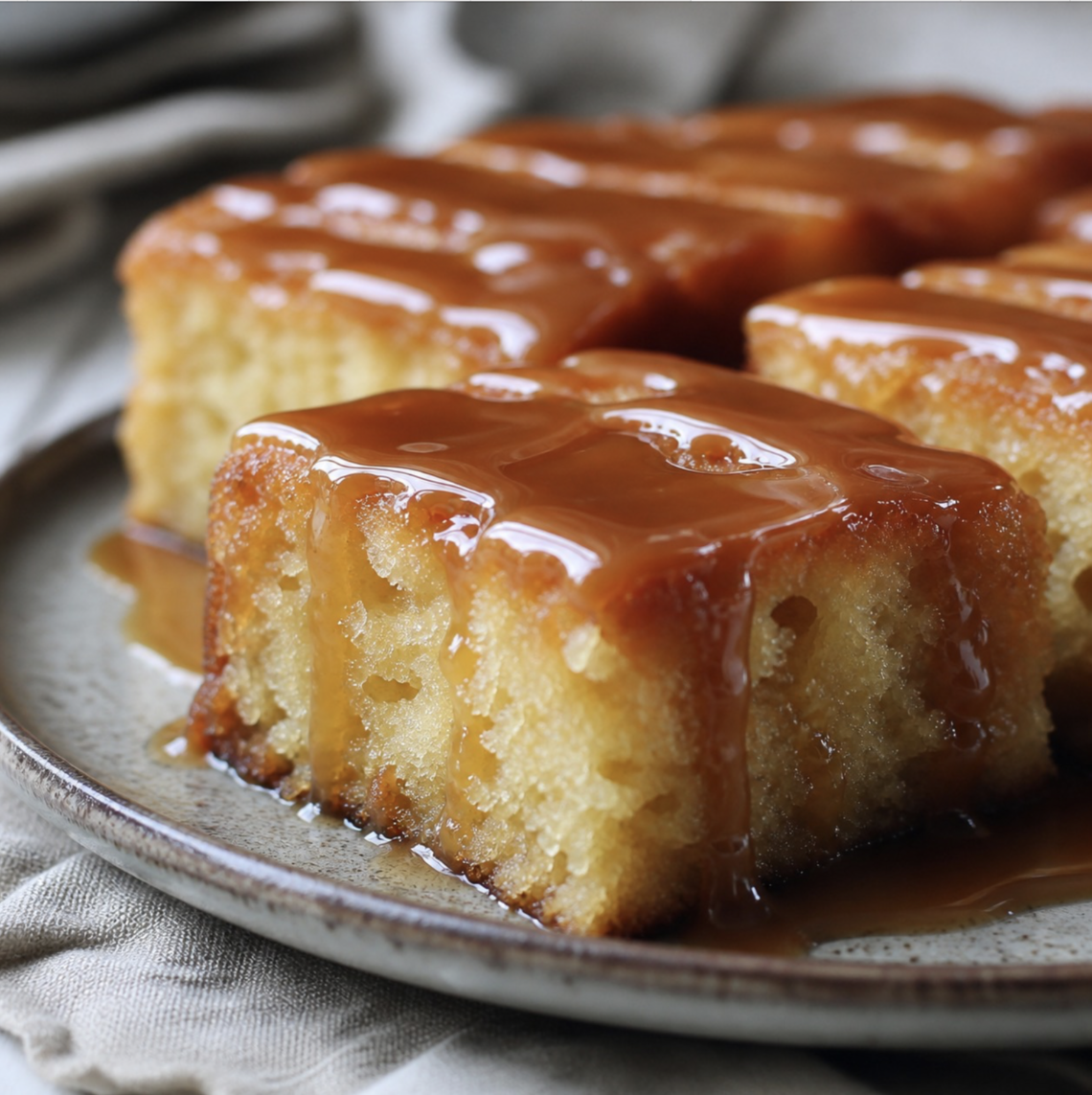
- caramel sauce
Ice cream pairing:
- vanilla ice cream on warm slice
- chocolate ice cream for contrast
Party style:
- cut into squares
- layered with frosting
- turned into mini cupcakes
Popular Variations Explained
1. Soda Cake Version (Classic Viral Style)
- uses fizzy drink instead of milk/oil
- creates very light texture
2. Yogurt Cake Version
- richer, denser crumb
- slightly tangy taste
- more “homemade bakery” feel
3. Fruit Puree Version
- banana, apple, or strawberry puree
- natural sweetness
- moist and dense texture
4. Chocolate Fudge Upgrade
- add cocoa powder or chocolate chips
- results in richer dessert cake
Common Mistakes (Important)
1. Overmixing
Makes cake dense and rubbery.
2. Using flat soda
If carbonation is gone, lift is reduced.
3. Overbaking
Dries out the simple batter quickly.
4. Wrong pan size
Too small = overflow
Too large = thin, dry cake
Why People Love This Cake So Much
This recipe is popular because it delivers:
- instant baking success
- almost no cleanup
- predictable results
- endless customization
- soft, comforting texture
It removes the fear of baking entirely.
Welcome to my kitchen!
I’m a passionate home cook and recipe creator who loves turning simple ingredients into delicious, comforting meals that everyone can enjoy. Through this website, I share carefully prepared recipes, practical cooking tips, and easy-to-understand food education to help you feel more confident in the kitchen.
My goal is to make cooking simple, enjoyable, and accessible. Whether you are looking for a quick family dinner, a delicious dessert, healthy meal ideas, or traditional recipes with a modern touch, you’ll find inspiration here.
More Than Just Recipes
I believe that cooking is also a way to learn. That’s why this website is not only about recipes. I also create educational articles about ingredients, cooking techniques, kitchen tips, food preparation, and the stories behind different dishes.
Each article is designed to give you useful knowledge that you can apply in your own kitchen. From understanding how ingredients work together to learning better cooking methods, my aim is to help you become a more confident and creative cook.
My Philosophy
Good food doesn’t always require complicated ingredients or professional equipment. With a little knowledge, patience, and creativity, simple ingredients can become something truly special.
I believe in sharing recipes that are practical, clearly explained, and enjoyable to make. I also love exploring new flavors while appreciating traditional cooking and the recipes passed down through generations.
Thank you for visiting my kitchen and being part of this food-loving community. I hope my recipes and articles inspire you to cook, learn, experiment, and most importantly, enjoy every bite!
Happy cooking!