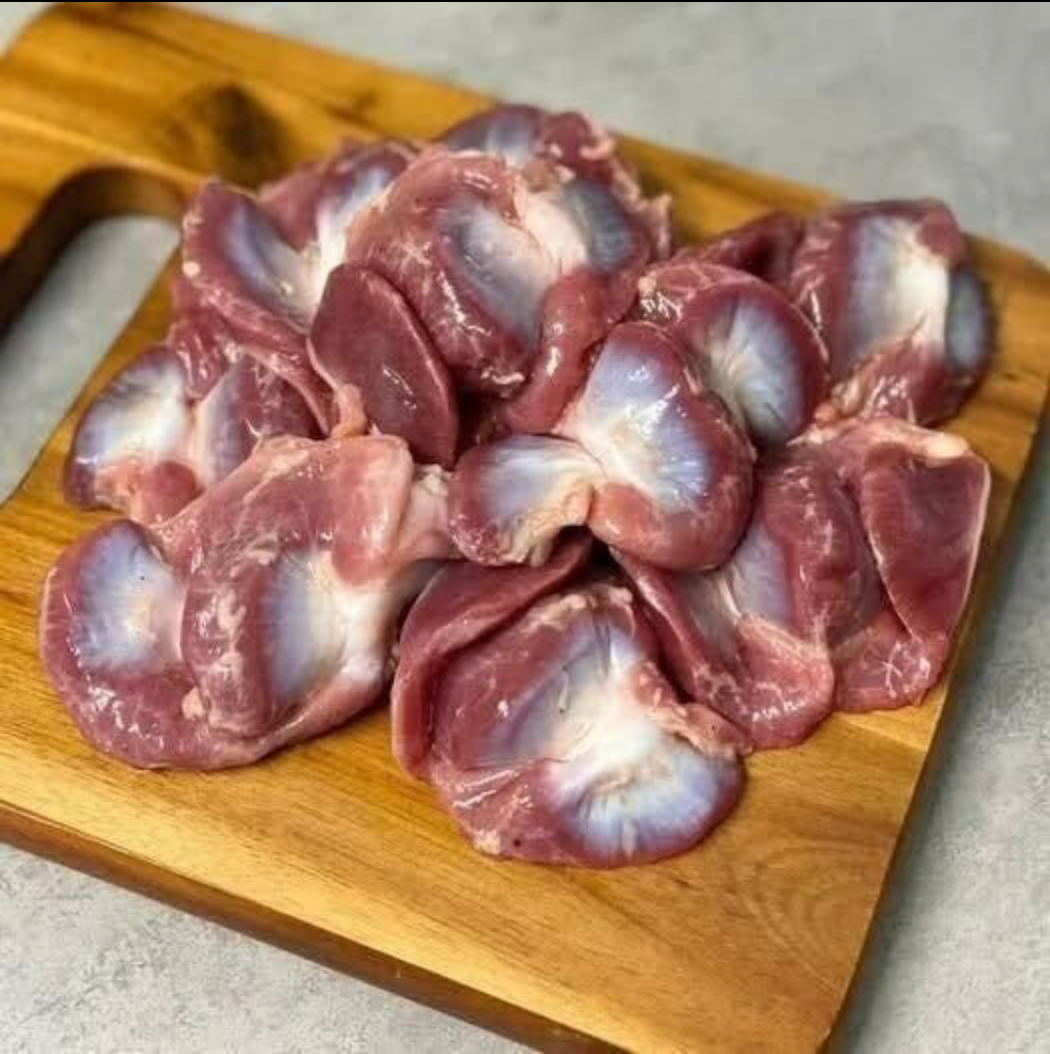
Chicken gizzards may not be the first food that comes to mind when people think about healthy eating, but for generations they were considered an important, practical, and highly nutritious part of traditional cooking. Long before modern trends focused on protein powders, expensive supplements, and specialty diets, many families relied on inexpensive nutrient-rich foods like organ meats to provide nourishment, flavor, and satiety.
Today, chicken gizzards are slowly making a comeback among:
- Budget-conscious cooks
- High-protein diet followers
- Traditional food enthusiasts
- Athletes looking for affordable protein
- People interested in reducing food waste
Some call them an overlooked nutritional powerhouse. Others avoid them entirely because of their unusual texture or unfamiliar appearance. Yet despite their reputation as a “forgotten” ingredient, chicken gizzards contain impressive amounts of:
- Protein
- Iron
- Zinc
- Vitamin B12
- Selenium
- Other important nutrients
They are also remarkably affordable compared to many modern protein sources.
Still, questions remain:
- Are chicken gizzards actually healthy?
- How nutritious are they really?
- Are there any downsides?
- Why do some people consider them a superfood?
The answer lies in understanding what gizzards are, how they function biologically, and how they fit into a balanced diet.
What Exactly Is a Chicken Gizzard?
A gizzard is a muscular part of a chicken’s digestive system.
Unlike humans, chickens do not have teeth. Instead of chewing food, birds rely on specialized digestive organs to break down tough materials.
The gizzard acts almost like a natural grinder.
It contracts powerfully to help crush and process food before digestion continues.
Because it performs heavy muscular work, the gizzard becomes:
- Dense
- Lean
- Extremely muscular
This is one reason it contains so much protein.
Why Gizzards Are Considered Organ Meat
Chicken gizzards belong to a category often called:
- Organ meats
- Offal
This group also includes:
- Liver
- Heart
- Kidneys
- Tongue
Historically, many cultures valued organ meats because they were:
- Nutrient-dense
- Affordable
- Widely available
In many traditional cuisines, wasting edible animal parts was considered impractical.
The Nutritional Reputation of Gizzards
Chicken gizzards are often praised because they provide:
- High protein
- Relatively low fat
- Important vitamins and minerals
- Strong satiety for relatively few calories
This combination makes them attractive for people seeking affordable nutrition.
Protein Content: One of the Biggest Advantages
One of the main reasons health-conscious people appreciate gizzards is their protein density.
Protein is essential for:
- Muscle maintenance
- Tissue repair
- Immune function
- Hormone production
- Feeling full after meals
Chicken gizzards are especially rich in protein while remaining relatively low in calories compared to many processed foods.
Why Protein Matters So Much
Protein plays a critical role throughout the body.
It helps:
- Build muscle tissue
- Support recovery after exercise
- Maintain skin and hair
- Produce enzymes and hormones
High-protein foods also tend to increase satiety, helping people feel full longer.
Lean but Filling
Because gizzards are muscular tissue, they are naturally:
- Dense
- Chewy
- Filling
This texture often slows eating and increases satisfaction during meals.
Iron Content and Energy Support
Chicken gizzards contain iron, an essential mineral involved in:
- Oxygen transport
- Red blood cell production
- Energy metabolism
Iron deficiency can contribute to:
- Fatigue
- Weakness
- Low energy
Animal-based iron, called heme iron, is generally absorbed more efficiently than many plant-based iron sources.
Vitamin B12: A Key Nutrient
Gizzards also contain vitamin B12, which supports:
- Nerve function
- Brain health
- Red blood cell formation
Vitamin B12 is naturally found mainly in animal foods.
People who consume very little animal protein sometimes struggle to get enough B12 without fortified foods or supplements.
Zinc and Immune Function
Another important nutrient found in chicken gizzards is zinc.
Zinc contributes to:
- Immune system function
- Wound healing
- Cellular repair
- Enzyme activity
The body needs zinc regularly because it is involved in many biological processes.
Selenium and Antioxidant Support
Chicken gizzards also provide selenium, a trace mineral involved in:
- Antioxidant defense systems
- Thyroid function
- Cellular protection
Although needed only in small amounts, selenium plays an important role in health.
Why Some People Call Them a “Superfood”
The term “superfood” is often used loosely in modern nutrition marketing. There is no official scientific definition.
However, foods are often labeled superfoods when they provide:
- High nutrient density
- Significant vitamins or minerals
- Strong nutritional value relative to calories
Chicken gizzards fit many of these qualities because they are:
- Protein-rich
- Mineral-rich
- Relatively inexpensive
- Nutrient-dense
Budget-Friendly Nutrition
One reason gizzards remain popular in many parts of the world is affordability.
Compared to:
- Steak
- Seafood
- Specialty protein products
gizzards are often extremely economical.
This makes them valuable for families trying to maximize nutrition on a budget.
Traditional Cooking Around the World
Chicken gizzards appear in cuisines globally.
They are used in:
- Soups
- Stews
- Fried dishes
- Grilled skewers
- Rice meals
- Street food
Different cultures prepare them in unique ways depending on local flavors and cooking traditions.
Why Texture Divides People
One reason gizzards are less common in modern Western diets is texture.
They are:
- Firm
- Chewy
- Dense
Some people enjoy this texture, while others find it unusual.
Cooking method matters greatly.
How Cooking Affects Texture
Proper cooking can make gizzards:
- Tender
- Flavorful
- Pleasantly meaty
Common methods include:
- Slow simmering
- Pressure cooking
- Braising
- Frying after tenderizing
Undercooked gizzards may feel overly tough.
Flavor Profile
Chicken gizzards have a rich savory flavor often described as:
- Meaty
- Deep
- Slightly earthy
They absorb marinades and seasonings well.
Are There Any Downsides?
Although nutritious, chicken gizzards are not perfect for every dietary situation.
Cholesterol Content
Like many animal products, gizzards contain cholesterol.
For most healthy people, moderate dietary cholesterol is not necessarily dangerous, but individuals with certain medical conditions may need personalized dietary guidance.
Sodium Concerns
Prepared versions, especially heavily seasoned or fried restaurant dishes, may contain large amounts of sodium.
Excess sodium intake may contribute to:
- High blood pressure concerns
- Water retention
Frying vs Healthier Cooking Methods
Deep-fried gizzards can become:
- High in calories
- Heavy in saturated fat
Preparation method strongly affects nutritional value.
Healthier approaches include:
- Boiling
- Grilling
- Stewing
- Air frying
Food Safety Considerations
Like other poultry products, gizzards should be cooked thoroughly to reduce risk of harmful bacteria.
Safe preparation and storage are important.
Why Modern Diets Drifted Away From Organ Meats
In many industrialized countries, organ meats became less popular as:
- Muscle meats became cheaper
- Processed foods increased
- Consumer preferences changed
Some people associated organ meats with poverty or older generations.
However, interest has recently returned because of growing awareness around:
- Nutrient density
- Sustainability
- Traditional eating patterns
Sustainability and Reducing Food Waste
Using more parts of the animal can reduce food waste.
Many advocates of sustainable eating encourage consuming:
- Organ meats
- Less popular cuts
- Whole-animal cooking traditions
This approach respects food resources more fully.
Gizzards in Fitness and High-Protein Diets
Athletes and fitness enthusiasts sometimes appreciate gizzards because they offer:
- High protein
- Lower cost
- Strong satiety
Compared to expensive protein snacks or supplements, gizzards can be an economical alternative.
Why Satiety Matters
Foods high in protein often help reduce hunger because they digest more slowly and support fullness.
This can help people:
- Feel satisfied longer
- Avoid constant snacking
Common Ways to Prepare Chicken Gizzards
Popular cooking methods include:
- Slow-cooked gizzard stew
- Fried gizzards
- Grilled skewers
- Rice dishes
- Southern-style seasoned gizzards
Long cooking times often improve tenderness.
Cultural Appreciation
In many cultures, organ meats are not considered strange at all.
Instead, they are viewed as:
- Flavorful delicacies
- Comfort food
- Traditional staples
Food preferences are heavily shaped by cultural familiarity.
Are Gizzards Better Than Chicken Breast?
Not necessarily better, but different.
Chicken breast provides:
- Lean protein
- Mild flavor
- Familiar texture
Gizzards provide:
- More minerals
- Different texture
- Richer flavor
- Organ-meat nutrient profile
Both can fit healthy diets.
Moderation and Balance
Even nutritious foods should be consumed as part of balanced eating patterns.
Variety remains important for overall nutrition.

Welcome to my kitchen!
I’m a passionate home cook and recipe creator who loves turning simple ingredients into delicious, comforting meals that everyone can enjoy. Through this website, I share carefully prepared recipes, practical cooking tips, and easy-to-understand food education to help you feel more confident in the kitchen.
My goal is to make cooking simple, enjoyable, and accessible. Whether you are looking for a quick family dinner, a delicious dessert, healthy meal ideas, or traditional recipes with a modern touch, you’ll find inspiration here.
More Than Just Recipes
I believe that cooking is also a way to learn. That’s why this website is not only about recipes. I also create educational articles about ingredients, cooking techniques, kitchen tips, food preparation, and the stories behind different dishes.
Each article is designed to give you useful knowledge that you can apply in your own kitchen. From understanding how ingredients work together to learning better cooking methods, my aim is to help you become a more confident and creative cook.
My Philosophy
Good food doesn’t always require complicated ingredients or professional equipment. With a little knowledge, patience, and creativity, simple ingredients can become something truly special.
I believe in sharing recipes that are practical, clearly explained, and enjoyable to make. I also love exploring new flavors while appreciating traditional cooking and the recipes passed down through generations.
Thank you for visiting my kitchen and being part of this food-loving community. I hope my recipes and articles inspire you to cook, learn, experiment, and most importantly, enjoy every bite!
Happy cooking!