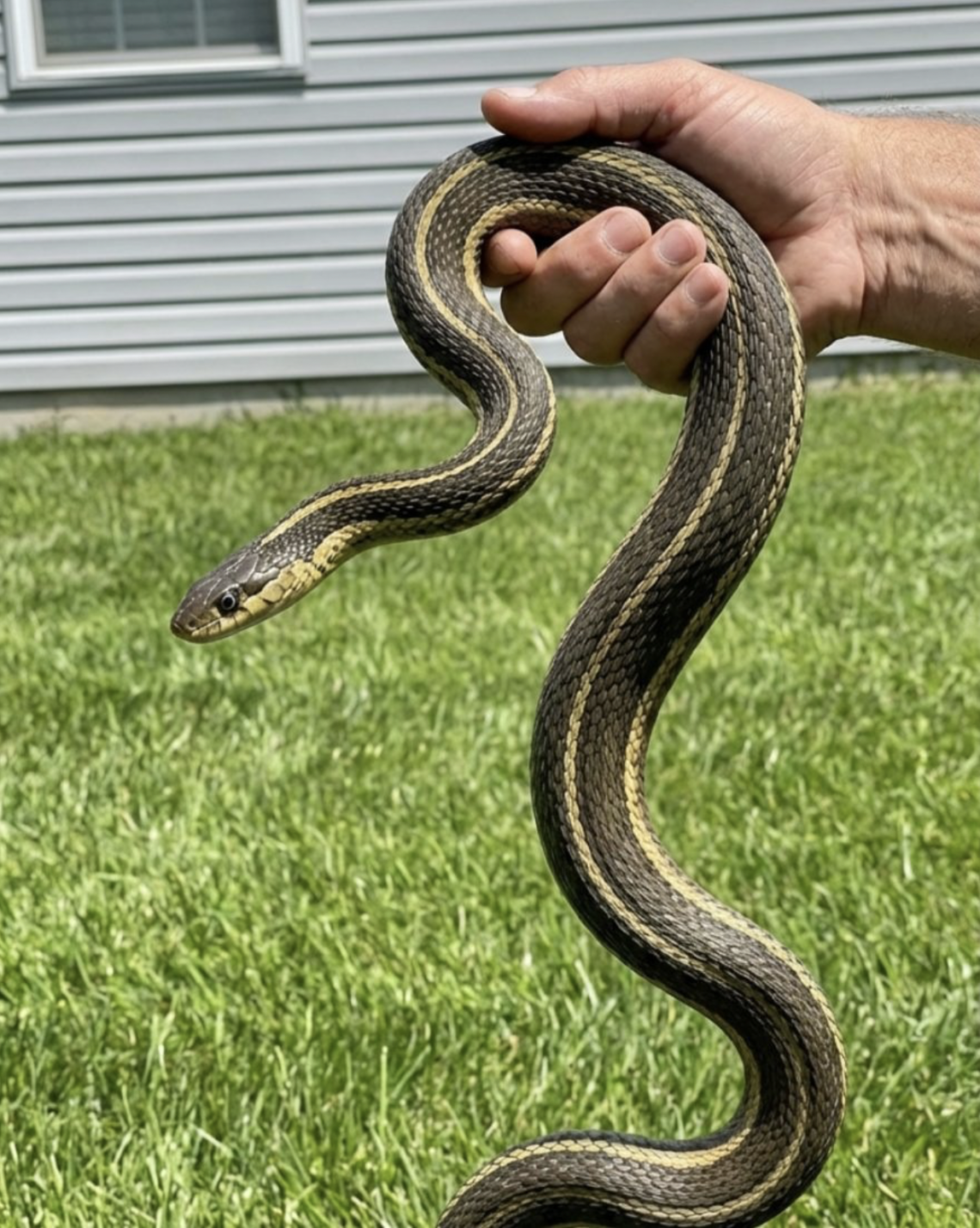
Understanding Why Snakes Visit Residential Areas and How to Discourage Them Safely and Effectively
For many people, few backyard surprises are more unsettling than spotting a snake near the house, garden, garage, or patio. Even though most snakes are harmless and play an important role in the ecosystem, their sudden appearance can trigger fear, anxiety, and concern—especially for families with children or pets.
Snakes are often misunderstood creatures. Movies, myths, and frightening internet stories have contributed to the belief that all snakes are aggressive or dangerous, but the reality is far more complex. In truth, most snakes:
- Avoid humans whenever possible
- Prefer hiding rather than attacking
- Help control rodents and pests
- Only become defensive when threatened or cornered
Still, even harmless snakes are not welcome visitors for many homeowners. People naturally want to feel safe and comfortable in their outdoor spaces, and finding a snake curled under a flowerpot or slithering through the grass can quickly ruin that sense of comfort.
The good news is that snakes rarely appear randomly. Like all animals, they are usually attracted by specific environmental conditions such as:
- Shelter
- Food sources
- Water
- Cool hiding spots
- Overgrown vegetation
That means one of the most effective ways to reduce snake activity is to make your yard less attractive to them in the first place.
Importantly, humane prevention is usually more effective than panic-driven attempts to kill or trap snakes. Many snake species are beneficial to local ecosystems, and some are protected by wildlife laws depending on the region. The safest approach is typically focused on:
- Prevention
- Habitat management
- Reducing attractants
- Encouraging snakes to move elsewhere naturally
Here are eight detailed and practical ways to help keep snakes away from your yard while maintaining a safer and cleaner outdoor environment.
1. Keep Grass and Vegetation Trimmed
One of the simplest and most effective ways to discourage snakes is to maintain a tidy yard.
Snakes prefer areas where they can:
- Hide easily
- Move unseen
- Stay protected from predators and heat
Tall grass and dense vegetation create ideal conditions for this.
Why Overgrown Areas Attract Snakes
Long grass provides:
- Shade
- Moisture retention
- Camouflage
- Protection from predators
Snakes often avoid open exposed areas because they feel vulnerable there.
Overgrown vegetation also attracts:
- Insects
- Rodents
- Frogs
which may serve as prey for snakes.
Lawn Maintenance Tips
To reduce hiding opportunities:
- Mow grass regularly
- Trim weeds
- Prune dense shrubs
- Remove excessive ground cover near the home
Pay special attention to:
- Fence lines
- Garden edges
- Around sheds and garages
These quiet undisturbed zones are especially attractive to snakes.
2. Eliminate Rodents and Food Sources
Where rodents go, snakes often follow.
Many snakes are drawn primarily by access to food rather than the yard itself.
Why Rodents Matter
Common snake prey includes:
- Mice
- Rats
- Small birds
- Frogs
- Lizards
If your property supports rodent activity, snakes may view it as a hunting ground.
How to Reduce Rodent Attraction
Helpful steps include:
- Secure trash bins tightly
- Avoid leaving pet food outdoors
- Clean fallen birdseed regularly
- Seal food storage areas
- Remove clutter where rodents hide
Reducing prey availability often reduces snake visits significantly.
3. Remove Yard Clutter and Hiding Spots
Snakes love hidden, protected spaces.
Common backyard hiding places include:
- Wood piles
- Rock piles
- Sheet metal
- Old equipment
- Unused flowerpots
- Construction debris
These provide:
- Shade
- Moisture
- Predator protection
Why Clutter Is Attractive
Snakes prefer areas where they can rest safely without disturbance.
A quiet pile of wood or debris creates an ideal shelter.
What to Remove or Organize
To discourage snakes:
- Elevate firewood off the ground
- Remove unused junk piles
- Organize storage areas
- Limit dense debris accumulation
The cleaner and more open the yard becomes, the less appealing it is for hidden wildlife.
4. Seal Gaps Around Your Home
Snakes occasionally enter garages, sheds, crawl spaces, or even homes while searching for:
- Shelter
- Cool temperatures
- Food
Preventing entry is extremely important.
Common Entry Points
Check for:
- Cracks in foundations
- Gaps under doors
- Open vents
- Broken screens
- Pipe openings
Even surprisingly small gaps can allow entry for smaller snakes.
Prevention Measures
Use:
- Weather stripping
- Mesh screening
- Caulk
- Door sweeps
to seal vulnerable openings.
This also helps reduce rodents and insects.
5. Reduce Standing Water and Moisture
Water sources attract many forms of wildlife, including animals snakes may prey upon.
Some snake species also prefer damp environments directly.
Common Moisture Sources
Potential attractants include:
- Leaking hoses
- Birdbaths
- Poor drainage
- Standing puddles
- Overwatered gardens
Moist areas also attract frogs and insects.
Moisture Control Tips
To reduce snake-friendly conditions:
- Repair leaks promptly
- Improve drainage
- Empty standing water
- Avoid excessive irrigation
A drier yard is generally less attractive to many snake species.
6. Use Snake-Resistant Landscaping
Certain landscaping choices can help make yards less comfortable for snakes.
Open Visibility Matters
Snakes prefer areas with:
- Dense coverage
- Cool shelter
- Easy concealment
Landscapes with:
- Open sight lines
- Limited hiding spaces
- Well-maintained borders
tend to discourage them.
Helpful Landscaping Strategies
Consider:
- Gravel borders near foundations
- Reduced dense ground cover
- Well-spaced plants
- Clean garden edges
Some homeowners believe strong-smelling plants repel snakes, though scientific evidence is mixed.
About Snake Repellents
Many commercial snake repellents claim to work using:
- Sulfur
- Essential oils
- Strong odors
Results vary greatly, and evidence for effectiveness is inconsistent.
Habitat control is usually far more reliable than repellents alone.
7. Keep Bird Feeders Managed Carefully
Bird feeders may unintentionally attract snakes indirectly.
Why Bird Feeders Can Become Snake Magnets
Birdseed often falls to the ground, attracting:
- Mice
- Rats
- Squirrels
These animals may attract snakes searching for prey.
Better Bird Feeder Practices
To reduce risk:
- Clean spilled seed regularly
- Use rodent-resistant feeders
- Place feeders away from the house
- Avoid excessive seed buildup
The goal is reducing secondary pest attraction.
8. Stay Calm and Call Professionals if Necessary
If you do encounter a snake:
- Do not panic
- Do not attempt risky handling
- Keep pets and children away
Most snakes prefer escaping rather than confronting humans.
Why Trying to Kill Snakes Can Be Dangerous
Many snake bites occur when people attempt:
- To capture
- Corner
- Kill
the snake.
A frightened snake is more likely to act defensively.
When to Contact Wildlife Experts
Professional wildlife services may help if:
- Snakes repeatedly enter structures
- You suspect venomous species
- The snake cannot safely leave
Experts can often relocate snakes safely.
Understanding Snake Behavior
Snakes are generally not aggressive hunters of humans.
Most defensive behavior happens when they:
- Feel trapped
- Are stepped on accidentally
- Perceive immediate danger
Understanding this reduces unnecessary fear.
Why Snakes Are Ecologically Important
Although many people dislike snakes, they help ecosystems by controlling:
- Rodents
- Pest populations
- Certain insects and small animals
Removing every snake from an environment is neither practical nor environmentally beneficial.
The Difference Between Venomous and Nonvenomous Snakes
Most snakes encountered in residential areas are harmless.
However, species vary greatly by region.
Learning local snake species can help homeowners:
- React appropriately
- Reduce unnecessary panic
- Understand actual risks
Why Fear of Snakes Is So Common
Humans are naturally sensitive to snake-like shapes and movements.
Researchers believe this may be partly evolutionary because early humans benefited from quickly recognizing potential threats in nature.
This instinctive reaction still affects people today.
Pets and Snake Safety
Pets, especially curious dogs, may approach snakes aggressively.
Reducing hiding spots helps protect pets from accidental encounters.
Pet owners should:
- Supervise animals outdoors
- Avoid dense overgrowth
- Train recall commands when possible
Seasonal Snake Activity
Snake sightings often increase during:
- Warm weather
- Spring
- Early summer
because snakes become more active in higher temperatures.
Understanding seasonal patterns can help homeowners stay prepared.
Myths About Snake Prevention
Many traditional snake-repelling myths lack scientific support.
Examples include:
- Mothballs
- Certain powders
- Ultrasonic devices
Habitat management remains the most reliable prevention method.
The Goal Is Discouragement, Not Elimination
Completely eliminating snakes from an outdoor environment is unrealistic in many areas.
The better goal is:
- Making the yard less attractive
- Reducing encounters
- Improving safety
This balanced approach is usually most effective long-term.

Welcome to my kitchen!
I’m a passionate home cook and recipe creator who loves turning simple ingredients into delicious, comforting meals that everyone can enjoy. Through this website, I share carefully prepared recipes, practical cooking tips, and easy-to-understand food education to help you feel more confident in the kitchen.
My goal is to make cooking simple, enjoyable, and accessible. Whether you are looking for a quick family dinner, a delicious dessert, healthy meal ideas, or traditional recipes with a modern touch, you’ll find inspiration here.
More Than Just Recipes
I believe that cooking is also a way to learn. That’s why this website is not only about recipes. I also create educational articles about ingredients, cooking techniques, kitchen tips, food preparation, and the stories behind different dishes.
Each article is designed to give you useful knowledge that you can apply in your own kitchen. From understanding how ingredients work together to learning better cooking methods, my aim is to help you become a more confident and creative cook.
My Philosophy
Good food doesn’t always require complicated ingredients or professional equipment. With a little knowledge, patience, and creativity, simple ingredients can become something truly special.
I believe in sharing recipes that are practical, clearly explained, and enjoyable to make. I also love exploring new flavors while appreciating traditional cooking and the recipes passed down through generations.
Thank you for visiting my kitchen and being part of this food-loving community. I hope my recipes and articles inspire you to cook, learn, experiment, and most importantly, enjoy every bite!
Happy cooking!